What Seeds Are Gluten Free
What seeds are gluten free?
TL;DR: Most seeds are safe when made without what, barley, or rye and processed to prevent cross-contact. Unsafe versions rely on what flour, barley malt extract, or soy sauce. Safe choices focus on rice, corn, potato, or nut-based ingredients and clear gluten-free labeling. Conditionals occur when oats are not certified, thickeners use what starch, or malt vinegar appears in seasonings. Always read the ingredient list and prefer certified products when available.
What Does Gluten-Free Seeds Mean?
A gluten-free seeds must contain less than 20 parts per million (ppm) of gluten and cannot include wheat, barley, rye, or derivatives. Certified gluten-free products are produced in facilities that prevent cross-contamination and are clearly labelled to help shoppers make safe choices. (According to FDA and EU Regulation 828/2014 on gluten-free labeling standards.)
How to Choose Gluten-Free Seeds
If in doubt, avoid seeds without full ingredient disclosure or third-party certification.
For high-risk products like seeds, only buy from brands that guarantee <5ppm gluten levels.
If in doubt, avoid seeds without full ingredient disclosure or third-party certification.
Always read the label to ensure the seeds is certified gluten-free (<20ppm).
Don’t rely on generic terms like ‘natural flavours’ in seeds—they may contain hidden gluten.
Call the manufacturer directly if the gluten status of seeds isn’t clearly labelled.
Which seeds are safe for a Gluten-Free Diet?
Bob’s Red Mill Chia Seeds
Bob’s Red Mill Chia Seeds are naturally gluten free and certified gluten free by GFCO. They are tested for allergens and produced in dedicated facilities, ensuring safety for celiac patients.
Terrasoul Superfoods Pumpkin Seeds
Terrasoul Pumpkin Seeds are certified gluten free, made only from pumpkin seeds. They are packaged in allergen-controlled facilities and labeled safe for gluten-free diets.
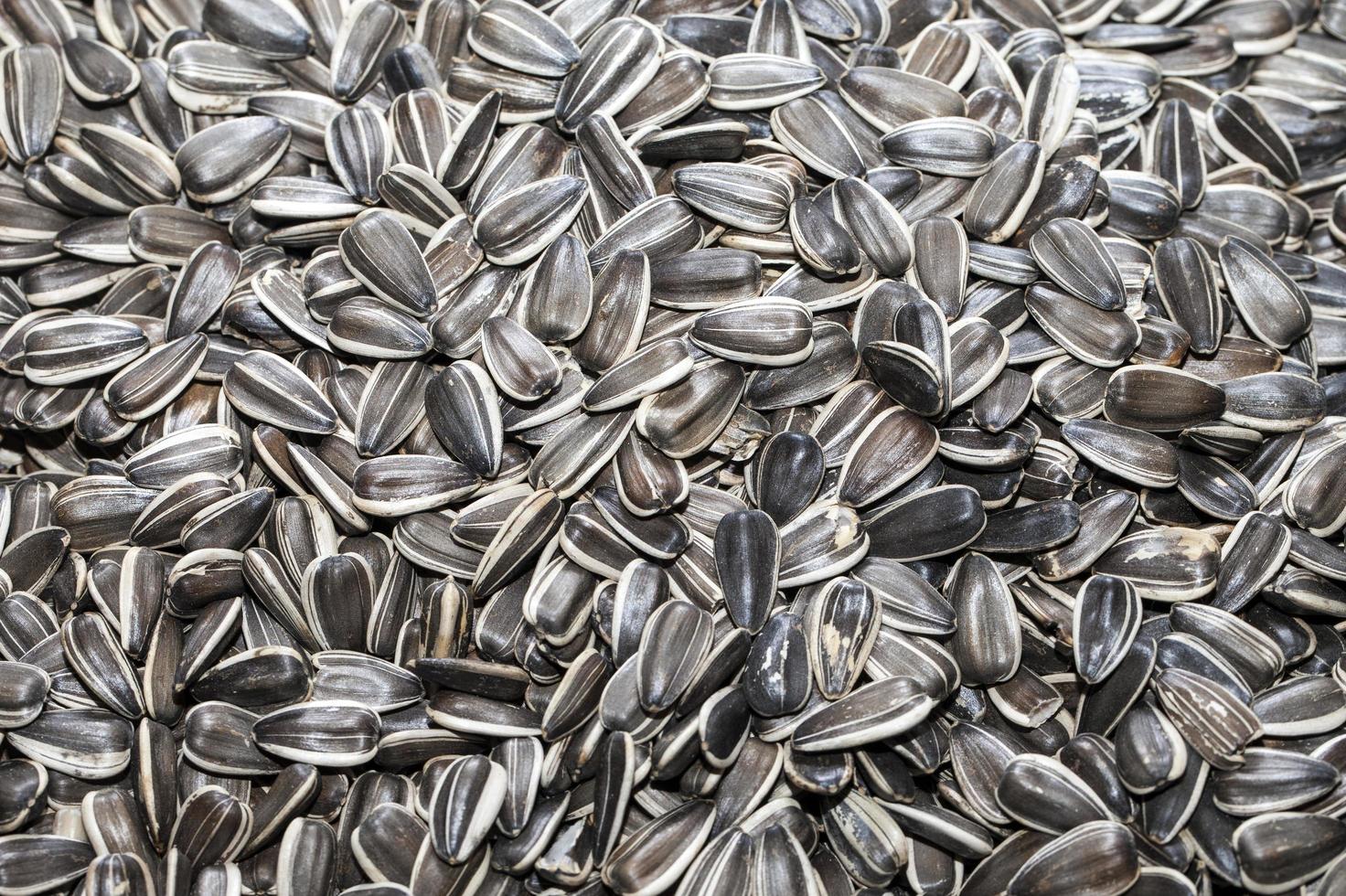
NOW Foods Organic Sunflower Seeds
Nutiva Organic Hemp Seeds
Nutiva Hemp Seeds are naturally gluten free and certified. They contain no wheat, rye, or barley and are tested to meet gluten-free standards. Allergen labeling confirms safety for celiac diets.
Spectrum Essentials Flax Seeds
Spectrum Flax Seeds are naturally gluten free and certified. They are tested under GFCO protocols, produced in allergen-controlled facilities, and labeled safe for gluten-free consumers.
Which seeds are not safe for Gluten Free Diet?
Flavored Sunflower Seeds
Flavored sunflower seeds from some brands are not gluten free because seasonings may contain wheat flour. The allergen panel highlights gluten. Despite sunflower seeds being naturally gluten free, these flavored varieties are unsafe for gluten-free diets.
Pumpkin Seeds (seasoned)
Some packaged seasoned pumpkin seeds are not gluten free since wheat starch is used in flavoring. The allergen list confirms gluten. These products are unsafe for gluten-sensitive individuals or celiac patients.
Sesame Seeds with Coating
Sesame seeds with flavored coatings are not gluten free because the coating contains wheat flour. The allergen labeling highlights gluten. Despite sesame itself being gluten free, these are unsafe for celiac patients.
Chia Seed Snack Bars
Chia seed bars sold commercially may not be gluten free since they include wheat flour as a binder. The allergen panel confirms gluten. Despite chia seeds being safe, these processed products are unsuitable for gluten-free diets.
Explore gluten management solutions like Tolerase® G.
Final Thoughts
Our Expert
Drs. Ilse van Asperen
Drs. Ilse van Asperen is a therapist specialising in orthomolecular therapy and nutritional coaching. With a background in public and clinical health research and management, she focuses on addressing the root causes of health issues through diet, gut health, and stress reduction. As a professional editor for Little Helpers, she reviews all gluten-free content to ensure accuracy, safety, and scientific credibility.
More about me
FAQs
Experiences of our customers
Disclaimer: We do our best to provide accurate gluten information, but errors can happen. If you spot a mistake or have concerns, please contact us so we can make it right.