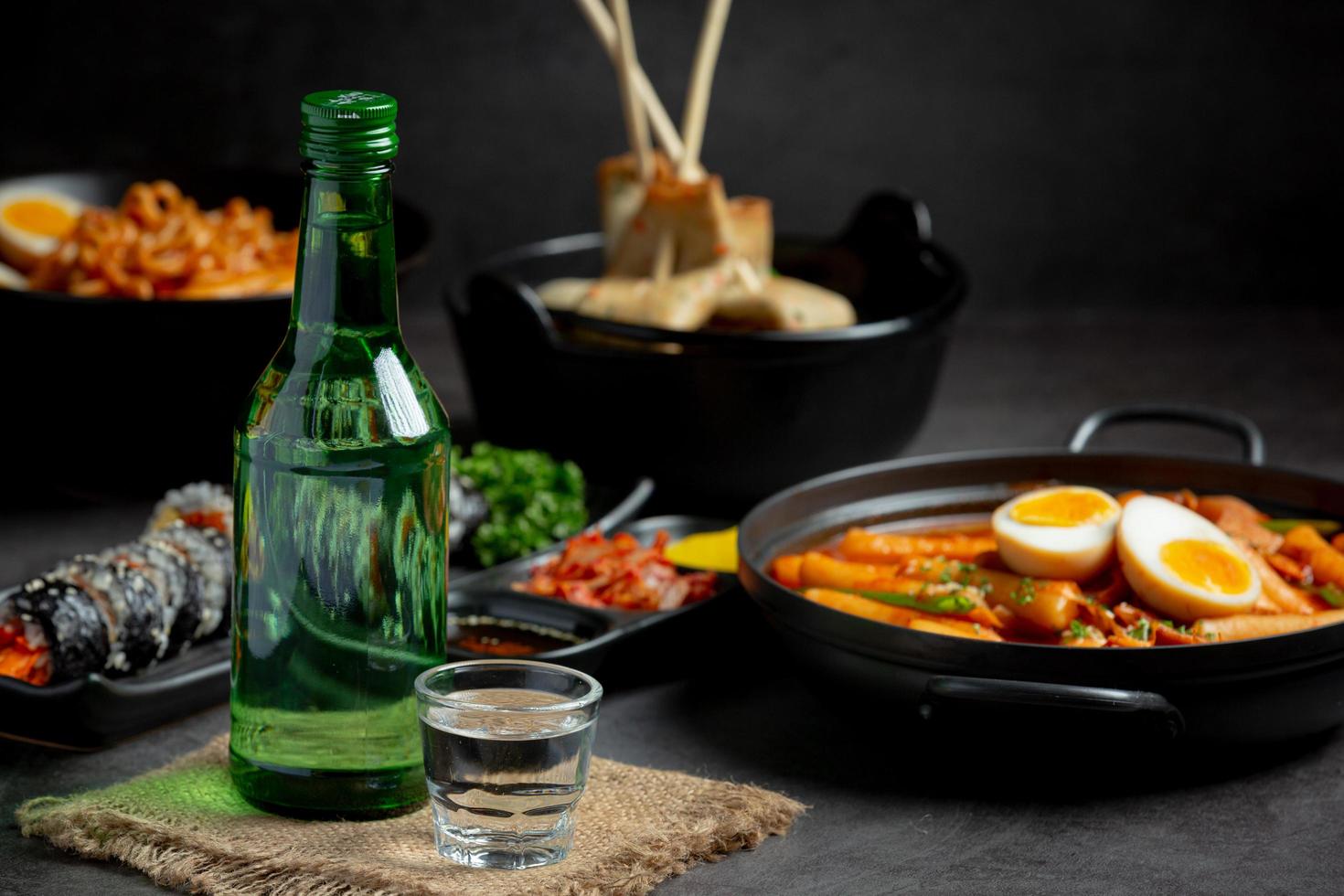
Is Jinro Soju Gluten Free?

Is Jinro Soju Gluten Free?

Jinro Soju is generally considered gluten-free as it is typically made from sweet potatoes, rice, or other non-gluten ingredients. However, it’s always best to check the specific product label or contact the manufacturer directly to confirm, as production methods or ingredients may vary between different Jinro Soju products or batches.

Dynamic Image
Health Information
Benefits of Jinro Soju

May reduce the risk of cardiovascular disease

Potentially lowers the risk of ischemic stroke

Might increase HDL (good) cholesterol levels

Could reduce the risk of gallstones

May lower the risk of type 2 diabetes in some individuals

Possibly reduces the risk of cognitive decline and dementiaHowever, it’s important to note:

These benefits are generally associated with light to moderate alcohol consumption

The risks of excessive alcohol consumption outweigh any potential benefits

Many of these benefits can be achieved through other, healthier lifestyle choices

Individuals with certain health conditions or those taking specific medications should avoid alcohol

The safest approach to alcohol is not to drink at allAlways consult with a healthcare professional for personalized advice on alcohol consumption and its effects on your health.

Who should avoid Jinro Soju

Individuals under the legal drinking age (which varies by country)

Pregnant women or those trying to conceive

Individuals with alcohol use disorder or a history of alcohol abuse

People taking medications that interact negatively with alcohol

Those with certain medical conditions, such as liver disease or pancreatitis

Individuals with a history of alcohol-related health issues

People who are operating vehicles or heavy machinery

Those who are about to engage in activities requiring concentration and coordination

Individuals with religious or personal beliefs that prohibit alcohol consumption

People with allergies or sensitivities to ingredients in Jinro Soju

Individuals on a strict calorie-controlled diet (as alcohol contains empty calories)

Those who are in recovery from alcohol addiction

People with certain mental health conditions that may be exacerbated by alcohol useRemember, if you’re unsure whether you should consume alcohol, it’s always best to consult with a healthcare professional.

Explore gluten management solutions like Tolerase® G.

[product_page id="21546"]

What is Tolerase® G?

A new Approach for People with Gluten Sensitivity:
Explore the Science and Benefits of Tolerase® G.


Relief from Gluten Sensitivity

In the fight against gluten, there is a unique supplement that stands out: Little Helpers anti-gluten pills with 100% Tolerase® G.

This specific enzyme, Tolerase® G, a patented endopeptidase specific for proline, was developed by  Royal DSM  and has been scientifically proven to be effective in breaking down gluten residues​ ( 1) ​. Furthermore, research has shown that Aspergillus niger prolyl endoprotease (AN-PEP), an enzyme closely related to Tolerase® G, can break down gluten so effectively that it barely reaches the duodenum, potentially eliminating gluten toxicity​ ( 2) ( ​​3 ) ​.

On this page we explain why we are so enthusiastic about this supplement, supported by scientific research.

What is Gluten?

Gluten is a group of proteins found primarily in grains such as wheat, barley, and rye. These complex proteins give shape, strength, and texture to bread and other grain products. However, gluten is difficult to digest because it is rich in proline, a non-essential amino acid. This is why about 13% of the world’s population is sensitive to gluten in their diet​ (1)​.

How Tolerase® G Works

It is important to note that Tolerase G is designed to have optimal activity in the difficult conditions of the stomach. Its effectiveness on the digestion of gluten in the stomach and duodenum has been scientifically proven ( 1 ).

Studies have shown that a newly identified prolyl endoprotease derived from Aspergillus niger can effectively break down gluten proteins. This enzyme works optimally at a pH of 4–5, remains stable at pH 2, and is completely resistant to digestion by pepsin ( 2 ). Furthermore, research has shown that Aspergillus niger prolyl endoprotease (AN-PEP) accelerates the breakdown of gluten in the stomach so much that very little gluten reaches the duodenum ( 3 ). This suggests that co-administration of AN-PEP with a meal containing gluten could potentially eliminate gluten toxicity, allowing people to (occasionally) abandon their strict gluten-free diet ( 3 ).

ALSO CONVINCED?

100% Tolerase® G Anti-Gluten Pills

Unique Enzyme Solution

Discover how our 100% Tolerase® G pills help digest gluten and support your lifestyle in a clear video.

Little Helpers & Tolerase® G: Stronger Together in the Fight against Gluten.

At Little Helpers we are proud of our unique partnership with the producer of Tolerase® G  DSM . Together we have spent 2.5 years of research and worked tirelessly to develop and perfect our gluten digestion pill, which contains 100% Tolerase® G.

Our shared commitment to quality and effectiveness has resulted in a product that is unmatched in the market. We have chosen to manufacture locally in Europe to ensure the highest quality standards and control.

Our pill has proven to be many times more effective than our competitors, and we offer it at the best price. We are convinced that our pill can make a difference for people who struggle with gluten sensitivity. That is why we encourage everyone to try it and experience the benefits for themselves!

The Only Effective Anti-Gluten Pills

Little Helpers Anti-Gluten Pills contain 100% Tolerase® G. Tolerase® G is the only enzyme on the market that has been scientifically proven to be effective enough to break down gluten in the stomach to the point where the body no longer reacts to it.

Related Gluten Free Products
Chum Churum Soju: A popular Korean soju brand made from sweet potatoes, offering a smooth taste with a slightly lower alcohol content than traditional soju.
TY KU Soju: An American-made soju crafted from barley and sweet potatoes, known for its clean taste and sleek bottle design. It's often used in cocktails.
Hwayo Soju: A premium Korean soju distilled from rice, offering a more refined taste and higher price point. It comes in various alcohol percentages.
Tokki Soju: A craft soju made in Brooklyn, NY, using traditional Korean methods. It's made from rice and has a smooth, slightly sweet flavor profile.
Yobo Soju: Another American-made soju, distilled from grapes in New York. It has a crisp, clean taste and is often marketed as a more versatile alternative to vodka.All of these options are gluten-free, as they are typically made from ingredients like rice, sweet potatoes, or grapes rather than wheat or barley.

Frequently Asked Questions

Is there gluten in soju?
Traditionally, soju does not contain gluten. It is typically made from rice, sweet potatoes, or other gluten-free ingredients. However, some modern soju brands may use wheat or other gluten-containing grains in their production process. It's always best to check the specific brand and ingredients if you have gluten sensitivities or celiac disease.
What is JINRO soju made of?
JINRO soju is a popular Korean alcoholic beverage. It is primarily made from sweet potatoes or other starches like rice or barley. The main ingredients are fermented and distilled to create the final product. JINRO soju typically has an alcohol content of about 20-25% by volume.
Is soju made from wheat?
Soju is not typically made from wheat. Traditional soju is made from rice, sweet potatoes, or barley. Modern soju can also be made from other starches like tapioca. While there may be some wheat-based soju products, they are not common or traditional.
Is soju made from barley?
Soju is not typically made from barley. Traditional soju is made from rice, sweet potatoes, or other starches. However, modern soju production often uses other grains or even ethanol. While some specialty soju brands may use barley, it is not a common base ingredient for this Korean spirit.

Our Expert

Drs. Ilse van Asperen

Is an Orthomolecular Therapist, Nutritional Coach & Professional Editor
Drs. Ilse van Asperen is a medical doctor specialising in orthomolecular therapy and nutritional coaching. With a background in public and clinical health research and management, she focuses on addressing the root causes of health issues through diet, gut health, and stress reduction. As a professional editor for Little Helpers, she reviews all gluten-free content to ensure accuracy, safety, and scientific credibility. More about me

Our Sources

The information on this page is based on reputable health and nutrition organisations, ensuring accuracy and reliability for anyone following a gluten-free diet. For further details, see the sources below.

Sources

  1. National Institutes of Health (NIH)

  2. Coeliac UK

  3. Harvard T.H. Chan School of Public Health

  4. Mayo Clinic

  5. World Health Organization (WHO)

  6. Celiac Disease Foundation

Experiences of our customers

Disclaimer: We do our best to provide accurate gluten information, but errors can happen. If you spot a mistake or have concerns, please contact us so we can make it right.