Is La Marca Prosecco Gluten Free?
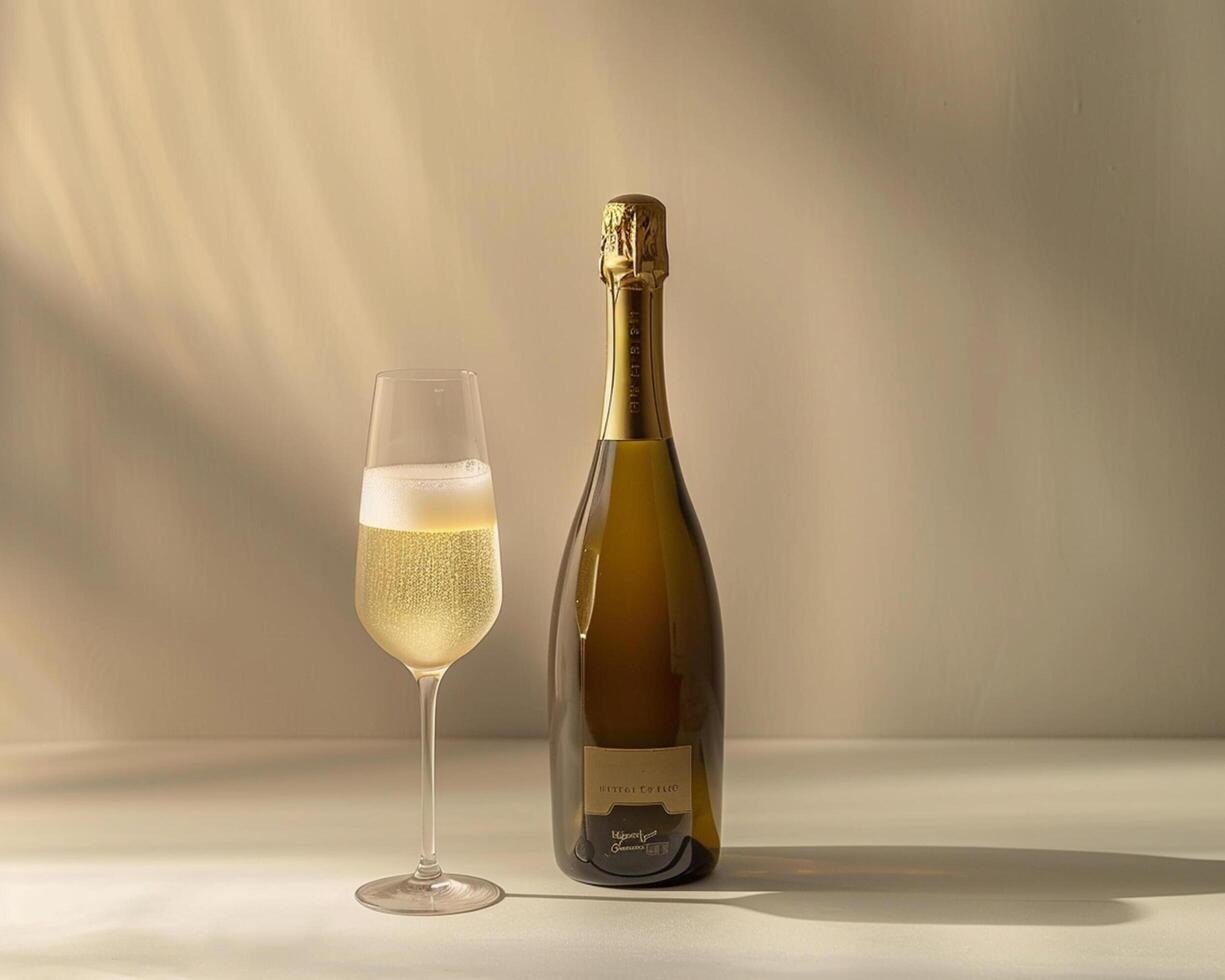
La Marca Prosecco is generally considered gluten-free as it is made from grapes, which do not contain gluten. However, it’s always best to check with the manufacturer or on the label for the most up-to-date information, especially if you have severe gluten sensitivity or celiac disease.

Lower calorie content: Prosecco generally has fewer calories than many other alcoholic beverages, making it a relatively lighter option.
Antioxidants: Contains polyphenols, which are antioxidants that may help protect cells from damage caused by free radicals.
Heart health: Moderate consumption of sparkling wine has been associated with potential cardiovascular benefits, such as improved blood flow.
Improved mood: The bubbles in Prosecco can trigger the release of endorphins, potentially boosting mood.
Bone health: Some studies suggest that moderate wine consumption may be associated with increased bone density.
Reduced stress: When consumed in moderation, it may help reduce stress and promote relaxation.
Cognitive function: Some research suggests that moderate wine consumption may be associated with improved cognitive function in older adults.
Potential longevity: Moderate alcohol consumption has been linked to increased life expectancy in some studies.
Pregnant women: Alcohol consumption during pregnancy can lead to fetal alcohol spectrum disorders.
Individuals under the legal drinking age: In most countries, this is 18 or 21 years old.
People with alcohol use disorder or those in recovery from alcohol addiction
Individuals taking medications that interact negatively with alcohol
People with certain medical conditions, such as liver disease or pancreatitis
Those who are operating vehicles or machinery
Individuals with a history of alcohol abuse or dependency
People with certain mental health conditions that may be exacerbated by alcohol
Those who are allergic to ingredients in the prosecco or have sulfite sensitivities
Individuals following religious or personal beliefs that prohibit alcohol consumption
People on certain diets that restrict alcohol intake
Those who need to avoid empty calories for health reasons
Individuals who are the designated driver or responsible for the safety of othersRemember, it’s always best to consult with a healthcare professional for personalized advice regarding alcohol consumption.
Explore gluten management solutions like Tolerase® G.
What is Tolerase® G?
A new Approach for People with Gluten Sensitivity:
Explore the Science and Benefits of Tolerase® G.
Relief from Gluten Sensitivity
In the fight against gluten, there is a unique supplement that stands out: Little Helpers anti-gluten pills with 100% Tolerase® G.
This specific enzyme, Tolerase® G, a patented endopeptidase specific for proline, was developed by Royal DSM and has been scientifically proven to be effective in breaking down gluten residues ( 1) . Furthermore, research has shown that Aspergillus niger prolyl endoprotease (AN-PEP), an enzyme closely related to Tolerase® G, can break down gluten so effectively that it barely reaches the duodenum, potentially eliminating gluten toxicity ( 2) ( 3 ) .
On this page we explain why we are so enthusiastic about this supplement, supported by scientific research.

What is Gluten?
Gluten is a group of proteins found primarily in grains such as wheat, barley, and rye. These complex proteins give shape, strength, and texture to bread and other grain products. However, gluten is difficult to digest because it is rich in proline, a non-essential amino acid. This is why about 13% of the world’s population is sensitive to gluten in their diet (1).
How Tolerase® G Works
It is important to note that Tolerase G is designed to have optimal activity in the difficult conditions of the stomach. Its effectiveness on the digestion of gluten in the stomach and duodenum has been scientifically proven ( 1 ).
Studies have shown that a newly identified prolyl endoprotease derived from Aspergillus niger can effectively break down gluten proteins. This enzyme works optimally at a pH of 4–5, remains stable at pH 2, and is completely resistant to digestion by pepsin ( 2 ). Furthermore, research has shown that Aspergillus niger prolyl endoprotease (AN-PEP) accelerates the breakdown of gluten in the stomach so much that very little gluten reaches the duodenum ( 3 ). This suggests that co-administration of AN-PEP with a meal containing gluten could potentially eliminate gluten toxicity, allowing people to (occasionally) abandon their strict gluten-free diet ( 3 ).
100% Tolerase® G Anti-Gluten Pills

Unique Enzyme Solution
Discover how our 100% Tolerase® G pills help digest gluten and support your lifestyle in a clear video.
Little Helpers & Tolerase® G: Stronger Together in the Fight against Gluten.
At Little Helpers we are proud of our unique partnership with the producer of Tolerase® G DSM . Together we have spent 2.5 years of research and worked tirelessly to develop and perfect our gluten digestion pill, which contains 100% Tolerase® G.
Our shared commitment to quality and effectiveness has resulted in a product that is unmatched in the market. We have chosen to manufacture locally in Europe to ensure the highest quality standards and control.
Our pill has proven to be many times more effective than our competitors, and we offer it at the best price. We are convinced that our pill can make a difference for people who struggle with gluten sensitivity. That is why we encourage everyone to try it and experience the benefits for themselves!
The Only Effective Anti-Gluten Pills
Little Helpers Anti-Gluten Pills contain 100% Tolerase® G. Tolerase® G is the only enzyme on the market that has been scientifically proven to be effective enough to break down gluten in the stomach to the point where the body no longer reacts to it.

Frequently Asked Questions
Our Expert
Drs. Ilse van Asperen
Drs. Ilse van Asperen is a medical doctor specialising in orthomolecular therapy and nutritional coaching. With a background in public and clinical health research and management, she focuses on addressing the root causes of health issues through diet, gut health, and stress reduction. As a professional editor for Little Helpers, she reviews all gluten-free content to ensure accuracy, safety, and scientific credibility. More about me
Our Sources
The information on this page is based on reputable health and nutrition organisations, ensuring accuracy and reliability for anyone following a gluten-free diet. For further details, see the sources below.
Sources
Experiences of our customers
Disclaimer: We do our best to provide accurate gluten information, but errors can happen. If you spot a mistake or have concerns, please contact us so we can make it right.