Is Granulated Sugar Gluten Free?

Is Granulated Sugar Gluten Free?

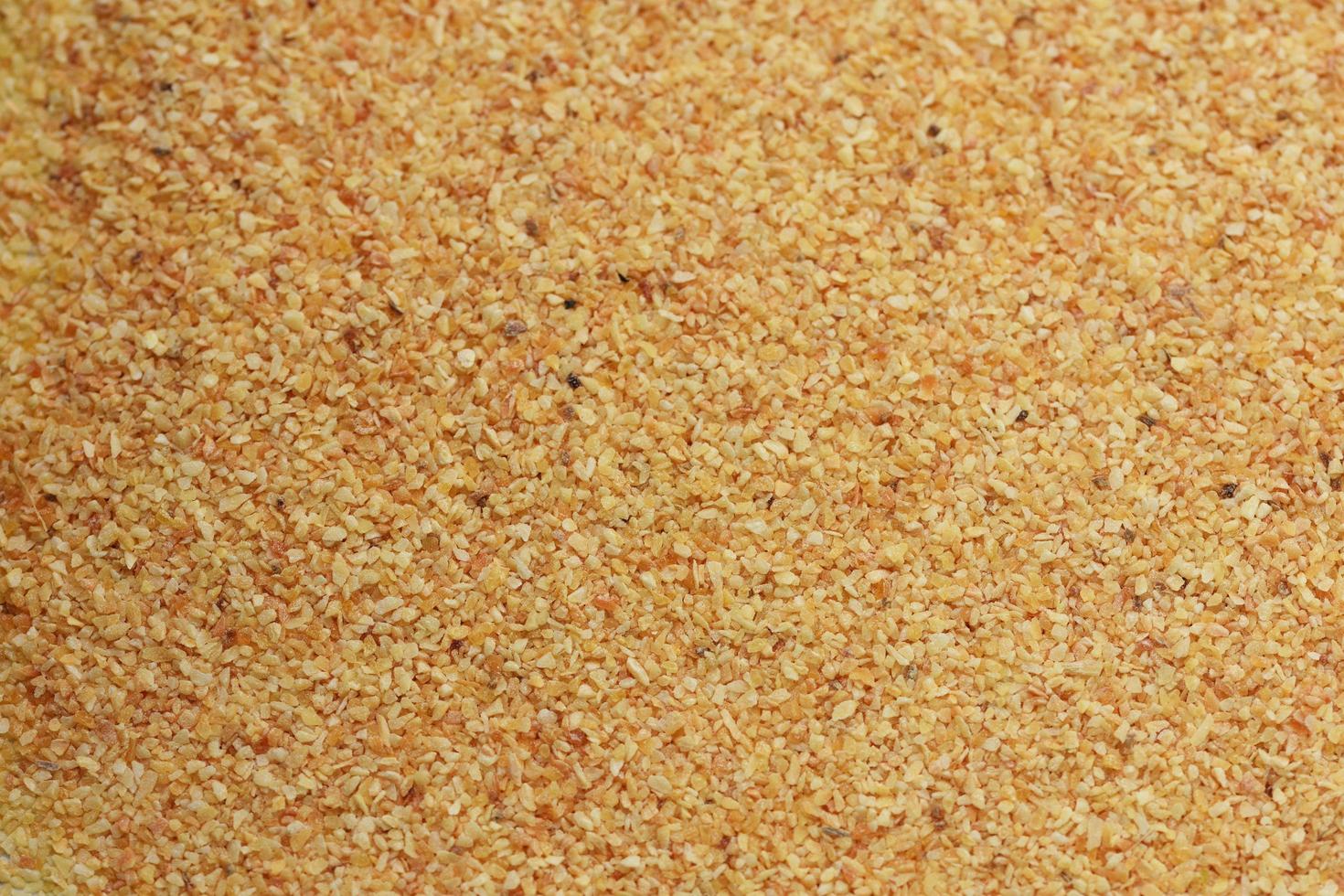
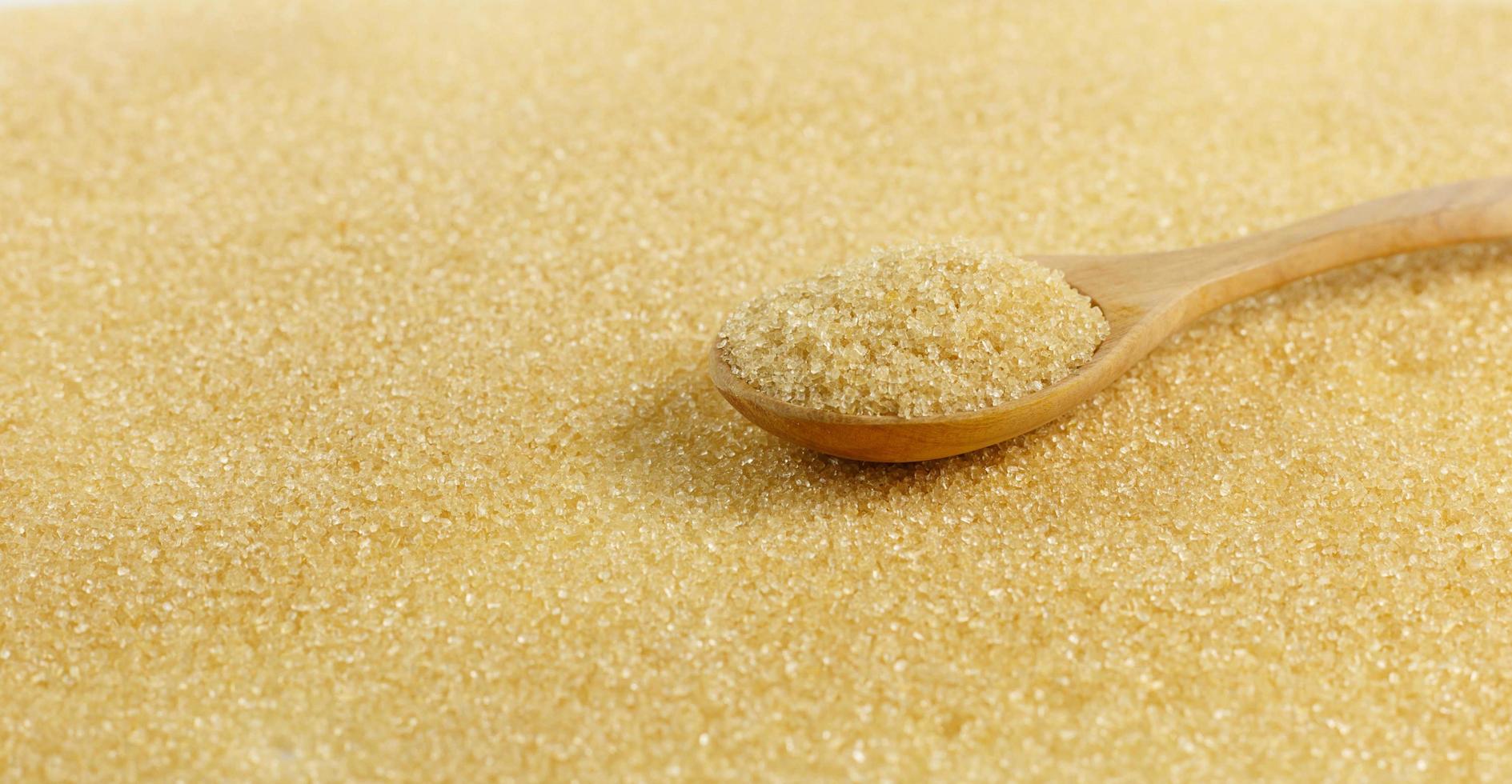
Yes, granulated sugar is naturally gluten-free. Pure sugar is derived from either sugar cane or sugar beets, neither of which contain gluten.

TL;DR

Yes, granulated sugar is naturally gluten-free. Pure sugar is derived from either sugar cane or sugar beets, neither of which contain gluten.

Quick Tips

1

Quick energy source: Sugar provides rapid energy in the form of simple carbohydrates.

2

Mood boost: Sugar consumption can temporarily elevate mood due to its effect on dopamine release.

3

Preservative: Sugar can act as a natural preservative in foods, helping to prevent spoilage.

# In Diesem Artikel

3 Abschnitte

Schnelle Navigation zu jedem Abschnitt dieses Artikels:

1 Benefits of Granulated Sugar

Quick energy source: Sugar provides rapid energy in the form of simple carbohydrates.

Springe
2 Who should avoid Granulated Sugar

People with diabetes or prediabetes

Springe
3 Related Gluten Free Products

Here are five similar gluten-free options like Granulated Sugar, along with short descriptions for each:

Springe

Benefits of Granulated Sugar

Benefits of Granulated Sugar
Quick energy source: Sugar provides rapid energy in the form of simple carbohydrates.
Mood boost: Sugar consumption can temporarily elevate mood due to its effect on dopamine release.
Preservative: Sugar can act as a natural preservative in foods, helping to prevent spoilage.
Wound healing: In some medical settings, sugar paste is used topically to aid in wound healing due to its antimicrobial properties.
Electrolyte balance: In specific situations (e.g., treating hypoglycemia), sugar can help restore blood glucose levels.
Palatability: Sugar can make certain nutritious foods more palatable, potentially increasing the consumption of healthy items.It’s important to note that these points do not outweigh the potential negative health effects of excessive sugar consumption. Most health organizations recommend limiting added sugar intake as part of a balanced diet.

Who should avoid Granulated Sugar

Who should avoid Granulated Sugar
People with diabetes or prediabetes
Individuals struggling with obesity or trying to lose weight
Those with metabolic syndrome
People with heart disease or at high risk for cardiovascular problems
Individuals with non-alcoholic fatty liver disease (NAFLD)
Those with dental issues or at high risk for tooth decay
People with inflammatory conditions, as sugar can increase inflammation
Individuals with candida overgrowth or frequent yeast infections
Those with attention deficit hyperactivity disorder (ADHD), as sugar may worsen symptoms
People with certain types of cancer, as some cancer cells feed on sugar
Individuals with polycystic ovary syndrome (PCOS)
Those with a history of addiction, as sugar can be addictive for some people
People following specific diets like ketogenic or low-carb diets
Individuals with irritable bowel syndrome (IBS) or other digestive issues that may be exacerbated by sugar. Remember, while these groups should be especially cautious, it’s generally recommended for everyone to limit their intake of added sugars for optimal health.
GENIESSE DEIN LIEBLINGSESSEN OHNE ANGST!
Lass dich von Gluten nicht aufhalten. Nimm Anti-Gluten-Pillen vor deiner Mahlzeit und genieße mit Seelenfrieden.
ANTI-GLUTEN-PILLEN KAUFEN
Klinisch erwiesen · Bis zu 86% Glutenreduktion · Schnell wirkend

Here are five similar gluten-free options like Granulated Sugar, along with short descriptions for each:

Related Gluten Free Products
Coconut Sugar- Made from coconut palm sap- Has a lower glycemic index than regular sugar- Contains some nutrients and antioxidants- Has a subtle caramel flavor
Stevia- Natural, zero-calorie sweetener derived from the stevia plant- Much sweeter than sugar, so less is needed- Does not affect blood sugar levels- Available in liquid or powdered form
Maple Syrup- Natural sweetener made from the sap of maple trees- Contains minerals and antioxidants- Has a distinct, rich flavor- Available in various grades based on color and taste
Honey- Natural sweetener produced by bees- Contains enzymes, vitamins, and minerals- Has antimicrobial properties- Available in different varieties with unique flavors
Agave Nectar- Derived from the agave plant- Has a lower glycemic index than regular sugar- Sweeter than sugar, so less is needed- Has a neutral flavor that doesn't overpower other ingredients

Health Information

? Häufig Gestellte Fragen

3 Fragen
1 Is there gluten in grape jelly?
Grape jelly is typically gluten-free. The main ingredients are usually grapes, sugar, and pectin, none of which contain gluten. However, it's always important to check the label for any additives or processing aids that might contain gluten. If you have celiac disease or gluten sensitivity, look for jelly specifically labeled as gluten-free to be extra safe.
2 Is Smuckers grape jelly gluten-free?
Smucker's grape jelly is generally considered gluten-free. The main ingredients in their grape jelly are grape juice, high fructose corn syrup, corn syrup, fruit pectin, citric acid, and sodium citrate. None of these ingredients contain gluten. However, it's always best to check the label or contact the manufacturer directly if you have severe gluten sensitivities or celiac disease.
3 Is Welch's grape gluten-free?
Yes, Welch's grape juice is gluten-free. Grape juice is naturally gluten-free as it is made from grapes, which do not contain gluten. Welch's has confirmed that their grape juice products are gluten-free and safe for those with celiac disease or gluten sensitivity. It's always a good idea to check the label for the most up-to-date information, as product formulations can occasionally change.
LEBE GLUTENFREI OHNE AUFWAND!
Entdecke Tolerase® G, klinisch erwiesen, bis zu 86% des Glutens in unter 10 Minuten abzubauen. Erlebe die Freiheit zu essen, was du liebst.
ANTI-GLUTEN-PILLEN KAUFEN
150mg reines Tolerase® G · Reduziert Gluten um 86% · Unter 10 Minuten

Unsere Expertin

Drs. Ilse van Asperen, Orthomolecular Therapist and Nutritional Coach

Drs. Ilse van Asperen

Orthomolekulare Therapeutin, Ernährungscoach & Professionelle Redakteurin

Drs. Ilse van Asperen ist Ärztin und spezialisiert auf orthomolekulare Therapie und Ernährungscoaching. Mit einem Hintergrund in öffentlicher und klinischer Gesundheitsforschung sowie Management konzentriert sie sich darauf, die Ursachen von Gesundheitsproblemen durch Ernährung, Darmgesundheit und Stressreduktion anzugehen. Als professionelle Redakteurin für Little Helpers prüft sie alle glutenfreien Inhalte auf Genauigkeit, Sicherheit und wissenschaftliche Glaubwürdigkeit. Mehr auf der eigenen Website von Drs. Ilse van Asperen lesen

Unsere Quellen

Die Informationen auf dieser Seite basieren auf renommierten Gesundheits- und Ernährungsorganisationen und bieten dadurch hohe Genauigkeit und Zuverlässigkeit für alle, die sich glutenfrei ernähren. Weitere Details finden Sie in den folgenden Quellen.
Quellen

Ähnliche Artikel

Zurück zum Blog