Share
TL;DR
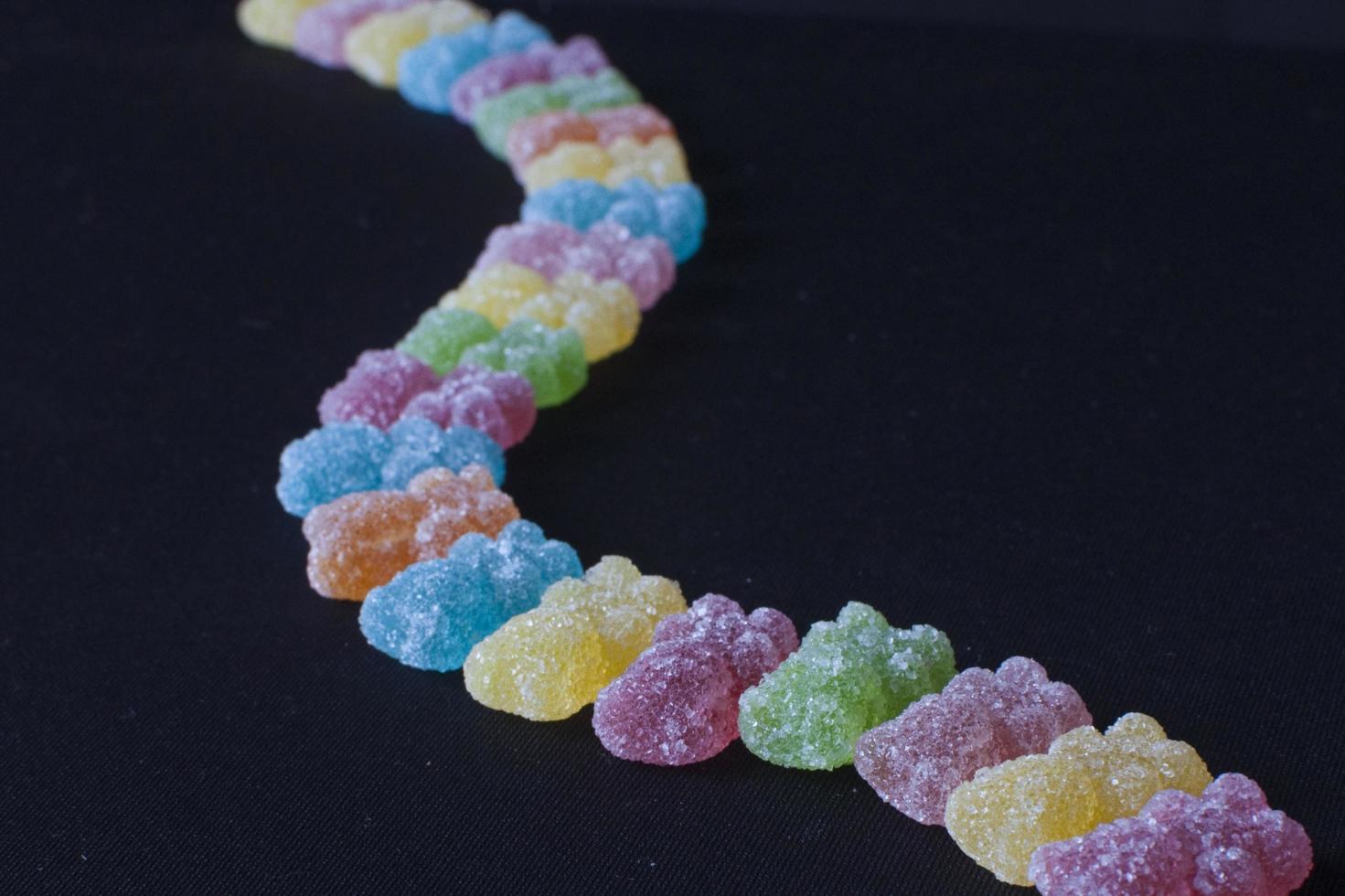
Most gummy candies are gluten-free as they are typically made with ingredients like gelatin, sugar, and flavorings that do not contain gluten. However, it’s always important to check the specific product’s ingredient list and packaging for gluten-free certification, as some gummy candies may contain wheat-based ingredients or be produced in facilities that process gluten-containing products.
Quick Tips
1High in added sugars
2Low in essential nutrients
3May contribute to tooth decay
# In Diesem Artikel
3 AbschnitteSchnelle Navigation zu jedem Abschnitt dieses Artikels:
Benefits of Gummy Candy
| Benefits of Gummy Candy |
|---|
| High in added sugars |
| Low in essential nutrients |
| May contribute to tooth decay |
| Can lead to weight gain if consumed in excess |
| May cause spikes in blood sugar levelsWhile gummy candies may be enjoyable as an occasional treat, they should not be considered a health food or consumed for any potential health benefits. A balanced diet rich in fruits, vegetables, whole grains, and lean proteins is generally recommended for optimal health. |
Who should avoid Gummy Candy
| Who should avoid Gummy Candy |
|---|
| Diabetics: Due to the high sugar content in most gummy candies |
| People with dental issues: The sticky texture can adhere to teeth and potentially cause decay |
| Those with braces or other orthodontic appliances: Gummy candies can stick to and damage dental work |
| Individuals on certain medications: Some medications may interact with food dyes or other ingredients in gummy candies |
| People with phenylketonuria (PKU): Many gummy candies contain phenylalanine, which can be harmful to those with PKU |
| Those with allergies to common ingredients: Such as gelatin, corn syrup, or certain food dyes |
| Individuals trying to lose weight or maintain a healthy diet: Due to the high calorie and sugar content |
| Young children: Risk of choking, especially for very young children |
| People with irritable bowel syndrome (IBS): Sugar alcohols in sugar-free versions can cause digestive issues |
| Those with celiac disease or gluten sensitivity: Some gummy candies may contain gluten |
| Vegans and vegetarians: Most gummy candies contain gelatin, an animal-derived ingredient |
| People with certain gastrointestinal conditions: The high sugar content may exacerbate symptomsRemember, occasional consumption may be fine for many people, but it’s always best to consult with a healthcare professional for personalized advice. |
Related Gluten Free Products
Here are five similar gluten-free options to Gummy Candy, along with short descriptions:
| Related Gluten Free Products |
|---|
| Fruit Leather: A chewy, flat strip made from pureed and dehydrated fruit. It's often sweet and tangy, providing a natural fruit flavor without added gluten. |
| Jelly Beans: Small, bean-shaped candies with a soft, chewy center and a hard outer shell. Most varieties are gluten-free and come in a wide range of flavors. |
| Marshmallows: Light, fluffy, and sweet confections made primarily from sugar, water, and gelatin. They're naturally gluten-free and can be eaten as-is or used in various desserts. |
| Licorice (certain brands): A chewy, rope-like candy traditionally flavored with licorice root extract. While some brands contain gluten, there are gluten-free options available in various flavors. |
| Rice Crispy Treats: A sweet, chewy snack made from rice cereal, marshmallows, and butter. When made with gluten-free rice cereal, these treats offer a similar texture to gummy candies while being gluten-free. |
Health Information
? Häufig Gestellte Fragen
3 Fragen1 Which gummies are gluten-free?
2 What candy is not gluten-free?
3 Are Brach's gummy hearts gluten-free?
Unsere Expertin
Drs. Ilse van Asperen
Orthomolekulare Therapeutin, Ernährungscoach & Professionelle Redakteurin
Drs. Ilse van Asperen ist Ärztin und spezialisiert auf orthomolekulare Therapie und Ernährungscoaching. Mit einem Hintergrund in öffentlicher und klinischer Gesundheitsforschung sowie Management konzentriert sie sich darauf, die Ursachen von Gesundheitsproblemen durch Ernährung, Darmgesundheit und Stressreduktion anzugehen. Als professionelle Redakteurin für Little Helpers prüft sie alle glutenfreien Inhalte auf Genauigkeit, Sicherheit und wissenschaftliche Glaubwürdigkeit. Mehr auf der eigenen Website von Drs. Ilse van Asperen lesen
Unsere Quellen
Die Informationen auf dieser Seite basieren auf renommierten Gesundheits- und Ernährungsorganisationen und bieten dadurch hohe Genauigkeit und Zuverlässigkeit für alle, die sich glutenfrei ernähren. Weitere Details finden Sie in den folgenden Quellen.