Share
TL;DR
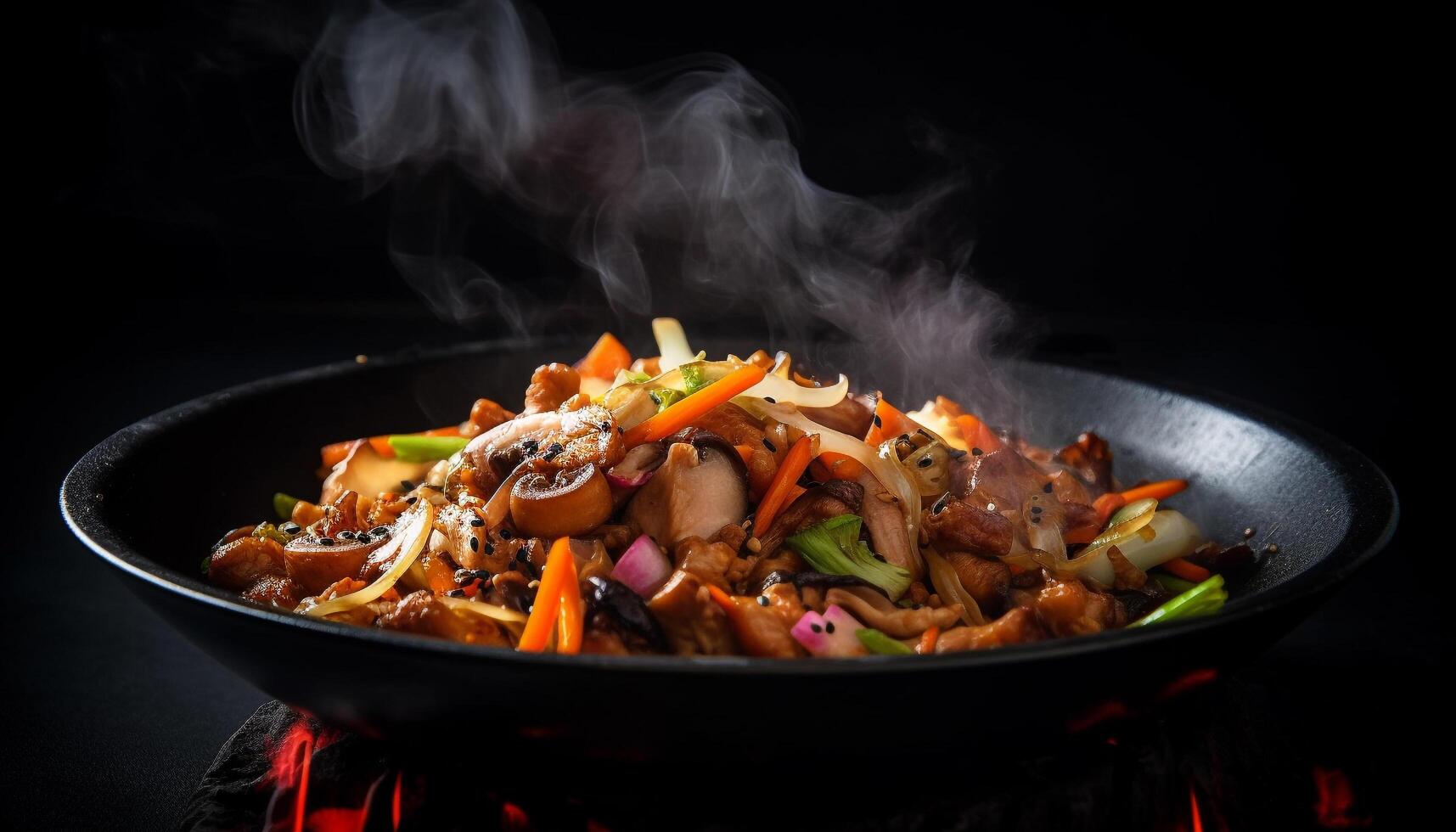
Generally, plain hibachi rice is gluten-free as it’s typically made with just rice, vegetables, and seasonings. However, some restaurants may use soy sauce or other additives containing gluten in their preparation, so it’s always best to ask about specific ingredients and preparation methods if you have gluten sensitivities or celiac disease.
Quick Tips
1Source of complex carbohydrates: Rice provides energy and helps maintain blood sugar levels.
2Protein content: When prepared with eggs and meat, it can be a good source of protein for muscle health and repair.
3Vegetable intake: Often includes vegetables like onions, zucchini, and carrots, providing vitamins, minerals, and fiber.
# In Diesem Artikel
3 AbschnitteSchnelle Navigation zu jedem Abschnitt dieses Artikels:
1 Benefits of Hibachi Rice
Source of complex carbohydrates: Rice provides energy and helps maintain blood sugar levels.
Springe2 Who should avoid Hibachi Rice
People with celiac disease or gluten sensitivity (if soy sauce containing wheat is used)
Springe3 Related Gluten Free Products
Here are five gluten-free options similar to Hibachi Rice, along with short descriptions:
SpringeBenefits of Hibachi Rice
| Benefits of Hibachi Rice |
|---|
| Source of complex carbohydrates: Rice provides energy and helps maintain blood sugar levels. |
| Protein content: When prepared with eggs and meat, it can be a good source of protein for muscle health and repair. |
| Vegetable intake: Often includes vegetables like onions, zucchini, and carrots, providing vitamins, minerals, and fiber. |
| Antioxidants: Ingredients like garlic and ginger offer antioxidant properties that can help fight inflammation. |
| Heart health: Using vegetable oils instead of butter can provide heart-healthy unsaturated fats. |
| Selenium source: Rice is a good source of selenium, which supports thyroid function and immune system. |
| Manageable portions: Typically served in controlled portions, which can aid in weight management. |
| Versatility: Can be customized with various vegetables and lean proteins to increase nutritional value. |
| Low in saturated fat: When prepared with minimal oil and lean proteins, it can be lower in unhealthy fats. |
| Gluten-free option: For those with gluten sensitivities, it can be a tasty gluten-free meal option.Remember that the healthiness of hibachi rice largely depends on the ingredients used and cooking method. Opt for brown rice, lean proteins, and plenty of vegetables for maximum health benefits. |
Who should avoid Hibachi Rice
| Who should avoid Hibachi Rice |
|---|
| People with celiac disease or gluten sensitivity (if soy sauce containing wheat is used) |
| Individuals with soy allergies (due to the common use of soy sauce) |
| Those with shellfish allergies (if the rice is prepared on the same surface as seafood) |
| People on low-sodium diets (due to the high sodium content in soy sauce) |
| Individuals with diabetes or those watching their carbohydrate intake (due to the high carb content in rice) |
| People with egg allergies (if egg is used as an ingredient or if the rice is prepared near eggs) |
| Those with sesame allergies (if sesame oil is used in preparation) |
| Individuals with certain food intolerances or sensitivities to common hibachi ingredients (like onions or garlic) |
| People following strict vegan or vegetarian diets (if the rice is prepared with animal products or on shared surfaces) |
| Those with severe peanut or tree nut allergies (due to potential cross-contamination in some restaurants) |
| Individuals on low-fat diets (as hibachi rice is often prepared with oil or butter)Remember, it’s always best to consult with a healthcare professional or the restaurant staff about specific dietary concerns. |
Related Gluten Free Products
Here are five gluten-free options similar to Hibachi Rice, along with short descriptions:
| Related Gluten Free Products |
|---|
| Cauliflower Rice: A low-carb alternative made by grating or processing cauliflower into rice-sized pieces. It can be stir-fried with vegetables and proteins for a similar texture and appearance to traditional fried rice. |
| Quinoa Stir-Fry: A protein-rich, gluten-free grain that can be cooked and stir-fried with vegetables, eggs, and seasonings to create a dish similar to hibachi rice but with a nuttier flavor and slightly different texture. |
| Zucchini Noodle Stir-Fry: Spiralized zucchini noodles (zoodles) can be quickly stir-fried with vegetables and proteins to create a low-carb, gluten-free alternative that mimics the vegetable and protein mix of hibachi rice. |
| Brown Rice Hibachi: A whole-grain version of traditional hibachi rice, using gluten-free brown rice instead of white rice. It offers a nuttier flavor and more fiber while still providing the classic hibachi experience. |
| Shirataki Rice: Made from konjac yam, this zero-calorie, gluten-free rice alternative can be stir-fried with vegetables and proteins to create a dish similar to hibachi rice but with fewer calories and carbohydrates. |
Health Information
? Häufig Gestellte Fragen
3 Fragen1 What is hibachi fried rice made of?
2 Is Japanese Rice gluten free?
3 Do hibachi noodles have gluten?
Unsere Expertin
Drs. Ilse van Asperen
Orthomolekulare Therapeutin, Ernährungscoach & Professionelle Redakteurin
Drs. Ilse van Asperen ist Ärztin und spezialisiert auf orthomolekulare Therapie und Ernährungscoaching. Mit einem Hintergrund in öffentlicher und klinischer Gesundheitsforschung sowie Management konzentriert sie sich darauf, die Ursachen von Gesundheitsproblemen durch Ernährung, Darmgesundheit und Stressreduktion anzugehen. Als professionelle Redakteurin für Little Helpers prüft sie alle glutenfreien Inhalte auf Genauigkeit, Sicherheit und wissenschaftliche Glaubwürdigkeit. Mehr auf der eigenen Website von Drs. Ilse van Asperen lesen
Unsere Quellen
Die Informationen auf dieser Seite basieren auf renommierten Gesundheits- und Ernährungsorganisationen und bieten dadurch hohe Genauigkeit und Zuverlässigkeit für alle, die sich glutenfrei ernähren. Weitere Details finden Sie in den folgenden Quellen.