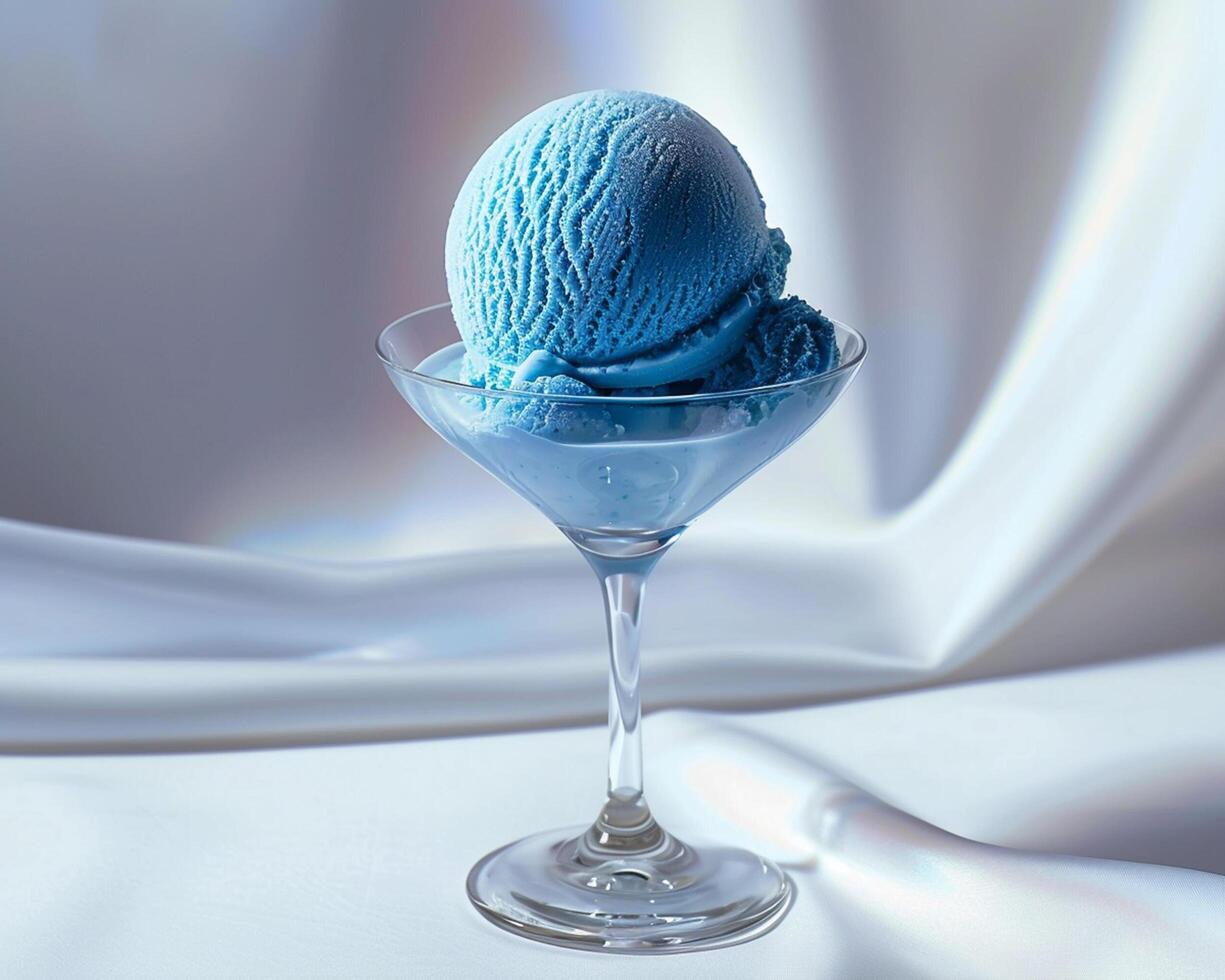
Is Homemade Ice Cream Gluten Free?

Is Homemade Ice Cream Gluten Free?

Generally speaking, homemade ice cream can be gluten-free if you use gluten-free ingredients in your recipe. However, you need to be careful about potential sources of gluten such as certain flavorings, mix-ins, or cross-contamination from utensils or surfaces that may have been in contact with gluten-containing foods.

TL;DR

Generally speaking, homemade ice cream can be gluten-free if you use gluten-free ingredients in your recipe. However, you need to be careful about potential sources of gluten such as certain flavorings, mix-ins, or cross-contamination from utensils or surfaces that may have been in contact with gluten-containing foods.

Quick Tips

1

Control over ingredients: You can choose high-quality, natural ingredients and avoid artificial additives or preservatives.

2

Reduced sugar content: You can adjust the sweetness level to your preference, potentially using less sugar than commercial versions.

3

Healthier fat options: You can use healthier fats like coconut milk or avocado instead of heavy cream.

# In Diesem Artikel

3 Abschnitte

Schnelle Navigation zu jedem Abschnitt dieses Artikels:

1 Benefits of Homemade Ice Cream

Control over ingredients: You can choose high-quality, natural ingredients and avoid artificial additives or preservatives.

Springe
2 Who should avoid Homemade Ice Cream

People with compromised immune systems, as homemade ice cream may carry a higher risk of foodborne illness

Springe
3 Related Gluten Free Products

Here are five gluten-free options similar to homemade ice cream, along with short descriptions:

Springe

Benefits of Homemade Ice Cream

Benefits of Homemade Ice Cream
Control over ingredients: You can choose high-quality, natural ingredients and avoid artificial additives or preservatives.
Reduced sugar content: You can adjust the sweetness level to your preference, potentially using less sugar than commercial versions.
Healthier fat options: You can use healthier fats like coconut milk or avocado instead of heavy cream.
Higher nutritional value: By adding fresh fruits, nuts, or seeds, you can increase the vitamin, mineral, and fiber content.
Portion control: Making your own allows you to control serving sizes more easily.
Probiotics: If using cultured dairy products like yogurt, you can introduce beneficial probiotics to your diet.
Allergy-friendly options: You can create versions that cater to specific dietary needs or allergies.
Lower calorie options: By using alternatives like frozen bananas or Greek yogurt, you can make lower-calorie versions.
Fresher ingredients: Homemade ice cream often uses fresher ingredients than mass-produced varieties.
Customizable nutrition: You can add protein powders, chia seeds, or other nutritional boosters to increase health benefits.
Mindful eating: The process of making ice cream can lead to more mindful consumption and appreciation of the treat.Remember, while these benefits exist, ice cream should still be consumed in moderation as part of a balanced diet.

Who should avoid Homemade Ice Cream

Who should avoid Homemade Ice Cream
People with compromised immune systems, as homemade ice cream may carry a higher risk of foodborne illness
Pregnant women, due to the potential risk of listeria contamination in raw or unpasteurized ingredients
Individuals with severe lactose intolerance, unless using lactose-free alternatives
Those with egg allergies, if the recipe contains raw or undercooked eggs
People with diabetes or on strict low-sugar diets, unless using sugar-free alternatives
Individuals with a history of foodborne illness sensitivity
Young children, especially if the recipe contains raw eggs or unpasteurized ingredients
Elderly individuals, who may be more susceptible to foodborne illnesses
People with certain gastrointestinal conditions that may be aggravated by dairy products
Those on specific medications that interact negatively with dairy products
Individuals with a history of calcium oxalate kidney stones, as dairy products are high in calcium
People following a vegan lifestyle, unless the recipe is specifically vegan
Those with severe nut allergies, if the ice cream contains nuts or is made in an environment where cross-contamination is possibleRemember that many of these concerns can be mitigated by using pasteurized ingredients, following proper food safety protocols, or making appropriate ingredient substitutions.
GENIESSE DEIN LIEBLINGSESSEN OHNE ANGST!
Lass dich von Gluten nicht aufhalten. Nimm Anti-Gluten-Pillen vor deiner Mahlzeit und genieße mit Seelenfrieden.
ANTI-GLUTEN-PILLEN KAUFEN
Klinisch erwiesen · Bis zu 86% Glutenreduktion · Schnell wirkend

Here are five gluten-free options similar to homemade ice cream, along with short descriptions:

Related Gluten Free Products
Frozen Yogurt: A tangy, creamy frozen dessert made from yogurt cultures, often lower in fat than traditional ice cream. It can be made at home or found in specialty shops with various toppings and flavors.
Sorbet: A fruit-based frozen dessert that's typically dairy-free and made from pureed fruit, water, and sugar. It has a smooth, refreshing texture and is often lower in calories than ice cream.
Nice Cream: A dairy-free alternative made primarily from frozen bananas blended until creamy. It can be flavored with various add-ins like cocoa powder, berries, or nut butters for a healthier frozen treat.
Gelato: An Italian-style frozen dessert that's denser and silkier than traditional ice cream. While it contains dairy, it's typically made with milk instead of cream and has less air whipped into it, resulting in a more intense flavor.
Coconut Milk Ice Cream: A dairy-free frozen dessert made from coconut milk, offering a rich and creamy texture similar to traditional ice cream. It's available in various flavors and can be easily made at home with an ice cream maker.

Health Information

? Häufig Gestellte Fragen

3 Fragen
1 Does homemade ice cream have gluten?
Homemade ice cream typically does not contain gluten. The basic ingredients for ice cream - cream, milk, sugar, and flavorings - are naturally gluten-free. However, some add-ins or flavorings could potentially contain gluten. It's important to check all ingredients if you're making ice cream for someone with gluten sensitivity or celiac disease.
2 How do you know if ice cream is gluten free?
To determine if ice cream is gluten-free, start by carefully reading the ingredient list on the package. Look for any obvious gluten-containing ingredients like wheat, barley, or malt. Be aware of potential hidden sources of gluten, such as certain flavorings or additives. If you're unsure, look for a "gluten-free" label or contact the manufacturer directly for confirmation.
3 Is churn vanilla ice cream gluten free?
Generally, churned vanilla ice cream is gluten-free. The main ingredients in traditional vanilla ice cream are milk, cream, sugar, and vanilla, none of which contain gluten. However, it's always important to check the specific brand or recipe, as some may add ingredients that contain gluten or process the ice cream in facilities that handle gluten-containing products. If you have celiac disease or gluten sensitivity, look for ice cream specifically labeled as gluten-free to be certain.
LEBE GLUTENFREI OHNE AUFWAND!
Entdecke Tolerase® G, klinisch erwiesen, bis zu 86% des Glutens in unter 10 Minuten abzubauen. Erlebe die Freiheit zu essen, was du liebst.
ANTI-GLUTEN-PILLEN KAUFEN
150mg reines Tolerase® G · Reduziert Gluten um 86% · Unter 10 Minuten

Unsere Expertin

Drs. Ilse van Asperen, Orthomolecular Therapist and Nutritional Coach

Drs. Ilse van Asperen

Orthomolekulare Therapeutin, Ernährungscoach & Professionelle Redakteurin

Drs. Ilse van Asperen ist Ärztin und spezialisiert auf orthomolekulare Therapie und Ernährungscoaching. Mit einem Hintergrund in öffentlicher und klinischer Gesundheitsforschung sowie Management konzentriert sie sich darauf, die Ursachen von Gesundheitsproblemen durch Ernährung, Darmgesundheit und Stressreduktion anzugehen. Als professionelle Redakteurin für Little Helpers prüft sie alle glutenfreien Inhalte auf Genauigkeit, Sicherheit und wissenschaftliche Glaubwürdigkeit. Mehr auf der eigenen Website von Drs. Ilse van Asperen lesen

Unsere Quellen

Die Informationen auf dieser Seite basieren auf renommierten Gesundheits- und Ernährungsorganisationen und bieten dadurch hohe Genauigkeit und Zuverlässigkeit für alle, die sich glutenfrei ernähren. Weitere Details finden Sie in den folgenden Quellen.

Quellen

Ähnliche Artikel

Zurück zum Blog