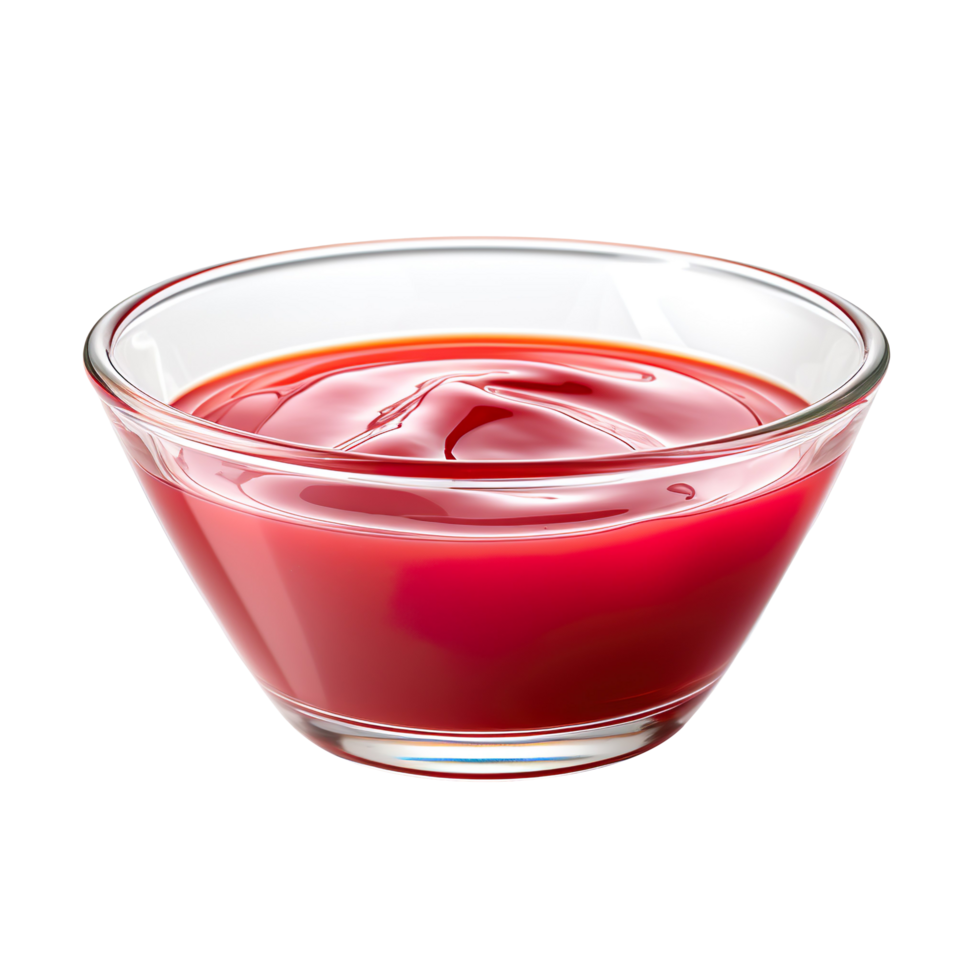
Share
TL;DR
Generally speaking, most traditional hot sauces are gluten-free as they are typically made from peppers, vinegar, and spices, which do not contain gluten. However, it’s always important to check the label or contact the manufacturer to be certain, as some specialty hot sauces may contain gluten-containing additives or be produced in facilities that process gluten-containing products.
Quick Tips
1Boosts metabolism: Capsaicin, the compound that gives peppers their heat, can temporarily increase metabolic rate.
2May reduce appetite: Some studies suggest that spicy foods can help reduce hunger and calorie intake.
3Contains antioxidants: Many hot sauces are made with peppers rich in vitamins A and C, which act as antioxidants.
# In Diesem Artikel
3 AbschnitteSchnelle Navigation zu jedem Abschnitt dieses Artikels:
1 Benefits of Hot Sauce
Boosts metabolism: Capsaicin, the compound that gives peppers their heat, can temporarily increase metabolic rate.
Springe2 Who should avoid Hot Sauce
Individuals with acid reflux or GERD (Gastroesophageal reflux disease)
Springe3 Related Gluten Free Products
Here are five gluten-free options similar to hot sauce, along with short descriptions:
SpringeBenefits of Hot Sauce
| Benefits of Hot Sauce |
|---|
| Boosts metabolism: Capsaicin, the compound that gives peppers their heat, can temporarily increase metabolic rate. |
| May reduce appetite: Some studies suggest that spicy foods can help reduce hunger and calorie intake. |
| Contains antioxidants: Many hot sauces are made with peppers rich in vitamins A and C, which act as antioxidants. |
| Potential pain relief: Capsaicin has been shown to have pain-relieving properties when applied topically. |
| May lower blood pressure: Some research indicates that capsaicin might help reduce blood pressure. |
| Possible antibacterial properties: Certain compounds in hot peppers may have antibacterial effects. |
| Could improve digestive health: Spicy foods may stimulate digestive juices and benefit gut health. |
| Potential mood booster: Eating spicy foods can trigger the release of endorphins, potentially improving mood. |
| May have anti-inflammatory effects: Some compounds in peppers have shown anti-inflammatory properties in studies. |
| Supports heart health: Capsaicin may help reduce cholesterol levels and improve blood flow.Remember, moderation is key, as excessive consumption of hot sauce can lead to digestive discomfort for some people. |
Who should avoid Hot Sauce
| Who should avoid Hot Sauce |
|---|
| Individuals with acid reflux or GERD (Gastroesophageal reflux disease) |
| People with stomach ulcers or other gastrointestinal disorders |
| Those with irritable bowel syndrome (IBS) |
| Individuals with hemorrhoids or anal fissures |
| People with chronic heartburn |
| Those with a known allergy or sensitivity to capsaicin (the active component in chili peppers) |
| Individuals taking certain medications that may interact with spicy foods (e.g., blood thinners) |
| People with a history of severe migraines triggered by spicy foods |
| Those recovering from recent gastrointestinal surgery |
| Individuals with a low spice tolerance or sensitive palate |
| Pregnant women (in large amounts, as it may cause heartburn) |
| Young children, as their digestive systems may be more sensitive |
| People with certain skin conditions that may be aggravated by handling hot peppers |
| Those with chronic mouth or tongue soresRemember, individual tolerances vary, and it’s always best to consult with a healthcare professional if you have concerns about consuming hot sauce. |
Related Gluten Free Products
Here are five gluten-free options similar to hot sauce, along with short descriptions:
| Related Gluten Free Products |
|---|
| Salsa:A chunky or smooth sauce made from tomatoes, onions, peppers, and spices. It can range from mild to spicy and is often used as a dip or condiment. |
| Harissa:A North African chili paste made from roasted red peppers, hot chili peppers, garlic, olive oil, and spices. It adds a spicy, smoky flavor to dishes. |
| Sriracha:A Thai-inspired hot sauce made from chili peppers, garlic, sugar, salt, and vinegar. It has a thick consistency and a balanced sweet-spicy flavor. |
| Chimichurri:An Argentinian sauce made from finely chopped parsley, garlic, olive oil, oregano, and vinegar. It's herbaceous and tangy, often used on grilled meats. |
| Gochujang:A Korean fermented red chili paste made from glutinous rice, fermented soybeans, salt, and red chili powder. It has a complex, sweet-spicy-umami flavor. |
Health Information
? Häufig Gestellte Fragen
3 Fragen1 Is Frank's original hot sauce gluten free?
2 What sauces are not gluten-free?
3 Is tabasco sauce safe for celiac?
Unsere Expertin
Drs. Ilse van Asperen
Orthomolekulare Therapeutin, Ernährungscoach & Professionelle Redakteurin
Drs. Ilse van Asperen ist Ärztin und spezialisiert auf orthomolekulare Therapie und Ernährungscoaching. Mit einem Hintergrund in öffentlicher und klinischer Gesundheitsforschung sowie Management konzentriert sie sich darauf, die Ursachen von Gesundheitsproblemen durch Ernährung, Darmgesundheit und Stressreduktion anzugehen. Als professionelle Redakteurin für Little Helpers prüft sie alle glutenfreien Inhalte auf Genauigkeit, Sicherheit und wissenschaftliche Glaubwürdigkeit. Mehr auf der eigenen Website von Drs. Ilse van Asperen lesen
Unsere Quellen
Die Informationen auf dieser Seite basieren auf renommierten Gesundheits- und Ernährungsorganisationen und bieten dadurch hohe Genauigkeit und Zuverlässigkeit für alle, die sich glutenfrei ernähren. Weitere Details finden Sie in den folgenden Quellen.