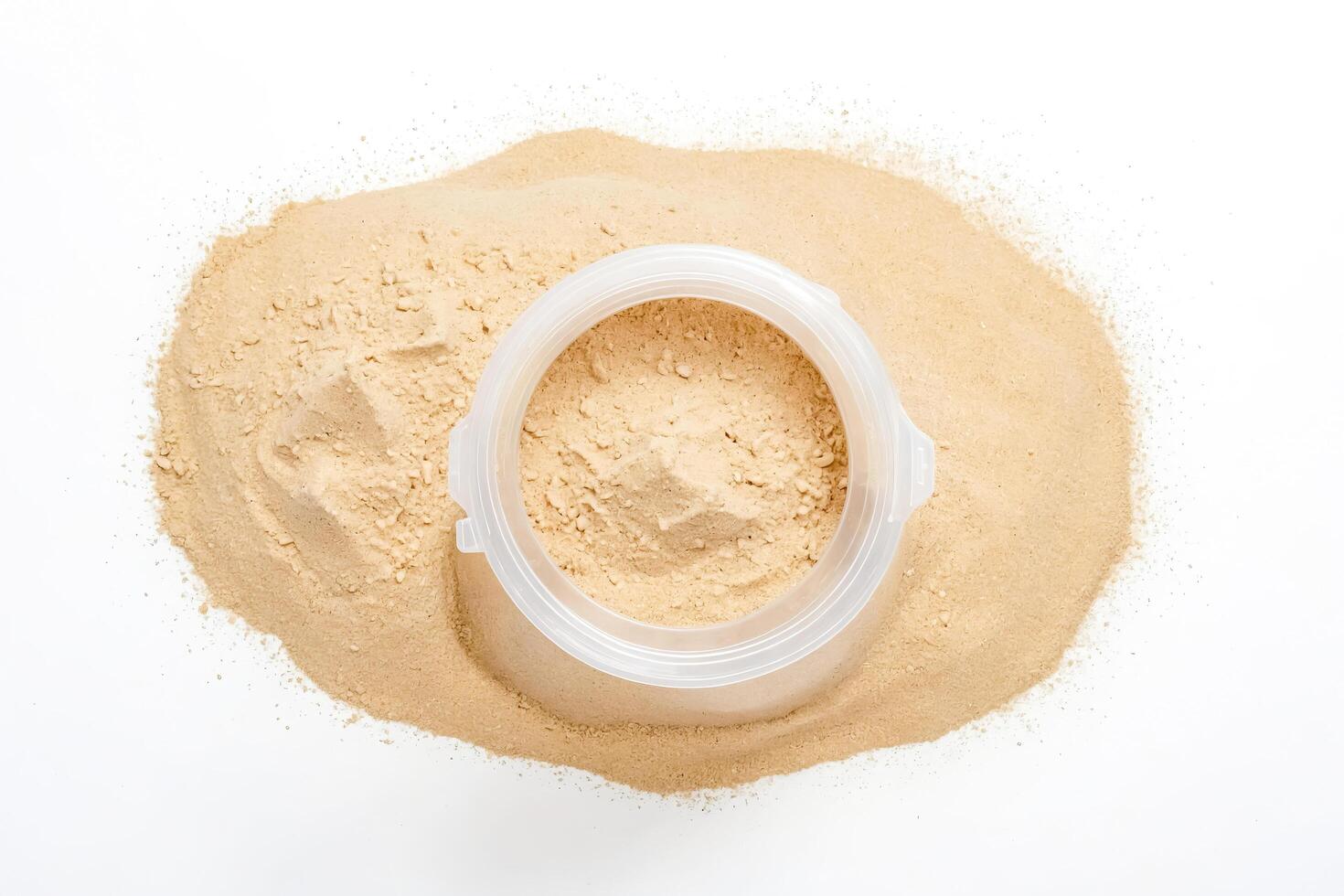
Is Hydrolyzed Wheat Protein Gluten Free?

Is Hydrolyzed Wheat Protein Gluten Free?

Hydrolyzed wheat protein is not considered gluten-free because it is derived from wheat, which contains gluten. While the hydrolysis process breaks down proteins, it may not completely eliminate all gluten proteins, so individuals with celiac disease or gluten sensitivity should avoid products containing hydrolyzed wheat protein.

TL;DR

Hydrolyzed wheat protein is not considered gluten-free because it is derived from wheat, which contains gluten. While the hydrolysis process breaks down proteins, it may not completely eliminate all gluten proteins, so individuals with celiac disease or gluten sensitivity should avoid products containing hydrolyzed wheat protein.

Quick Tips

1

Hair health: – Strengthens hair strands – Improves hair elasticity – Helps repair damaged hair – Adds volume and shine to hair – Reduces frizz and improves manageability

2

Skin benefits: – Moisturizes and hydrates skin – Improves skin elasticity – Helps reduce the appearance of fine lines and wrinkles – Forms a protective barrier on the skin – May help in wound healing

3

Nail health: – Strengthens nails – Helps prevent brittleness

# In Diesem Artikel

3 Abschnitte

Schnelle Navigation zu jedem Abschnitt dieses Artikels:

1 Benefits of Hydrolyzed Wheat Protein

Hair health: – Strengthens hair strands – Improves hair elasticity – Helps repair damaged hair – Adds volume and shine to hair – Reduces frizz and improves manageability

Springe
2 Who should avoid Hydrolyzed Wheat Protein

People with celiac disease

Springe
3 Gluten Free Alternatives

Here are five gluten-free alternatives to Hydrolyzed Wheat Protein, along with short descriptions:

Springe

Benefits of Hydrolyzed Wheat Protein

Benefits of Hydrolyzed Wheat Protein
Hair health: – Strengthens hair strands – Improves hair elasticity – Helps repair damaged hair – Adds volume and shine to hair – Reduces frizz and improves manageability
Skin benefits: – Moisturizes and hydrates skin – Improves skin elasticity – Helps reduce the appearance of fine lines and wrinkles – Forms a protective barrier on the skin – May help in wound healing
Nail health: – Strengthens nails – Helps prevent brittleness
Nutritional benefits: – Contains essential amino acids – Provides a source of plant-based protein
Digestive health: – Easier to digest than whole wheat protein – May be better tolerated by some individuals with mild gluten sensitivities
Athletic performance: – Supports muscle recovery and growth – May help improve exercise performance
Anti-aging properties: – Contains antioxidants that help fight free radicals – May slow down the aging process of skin cells
Versatility in products: – Can be used in various personal care and food products – Suitable for vegetarian and vegan dietsIt’s important to note that while Hydrolyzed Wheat Protein offers these benefits, individuals with celiac disease or severe gluten allergies should avoid it, as it still contains gluten proteins.

Who should avoid Hydrolyzed Wheat Protein

Who should avoid Hydrolyzed Wheat Protein
People with celiac disease
Individuals with wheat allergies
Those with gluten sensitivity or intolerance
People following a gluten-free diet for health reasons
Individuals with dermatitis herpetiformis (a skin condition associated with gluten sensitivity)
Those with wheat-dependent exercise-induced anaphylaxis
People with baker’s asthma (occupational asthma caused by wheat flour inhalation)
Individuals following a grain-free or paleo diet
Those with non-celiac wheat sensitivity
People with diagnosed wheat-related disorders
Individuals who experience adverse reactions to wheat or gluten-containing productsRemember that if you suspect you have an allergy or sensitivity to wheat or gluten, it’s important to consult with a healthcare professional for proper diagnosis and advice.
GENIESSE DEIN LIEBLINGSESSEN OHNE ANGST!
Lass dich von Gluten nicht aufhalten. Nimm Anti-Gluten-Pillen vor deiner Mahlzeit und genieße mit Seelenfrieden.
ANTI-GLUTEN-PILLEN KAUFEN
Klinisch erwiesen · Bis zu 86% Glutenreduktion · Schnell wirkend

Gluten Free Alternatives

Here are five gluten-free alternatives to Hydrolyzed Wheat Protein, along with short descriptions:

Gluten Free Alternatives
Hydrolyzed Pea Protein:Derived from yellow peas, this protein is easily digestible and rich in amino acids. It's hypoallergenic and provides similar moisturizing and strengthening properties to hair and skin as wheat protein.
Hydrolyzed Rice Protein:Extracted from brown rice, this protein is gentle on skin and hair. It helps improve moisture retention, adds shine to hair, and can strengthen the hair shaft. It's also known for its ability to reduce irritation in sensitive skin.
Hydrolyzed Soy Protein:This plant-based protein is derived from soybeans and is rich in amino acids. It can help improve hair's elasticity, moisture retention, and overall strength. In skincare, it can help smooth and soften the skin.
Hydrolyzed Oat Protein:Despite oats being a grain, most hydrolyzed oat proteins are gluten-free. This protein is known for its soothing and moisturizing properties. It can help reduce irritation in sensitive skin and add volume to hair.
Hydrolyzed Quinoa Protein:Quinoa is a complete protein containing all nine essential amino acids. In cosmetic applications, it can help strengthen hair, improve moisture retention in both hair and skin, and provide a protective film on the skin and hair.These alternatives can be used in various cosmetic and personal care products, offering similar benefits to hydrolyzed wheat protein without the gluten content.

Health Information

? Häufig Gestellte Fragen

3 Fragen
1 Is hydrolyzed protein gluten-free?
Hydrolyzed protein can be gluten-free, but it depends on the source. Proteins derived from wheat, barley, or rye contain gluten and are not gluten-free. However, hydrolyzed proteins from other sources like soy, corn, or rice are naturally gluten-free. It's important to check the specific source of hydrolyzed protein in a product to determine if it's gluten-free.
2 How much gluten is in hydrolyzed wheat?
The amount of gluten in hydrolyzed wheat can vary depending on the specific hydrolysis process used. Generally, hydrolyzed wheat contains significantly less gluten than regular wheat products. However, it may still contain trace amounts of gluten, which can be problematic for individuals with celiac disease or severe gluten sensitivity. For those who need to strictly avoid gluten, it's best to consult with a medical professional or choose certified gluten-free alternatives.
3 What does hydrolyzed wheat protein mean?
Hydrolyzed wheat protein is a product derived from wheat that has undergone hydrolysis, a process that breaks down proteins into smaller peptides and amino acids. This process makes the protein more easily absorbed by the body and can improve its functional properties in various applications. Hydrolyzed wheat protein is commonly used in food products, cosmetics, and hair care items due to its moisturizing and conditioning properties. It's important to note that while the hydrolysis process can reduce allergenicity, individuals with severe wheat allergies or celiac disease should still exercise caution with products containing hydrolyzed wheat protein.
LEBE GLUTENFREI OHNE AUFWAND!
Entdecke Tolerase® G, klinisch erwiesen, bis zu 86% des Glutens in unter 10 Minuten abzubauen. Erlebe die Freiheit zu essen, was du liebst.
ANTI-GLUTEN-PILLEN KAUFEN
150mg reines Tolerase® G · Reduziert Gluten um 86% · Unter 10 Minuten

Unsere Expertin

Drs. Ilse van Asperen, Orthomolecular Therapist and Nutritional Coach

Drs. Ilse van Asperen

Orthomolekulare Therapeutin, Ernährungscoach & Professionelle Redakteurin

Drs. Ilse van Asperen ist Ärztin und spezialisiert auf orthomolekulare Therapie und Ernährungscoaching. Mit einem Hintergrund in öffentlicher und klinischer Gesundheitsforschung sowie Management konzentriert sie sich darauf, die Ursachen von Gesundheitsproblemen durch Ernährung, Darmgesundheit und Stressreduktion anzugehen. Als professionelle Redakteurin für Little Helpers prüft sie alle glutenfreien Inhalte auf Genauigkeit, Sicherheit und wissenschaftliche Glaubwürdigkeit. Mehr auf der eigenen Website von Drs. Ilse van Asperen lesen

Unsere Quellen

Die Informationen auf dieser Seite basieren auf renommierten Gesundheits- und Ernährungsorganisationen und bieten dadurch hohe Genauigkeit und Zuverlässigkeit für alle, die sich glutenfrei ernähren. Weitere Details finden Sie in den folgenden Quellen.

Quellen

Ähnliche Artikel

Zurück zum Blog