Is Imitation Crab Meat Gluten Free?

Is Imitation Crab Meat Gluten Free?

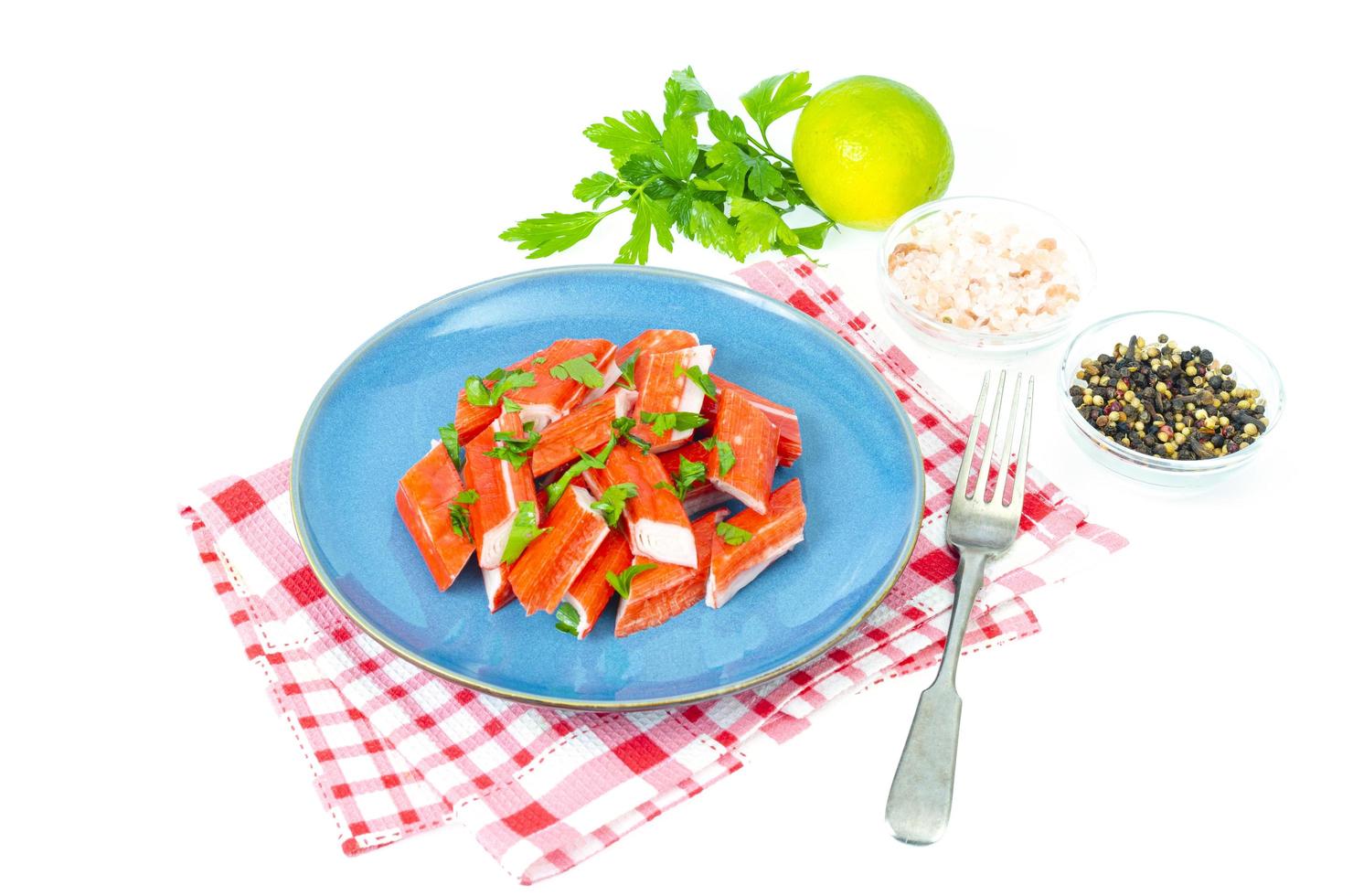
Imitation crab meat typically contains wheat starch or other gluten-containing ingredients as binders, making it not gluten-free. However, there are some brands that produce gluten-free versions of imitation crab meat using alternative starches, so it’s important to carefully check labels if you require a gluten-free product.

TL;DR

Imitation crab meat typically contains wheat starch or other gluten-containing ingredients as binders, making it not gluten-free. However, there are some brands that produce gluten-free versions of imitation crab meat using alternative starches, so it’s important to carefully check labels if you require a gluten-free product.

Quick Tips

1

Low in calories: Typically contains fewer calories than real crab meat, making it a good option for weight management.

2

Low in fat: Generally has less fat content compared to many other protein sources.

3

Good source of protein: Provides a moderate amount of protein, which is essential for muscle building and repair.

# In Diesem Artikel

3 Abschnitte

Schnelle Navigation zu jedem Abschnitt dieses Artikels:

1 Benefits of Imitation Crab Meat

Low in calories: Typically contains fewer calories than real crab meat, making it a good option for weight management.

Springe
2 Who should avoid Imitation Crab Meat

People with shellfish allergies: Although imitation crab doesn’t contain real crab, it often contains other types of seafood like pollock, which may trigger allergic reactions.

Springe
3 Gluten Free Alternatives

Here are five gluten-free alternatives to imitation crab meat, along with short descriptions:

Springe

Benefits of Imitation Crab Meat

Benefits of Imitation Crab Meat
Low in calories: Typically contains fewer calories than real crab meat, making it a good option for weight management.
Low in fat: Generally has less fat content compared to many other protein sources.
Good source of protein: Provides a moderate amount of protein, which is essential for muscle building and repair.
Contains omega-3 fatty acids: While not as high as in real crab, it still provides some heart-healthy omega-3s.
Low in mercury: Unlike some seafood, imitation crab is very low in mercury, making it safer for frequent consumption.
Source of phosphorus: Contains phosphorus, which is important for bone health.
Provides selenium: Contains selenium, an antioxidant that supports immune function and thyroid health.
Fortified with vitamins and minerals: Some brands are fortified with additional nutrients like vitamin B12 and vitamin C.
Gluten-free options available: For those with gluten sensitivities, some brands offer gluten-free versions.
Affordable source of seafood flavor: Provides a budget-friendly way to incorporate seafood-like taste into diets.Remember that while these benefits exist, imitation crab meat is a processed food and should be consumed in moderation as part of a balanced diet.

Who should avoid Imitation Crab Meat

Who should avoid Imitation Crab Meat
People with shellfish allergies: Although imitation crab doesn’t contain real crab, it often contains other types of seafood like pollock, which may trigger allergic reactions.
Individuals with soy allergies: Many brands of imitation crab contain soy as a binding ingredient.
Those with gluten sensitivities or celiac disease: Some imitation crab products contain wheat-based starches.
People with egg allergies: Egg whites are sometimes used as a binding agent in imitation crab.
Individuals on a low-sodium diet: Imitation crab is often high in sodium.
Those watching their sugar intake: Some brands add sugar to enhance flavor.
People with MSG sensitivities: Monosodium glutamate is sometimes used as a flavor enhancer in imitation crab.
Individuals following a kosher diet: Imitation crab is typically not kosher.
Pregnant women: Due to the potential for foodborne illness and the uncertainty of all ingredients used.
Those on a whole foods or clean eating diet: Imitation crab is a highly processed food product.
Individuals with certain food dye sensitivities: Some brands use artificial coloring.Always check the ingredient list and consult with a healthcare professional if you have specific dietary concerns or restrictions.
GENIESSE DEIN LIEBLINGSESSEN OHNE ANGST!
Lass dich von Gluten nicht aufhalten. Nimm Anti-Gluten-Pillen vor deiner Mahlzeit und genieße mit Seelenfrieden.
ANTI-GLUTEN-PILLEN KAUFEN
Klinisch erwiesen · Bis zu 86% Glutenreduktion · Schnell wirkend

Gluten Free Alternatives

Here are five gluten-free alternatives to imitation crab meat, along with short descriptions:

Gluten Free Alternatives
Surimi made from fish other than pollock: Some manufacturers produce surimi (the base for imitation crab) using gluten-free ingredients and fish like tilapia or white fish. This option closely resembles traditional imitation crab in texture and flavor.
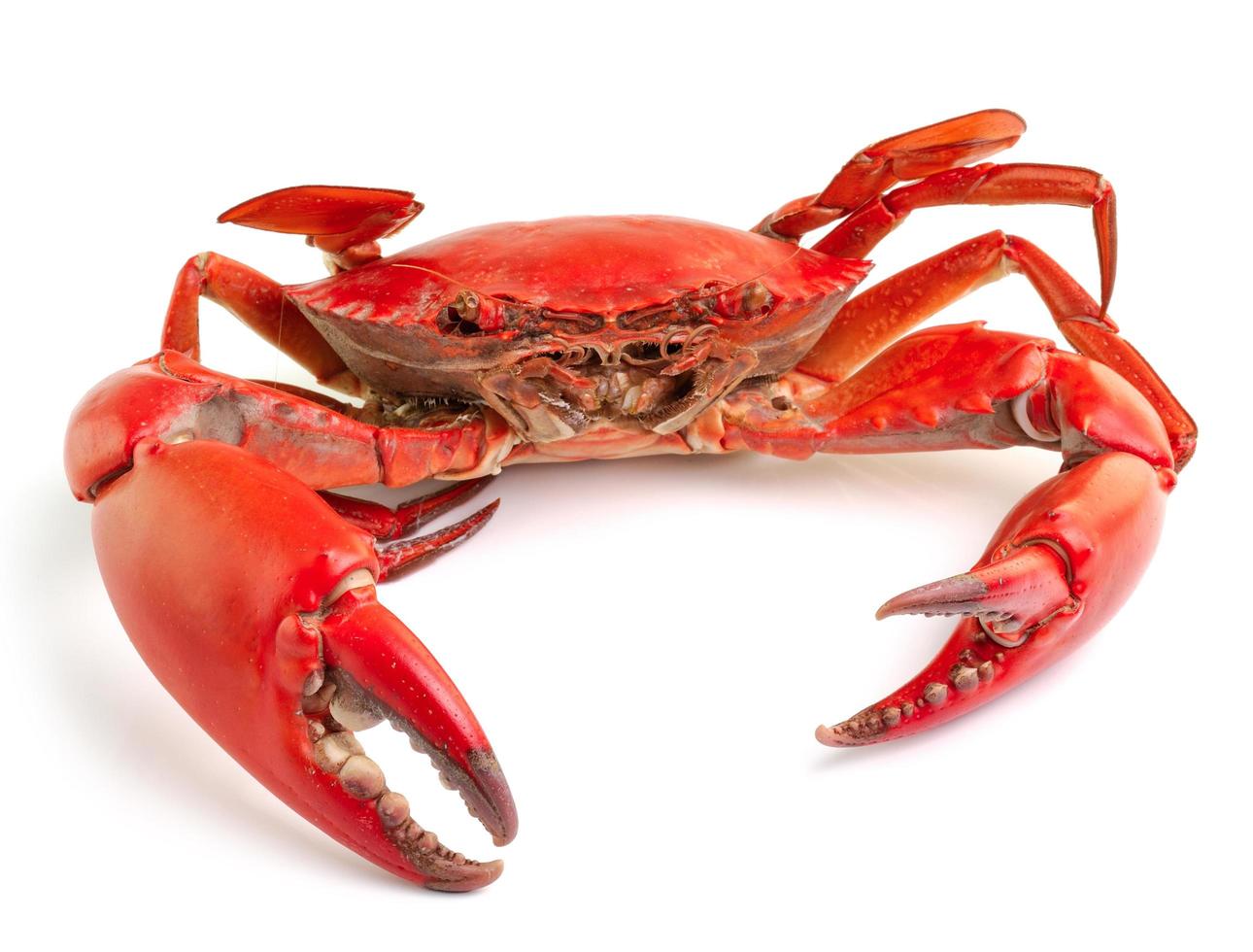
Real crab meat: Authentic crab meat is naturally gluten-free and provides a genuine seafood flavor. It's available in various forms, including lump, claw, and shredded, offering versatility in recipes.
Shrimp: As a gluten-free seafood option, shrimp can be a great substitute in many dishes that call for imitation crab. It offers a similar texture and can be flavored to mimic crab taste.
Hearts of palm: This vegetable alternative has a mild flavor and flaky texture that can be seasoned to resemble crab meat. It's plant-based, gluten-free, and works well in salads and other cold dishes.
Jackfruit: When young and unripe, jackfruit has a neutral flavor and fibrous texture that can be seasoned to mimic crab meat. It's a popular plant-based, gluten-free alternative used in various dishes, including "crab" cakes.

Health Information

? Häufig Gestellte Fragen

3 Fragen
1 Can celiacs eat imitation crab?
Celiacs should generally avoid imitation crab. Most imitation crab contains wheat starch as a binding agent, making it unsafe for those with celiac disease. However, some brands may offer gluten-free versions of imitation crab, so it's essential to carefully check labels. If in doubt, it's best for celiacs to avoid imitation crab and opt for real crab meat instead.
2 Does imitation meat have gluten?
Imitation meat can vary in its ingredients and gluten content. Some imitation meat products are gluten-free, while others may contain gluten. It's important to check the ingredient list or look for a gluten-free label on the packaging. If you have celiac disease or gluten sensitivity, always verify the gluten status of imitation meat products before consuming them.
3 Does imitation lobster have gluten?
Imitation lobster, also known as surimi or crab stick, often contains gluten. The primary ingredient is usually fish paste, but wheat starch or other gluten-containing additives are frequently used as binders. However, some brands do offer gluten-free versions of imitation lobster. It's important to carefully check the ingredient list or look for a gluten-free label if you need to avoid gluten.
LEBE GLUTENFREI OHNE AUFWAND!
Entdecke Tolerase® G, klinisch erwiesen, bis zu 86% des Glutens in unter 10 Minuten abzubauen. Erlebe die Freiheit zu essen, was du liebst.
ANTI-GLUTEN-PILLEN KAUFEN
150mg reines Tolerase® G · Reduziert Gluten um 86% · Unter 10 Minuten

Unsere Expertin

Drs. Ilse van Asperen, Orthomolecular Therapist and Nutritional Coach

Drs. Ilse van Asperen

Orthomolekulare Therapeutin, Ernährungscoach & Professionelle Redakteurin

Drs. Ilse van Asperen ist Ärztin und spezialisiert auf orthomolekulare Therapie und Ernährungscoaching. Mit einem Hintergrund in öffentlicher und klinischer Gesundheitsforschung sowie Management konzentriert sie sich darauf, die Ursachen von Gesundheitsproblemen durch Ernährung, Darmgesundheit und Stressreduktion anzugehen. Als professionelle Redakteurin für Little Helpers prüft sie alle glutenfreien Inhalte auf Genauigkeit, Sicherheit und wissenschaftliche Glaubwürdigkeit. Mehr auf der eigenen Website von Drs. Ilse van Asperen lesen

Unsere Quellen

Die Informationen auf dieser Seite basieren auf renommierten Gesundheits- und Ernährungsorganisationen und bieten dadurch hohe Genauigkeit und Zuverlässigkeit für alle, die sich glutenfrei ernähren. Weitere Details finden Sie in den folgenden Quellen.
Quellen

Ähnliche Artikel

Zurück zum Blog