Share
TL;DR
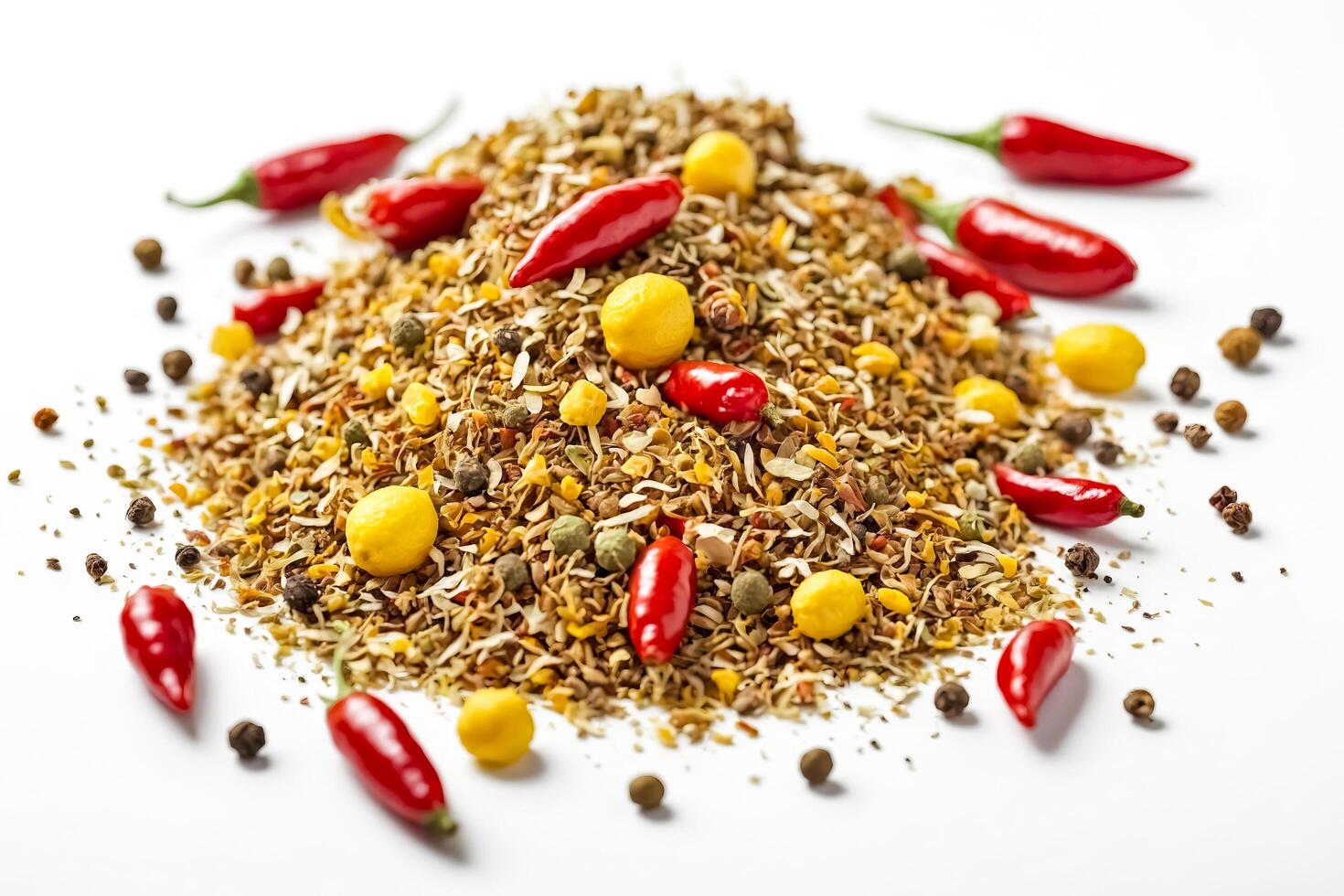
Greek seasoning typically consists of a blend of herbs and spices such as oregano, basil, thyme, garlic powder, salt, and pepper, which are naturally gluten-free. However, some commercially prepared Greek seasoning blends may contain additives or anti-caking agents that could potentially contain gluten, so it’s always best to check the label or contact the manufacturer to be certain.
Quick Tips
1Rich in antioxidants: Many herbs and spices in Greek seasoning, like oregano and garlic, are high in antioxidants that help fight free radicals in the body.
2Anti-inflammatory properties: Ingredients like rosemary and thyme have anti-inflammatory effects, which may help reduce chronic inflammation.
3Digestive aid: Certain components, such as marjoram and fennel, can help improve digestion and relieve gastrointestinal discomfort.
# In Diesem Artikel
3 AbschnitteSchnelle Navigation zu jedem Abschnitt dieses Artikels:
1 Benefits of Greek Seasoning
Rich in antioxidants: Many herbs and spices in Greek seasoning, like oregano and garlic, are high in antioxidants that help fight free radicals in the body.
Springe2 Who should avoid Greek Seasoning
Those with allergies to any of the ingredients commonly found in Greek seasoning, such as: – Oregano – Basil – Thyme – Garlic – Onion – Salt – Pepper
Springe3 Related Gluten Free Products
Here are five gluten-free options similar to Greek Seasoning, along with short descriptions:
SpringeBenefits of Greek Seasoning
| Benefits of Greek Seasoning |
|---|
| Rich in antioxidants: Many herbs and spices in Greek seasoning, like oregano and garlic, are high in antioxidants that help fight free radicals in the body. |
| Anti-inflammatory properties: Ingredients like rosemary and thyme have anti-inflammatory effects, which may help reduce chronic inflammation. |
| Digestive aid: Certain components, such as marjoram and fennel, can help improve digestion and relieve gastrointestinal discomfort. |
| Immune system boost: Garlic and oregano, common ingredients in Greek seasoning, are known to support immune function. |
| Heart health: Some herbs like oregano and garlic may help lower blood pressure and improve cholesterol levels. |
| Antimicrobial effects: Many herbs in Greek seasoning have natural antimicrobial properties that can help fight harmful bacteria. |
| Improved nutrient absorption: Some spices can enhance the absorption of nutrients from other foods. |
| Weight management: Using flavorful seasoning can reduce the need for excess salt or unhealthy fats in cooking. |
| Blood sugar regulation: Certain spices like cinnamon (sometimes included in Greek seasoning) may help regulate blood sugar levels. |
| Mood enhancement: The aroma of herbs like basil and oregano can have a positive effect on mood and stress levels.Remember that while these potential benefits exist, the impact will depend on the specific blend of herbs and spices in the Greek seasoning and the quantity consumed. |
Who should avoid Greek Seasoning
| Who should avoid Greek Seasoning |
|---|
| Those with allergies to any of the ingredients commonly found in Greek seasoning, such as: – Oregano – Basil – Thyme – Garlic – Onion – Salt – Pepper |
| Individuals on a low-sodium diet, as Greek seasoning often contains salt |
| People with acid reflux or GERD, as some spices may trigger symptoms |
| Those with IBS (Irritable Bowel Syndrome) who are sensitive to certain herbs and spices |
| Individuals taking blood-thinning medications, as some herbs may interact with these drugs |
| People with a history of kidney stones, as some spices may increase the risk of stone formation |
| Those with certain gastrointestinal conditions that may be aggravated by spicy foods |
| Pregnant women should consult their doctor before using large amounts of herbal seasoning blends |
| Young children, as their digestive systems may be more sensitive to certain spices |
| Anyone with a known sensitivity or intolerance to any of the common ingredients in Greek seasoningIt’s always best to check the specific ingredients in the Greek seasoning blend you’re using and consult with a healthcare professional if you have any concerns about its use in your diet. |
Related Gluten Free Products
Here are five gluten-free options similar to Greek Seasoning, along with short descriptions:
| Related Gluten Free Products |
|---|
| Italian Seasoning Blend: A versatile mix of dried herbs typically including basil, oregano, rosemary, thyme, and marjoram. It's great for Mediterranean-inspired dishes and can be used in marinades, dressings, and sauces. |
| Herbs de Provence: A French herb blend usually containing thyme, basil, rosemary, tarragon, savory, marjoram, oregano, and sometimes lavender. It's excellent for roasted meats, vegetables, and soups. |
| Za'atar: A Middle Eastern spice blend made with dried herbs like thyme and oregano, sesame seeds, and sumac. It's often used as a condiment or seasoning for bread, meats, and vegetables. |
| Cajun Seasoning: A spicy blend originating from Louisiana, typically including paprika, cayenne, garlic powder, onion powder, and various herbs. It's great for adding heat and flavor to meat, fish, and rice dishes. |
| Lemon Pepper Seasoning: A simple but flavorful blend of lemon zest and cracked black pepper, sometimes with additional herbs and spices. It's perfect for seasoning poultry, fish, and vegetables, offering a bright, tangy flavor profile.These seasoning blends offer diverse flavor profiles and can be used in a variety of dishes, providing gluten-free alternatives to Greek Seasoning. |
Health Information
? Häufig Gestellte Fragen
3 Fragen1 What is Greek seasoning made of?
2 Is Cavender's all Greek seasoning gluten-free?
3 What seasonings are not gluten-free?
Unsere Expertin
Drs. Ilse van Asperen
Orthomolekulare Therapeutin, Ernährungscoach & Professionelle Redakteurin
Drs. Ilse van Asperen ist Ärztin und spezialisiert auf orthomolekulare Therapie und Ernährungscoaching. Mit einem Hintergrund in öffentlicher und klinischer Gesundheitsforschung sowie Management konzentriert sie sich darauf, die Ursachen von Gesundheitsproblemen durch Ernährung, Darmgesundheit und Stressreduktion anzugehen. Als professionelle Redakteurin für Little Helpers prüft sie alle glutenfreien Inhalte auf Genauigkeit, Sicherheit und wissenschaftliche Glaubwürdigkeit. Mehr auf der eigenen Website von Drs. Ilse van Asperen lesen
Unsere Quellen
Die Informationen auf dieser Seite basieren auf renommierten Gesundheits- und Ernährungsorganisationen und bieten dadurch hohe Genauigkeit und Zuverlässigkeit für alle, die sich glutenfrei ernähren. Weitere Details finden Sie in den folgenden Quellen.