Share
TL;DR
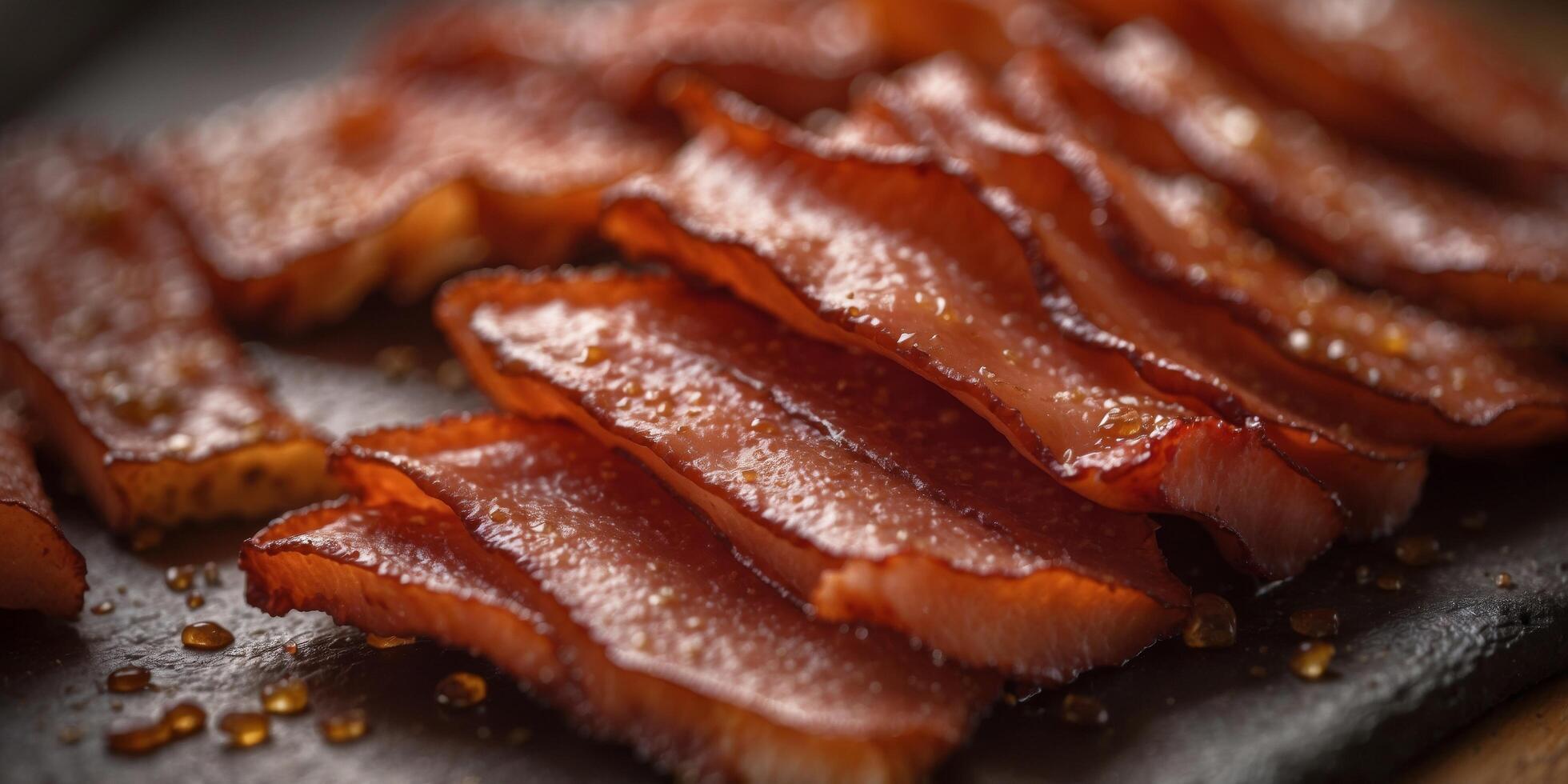
Yes, bacon is typically gluten-free as it’s made from pork and doesn’t naturally contain gluten. However, some flavored or processed bacon products may contain gluten-containing additives, so it’s always best to check the label if you have celiac disease or gluten sensitivity.
Quick Tips
1Rich source of protein, providing essential amino acids
2Contains several important nutrients like B vitamins, selenium, and phosphorus
3Can be a good source of energy due to its fat content
# In This Article
3 sectionsQuick navigation to each section of this article:
Benefits of Bacon
| Benefits of Bacon |
|---|
| Rich source of protein, providing essential amino acids |
| Contains several important nutrients like B vitamins, selenium, and phosphorus |
| Can be a good source of energy due to its fat content |
| May help with feelings of fullness and satiety |
| Contains choline, which is important for brain health |
| Provides conjugated linoleic acid (CLA), which may have some health benefits |
| Can be part of a balanced diet when consumed in moderation |
| Often used as a flavor enhancer, allowing for less salt in some recipes |
| Available in different varieties (e.g., turkey bacon) to suit different dietary needsIt’s important to note that while bacon has these benefits, it should be consumed in moderation as part of a balanced diet due to its high fat and sodium content. |
Who should avoid Bacon
| Who should avoid Bacon |
|---|
| People with high blood pressure or hypertension |
| Individuals with high cholesterol levels |
| Those at risk for heart disease or stroke |
| People with a history of cardiovascular issues |
| Individuals with diabetes or at risk for developing diabetes |
| Those following a low-sodium diet |
| People with kidney disease or reduced kidney function |
| Individuals trying to lose weight or maintain a healthy weight |
| Those following specific religious dietary restrictions (e.g., Muslims, Jews adhering to kosher laws) |
| Pregnant women (due to the risk of listeria contamination in some processed meats) |
| People with certain types of cancer or a family history of colorectal cancer |
| Individuals with gout or at risk for developing gout |
| Those with liver disease or reduced liver function |
| People following a vegetarian or vegan lifestyle |
| Individuals with specific food allergies or sensitivities to pork productsRemember that while these groups should be particularly cautious, it’s generally advisable for everyone to consume bacon and other processed meats in moderation due to their high fat, salt, and preservative content. |
Related Gluten Free Products
Here are five gluten-free options similar to bacon:
| Related Gluten Free Products |
|---|
| Tempeh: Tempeh is made from fermented soybeans and is a popular plant-based protein option. When sliced thin and marinated in smoky sauces, it can mimic the savory flavor of bacon. |
| Coconut Bacon: A vegan option made from coconut flakes seasoned with smoky flavors, providing a crunchy texture and bacon-like taste without any meat. |
| Mushroom Bacon: Mushroom bacon is created by thinly slicing mushrooms (such as shiitake or portobello), marinating them in a mixture of tamari and olive oil, and then baking until crispy. |
| Eggplant Bacon: Eggplant bacon is made by slicing eggplant thinly, marinating it in a smoky-sweet sauce, and baking until crispy. This alternative is low in calories and high in fiber, making it a nutritious option for those looking to reduce meat consumption. |
| Buckwheat Bacon Bits: Buckwheat bacon bits are made from buckwheat groats that are seasoned with liquid smoke, molasses, and other spices before being baked until crispy. This option is gluten-free and provides a crunchy texture similar to traditional bacon bits. |
Health Information
? Frequently Asked Questions
2 questions1 Which brands of bacon are gluten-free?
2 Is fully cooked bacon gluten free?
Our Expert
Drs. Ilse van Asperen
Orthomolecular Therapist, Nutritional Coach & Professional Editor
Drs. Ilse van Asperen is a medical doctor specialising in orthomolecular therapy and nutritional coaching. With a background in public and clinical health research and management, she focuses on addressing the root causes of health issues through diet, gut health, and stress reduction. As a professional editor for Little Helpers, she reviews all gluten-free content to ensure accuracy, safety, and scientific credibility. Read more on Drs. Ilse van Asperen's own website
Our Sources
The information on this page is based on reputable health and nutrition organisations, ensuring accuracy and reliability for anyone following a gluten-free diet. For further details, see the sources below.