Share
TL;DR
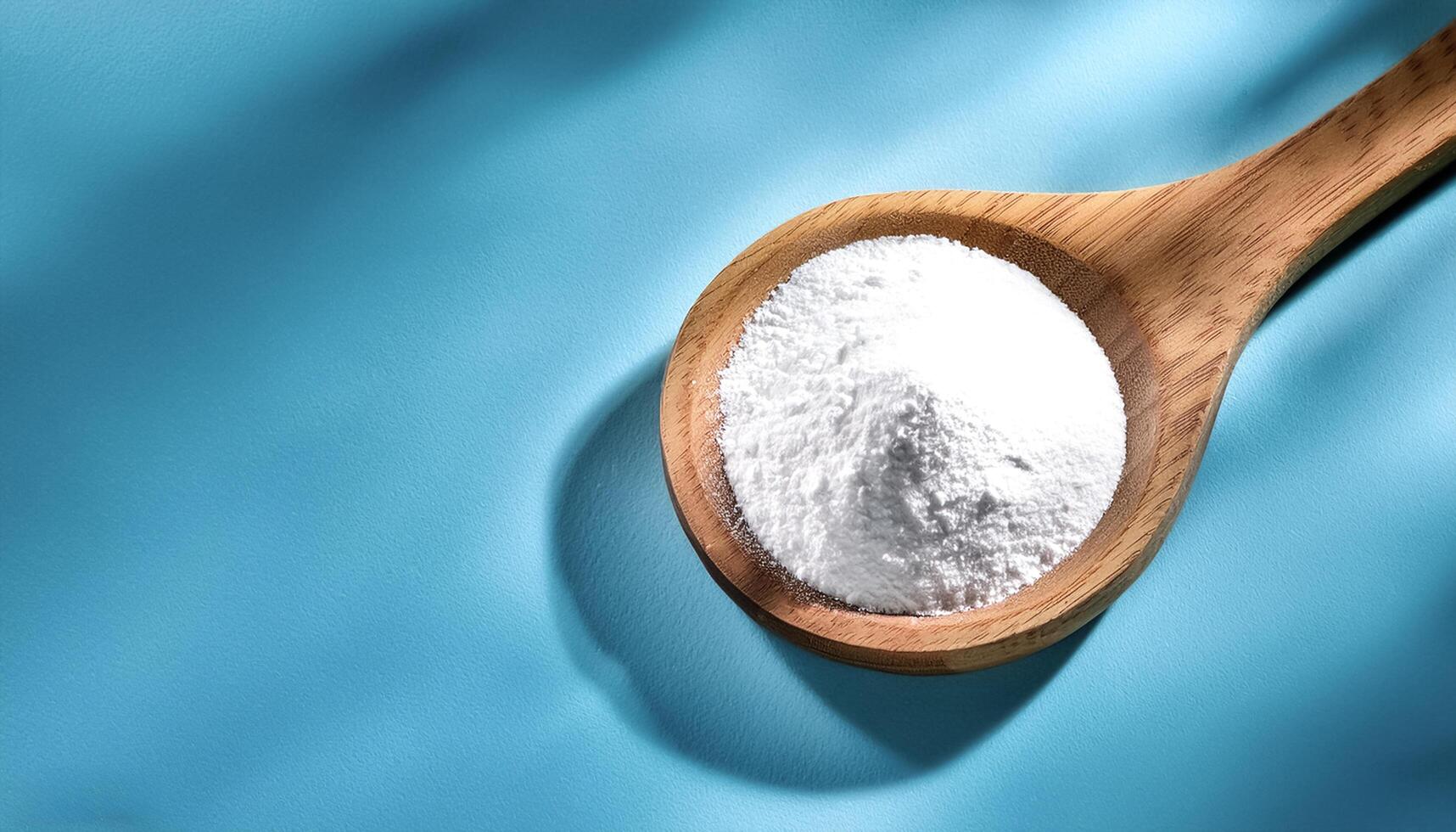
Yes, baking soda is gluten-free. It is a pure, naturally occurring substance (sodium bicarbonate) that does not contain any gluten-containing ingredients.
Quick Tips
1Aids in digestive health by neutralizing stomach acid and relieving heartburn and indigestion
2May help improve kidney function in people with chronic kidney disease
3Can be used as a natural deodorant to neutralize body odors
# In This Article
3 sectionsQuick navigation to each section of this article:
1 Benefits of Baking Soda
Aids in digestive health by neutralizing stomach acid and relieving heartburn and indigestion
Jump2 Who should avoid Baking Soda
People with high blood pressure or on a sodium-restricted diet, as baking soda is high in sodium
Jump3 Related Gluten Free Products
Here are five similar gluten-free options to baking soda, along with short descriptions:
JumpBenefits of Baking Soda
| Benefits of Baking Soda |
|---|
| Aids in digestive health by neutralizing stomach acid and relieving heartburn and indigestion |
| May help improve kidney function in people with chronic kidney disease |
| Can be used as a natural deodorant to neutralize body odors |
| Helps relieve itching and discomfort from insect bites and minor skin irritations |
| May improve exercise performance by reducing lactic acid buildup in muscles |
| Acts as a natural teeth whitener and can help remove stains |
| Can be used as a mouthwash to freshen breath and kill bacteria |
| May help reduce inflammation and pain associated with certain health conditions |
| Can be used as a natural cleaning agent, which may reduce exposure to harsh chemicals |
| May help balance pH levels in the body |
| Can potentially slow the progression of chronic kidney disease when used under medical supervision |
| Might help alleviate symptoms of chemotherapy side effects, such as mouth sores |
| Can be used as a natural antacid to relieve acid reflux |
| May help in treating urinary tract infections by making the urine less acidicRemember that while baking soda has many potential benefits, it’s important to use it in moderation and consult with a healthcare professional before using it to treat any medical conditions. |
Who should avoid Baking Soda
| Who should avoid Baking Soda |
|---|
| People with high blood pressure or on a sodium-restricted diet, as baking soda is high in sodium |
| Individuals with kidney problems or kidney disease, as they may have difficulty processing the sodium in baking soda |
| Those with low calcium levels, as baking soda can lower calcium absorption |
| People taking certain medications, such as aspirin, digoxin, or diuretics, as baking soda may interact with these drugs |
| Pregnant women, unless specifically advised by their doctor |
| Individuals with edema or fluid retention issues |
| Those with alkalosis (when the body is too alkaline) |
| People with gastrointestinal issues like ulcers or irritable bowel syndrome, as baking soda can exacerbate symptoms |
| Anyone who has had a recent abdominal surgery |
| Children under 6 years old, unless directed by a pediatrician |
| People with appendicitis or suspected appendicitis |
| Those with heart disease, as excessive sodium intake can be harmfulAlways consult with a healthcare provider before using baking soda for medicinal purposes, especially if you have any pre-existing health conditions. |
Related Gluten Free Products
Here are five similar gluten-free options to baking soda, along with short descriptions:
| Related Gluten Free Products |
|---|
| Baking Powder: A leavening agent that combines baking soda with cream of tartar and sometimes cornstarch. It's used in baking to help batters and doughs rise without the need for yeast. |
| Cream of Tartar: A byproduct of wine production, this acidic powder is often used in combination with baking soda as a leavening agent. It's also used to stabilize egg whites and prevent sugar crystallization. |
| Xanthan Gum: A food additive produced by bacterial fermentation, used as a thickening and stabilizing agent in gluten-free baking. It helps improve texture and provide structure in the absence of gluten. |
| Psyllium Husk: A form of fiber derived from plantain seeds, used in gluten-free baking to improve texture and help bind ingredients. It can also act as a leavening agent when combined with other ingredients. |
| Carbonated Water: While not a powder, carbonated water can be used as a leavening agent in some recipes. The bubbles in the water help create a lighter texture in batters and doughs.All of these options are naturally gluten-free and can be used in various ways to enhance gluten-free baking and cooking. |
Health Information
? Frequently Asked Questions
4 questions1 Is baking soda safe for celiacs?
2 Why are some baking soda products not gluten-free?
3 Does Arm & Hammer baking soda have gluten?
4 Which brands of baking soda are gluten-free?
Our Expert
Drs. Ilse van Asperen
Orthomolecular Therapist, Nutritional Coach & Professional Editor
Drs. Ilse van Asperen is a medical doctor specialising in orthomolecular therapy and nutritional coaching. With a background in public and clinical health research and management, she focuses on addressing the root causes of health issues through diet, gut health, and stress reduction. As a professional editor for Little Helpers, she reviews all gluten-free content to ensure accuracy, safety, and scientific credibility. Read more on Drs. Ilse van Asperen's own website
Our Sources
The information on this page is based on reputable health and nutrition organisations, ensuring accuracy and reliability for anyone following a gluten-free diet. For further details, see the sources below.