Share
TL;DR
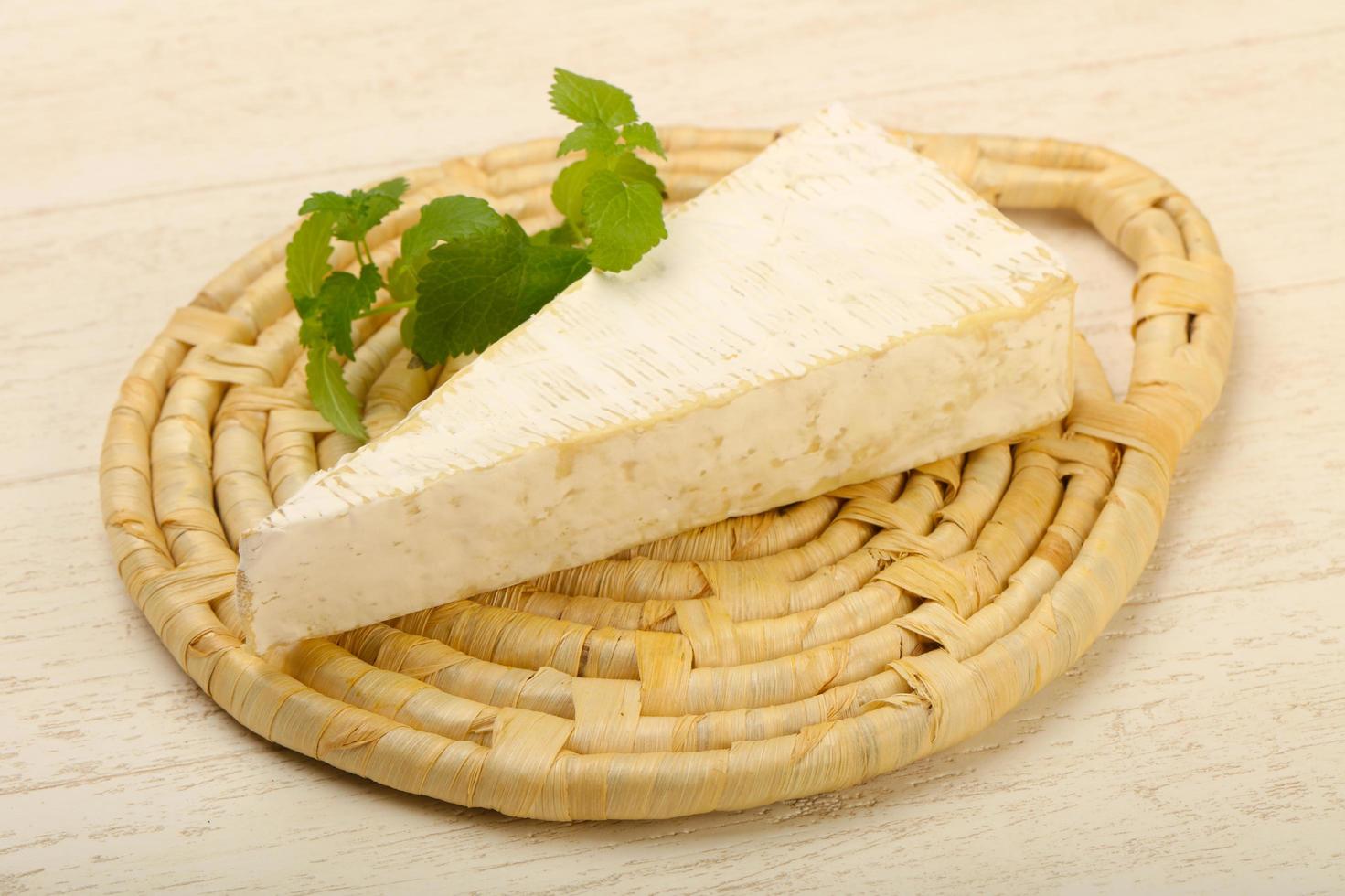
Yes, Brie cheese is naturally gluten-free. As a dairy product made from milk, rennet, and bacteria cultures, Brie does not contain any gluten-containing ingredients.
Quick Tips
1Good source of protein: Brie contains essential amino acids necessary for muscle growth and repair.
2Rich in calcium: Helps maintain strong bones and teeth, and supports muscle function.
3Contains vitamin B12: Important for red blood cell formation and neurological function.
# In This Article
3 sectionsQuick navigation to each section of this article:
1 Benefits of Brie Cheese
Good source of protein: Brie contains essential amino acids necessary for muscle growth and repair.
Jump2 Who should avoid Brie Cheese
Pregnant women: Due to the risk of listeria contamination in soft cheeses
Jump3 Related Gluten Free Products
Here are five similar gluten-free options to Brie Cheese, along with short descriptions:
JumpBenefits of Brie Cheese
| Benefits of Brie Cheese |
|---|
| Good source of protein: Brie contains essential amino acids necessary for muscle growth and repair. |
| Rich in calcium: Helps maintain strong bones and teeth, and supports muscle function. |
| Contains vitamin B12: Important for red blood cell formation and neurological function. |
| Provides vitamin A: Supports eye health, immune function, and skin health. |
| Contains riboflavin (vitamin B2): Aids in energy production and cellular function. |
| Source of selenium: An antioxidant that supports immune system function and thyroid health. |
| Contains probiotics: May support gut health and boost the immune system. |
| Provides phosphorus: Important for bone health and energy metabolism. |
| Contains conjugated linoleic acid (CLA): May have anti-inflammatory and heart health benefits. |
| Moderate fat content: Provides satiety and can help with appetite control. |
| Low in carbohydrates: Suitable for low-carb diets. |
| Contains small amounts of vitamin K2: May support bone and cardiovascular health.Remember that while Brie cheese offers these benefits, it should be consumed in moderation as part of a balanced diet due to its high calorie and saturated fat content. |
Who should avoid Brie Cheese
| Who should avoid Brie Cheese |
|---|
| Pregnant women: Due to the risk of listeria contamination in soft cheeses |
| Individuals with compromised immune systems: Including those with HIV/AIDS, cancer patients undergoing chemotherapy, or organ transplant recipients |
| People with severe dairy allergies: As Brie is made from cow’s milk |
| Those with lactose intolerance: Brie contains lactose, though in smaller amounts than some other dairy products |
| Infants and young children: Due to the risk of foodborne illness and the cheese’s high fat content |
| People on low-fat diets: Brie is high in saturated fats |
| Those taking certain medications: Some antibiotics and antifungal medications may interact with the mold in Brie |
| Individuals with a mold allergy: As Brie is a mold-ripened cheese |
| People with high cholesterol: Due to the cheese’s high saturated fat content |
| Those following a low-sodium diet: Brie contains a significant amount of sodiumAlways consult with a healthcare professional if you have concerns about consuming Brie or any other food product. |
Related Gluten Free Products
Here are five similar gluten-free options to Brie Cheese, along with short descriptions:
| Related Gluten Free Products |
|---|
| Camembert:A soft, creamy cheese with a white rind, similar to Brie but with a stronger flavor. It has a rich, buttery texture and earthy aroma. |
| Chevre (Goat Cheese):A tangy, creamy cheese made from goat's milk. It comes in various textures, from soft and spreadable to firm and crumbly. |
| Humboldt Fog:A goat's milk cheese with a distinctive layer of vegetable ash running through its center. It has a soft, creamy texture and a tangy, herbaceous flavor. |
| Délice de Bourgogne:A French triple cream cheese made from cow's milk. It's incredibly rich and creamy with a mild, buttery flavor. |
| Cashew Cheese:A dairy-free alternative made from fermented cashews. It can be soft and spreadable, mimicking the texture of Brie, with a tangy, slightly nutty flavor.All these options are naturally gluten-free, but always check the label to ensure no gluten-containing ingredients have been added during processing. |
Health Information
? Frequently Asked Questions
4 questions1 Does brie rind contain gluten?
2 What cheeses are not gluten-free?
3 What soft cheese is gluten-free?
4 Is Trader Joe's brie gluten-free?
Our Expert
Drs. Ilse van Asperen
Orthomolecular Therapist, Nutritional Coach & Professional Editor
Drs. Ilse van Asperen is a medical doctor specialising in orthomolecular therapy and nutritional coaching. With a background in public and clinical health research and management, she focuses on addressing the root causes of health issues through diet, gut health, and stress reduction. As a professional editor for Little Helpers, she reviews all gluten-free content to ensure accuracy, safety, and scientific credibility. Read more on Drs. Ilse van Asperen's own website
Our Sources
The information on this page is based on reputable health and nutrition organisations, ensuring accuracy and reliability for anyone following a gluten-free diet. For further details, see the sources below.