Share
TL;DR
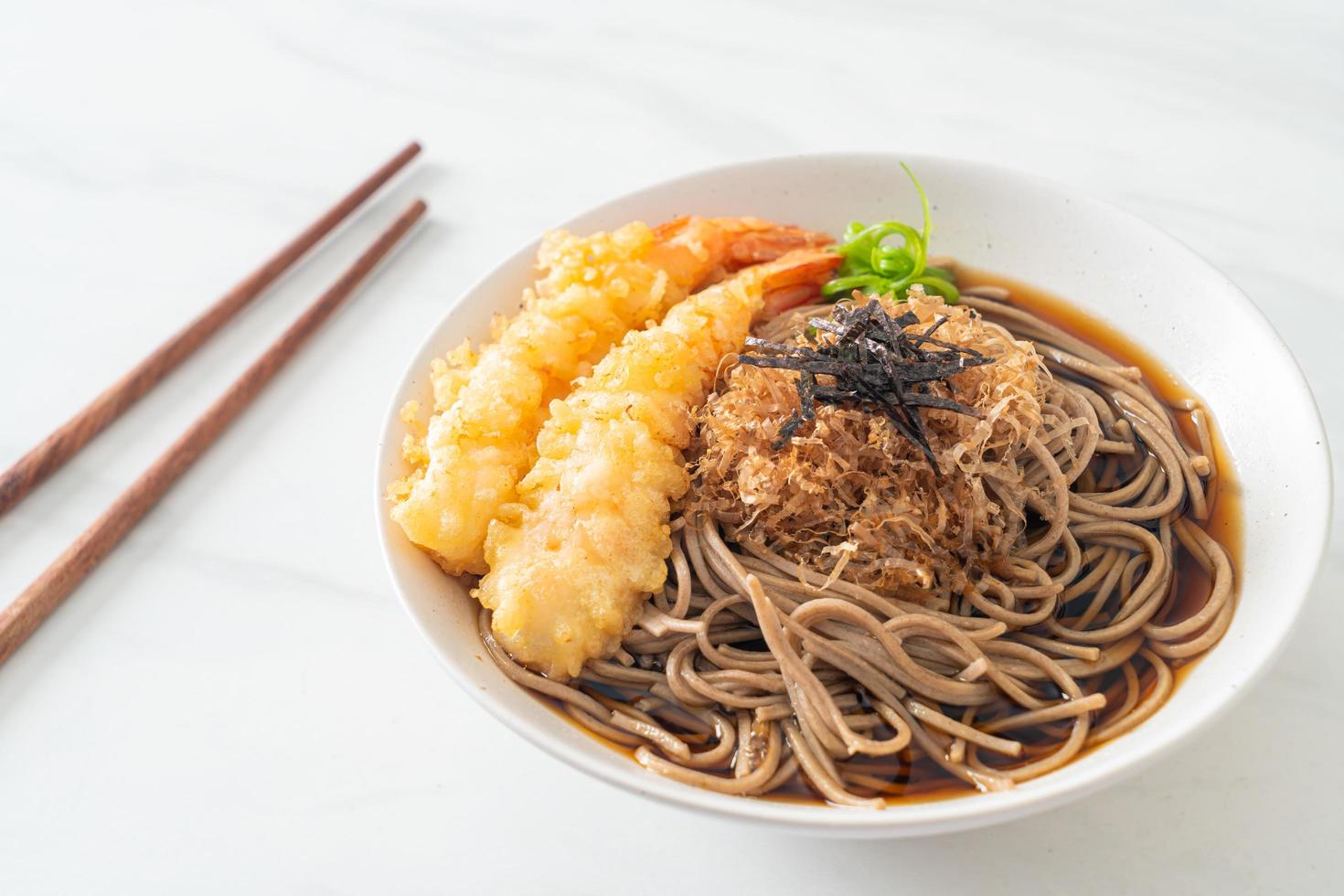
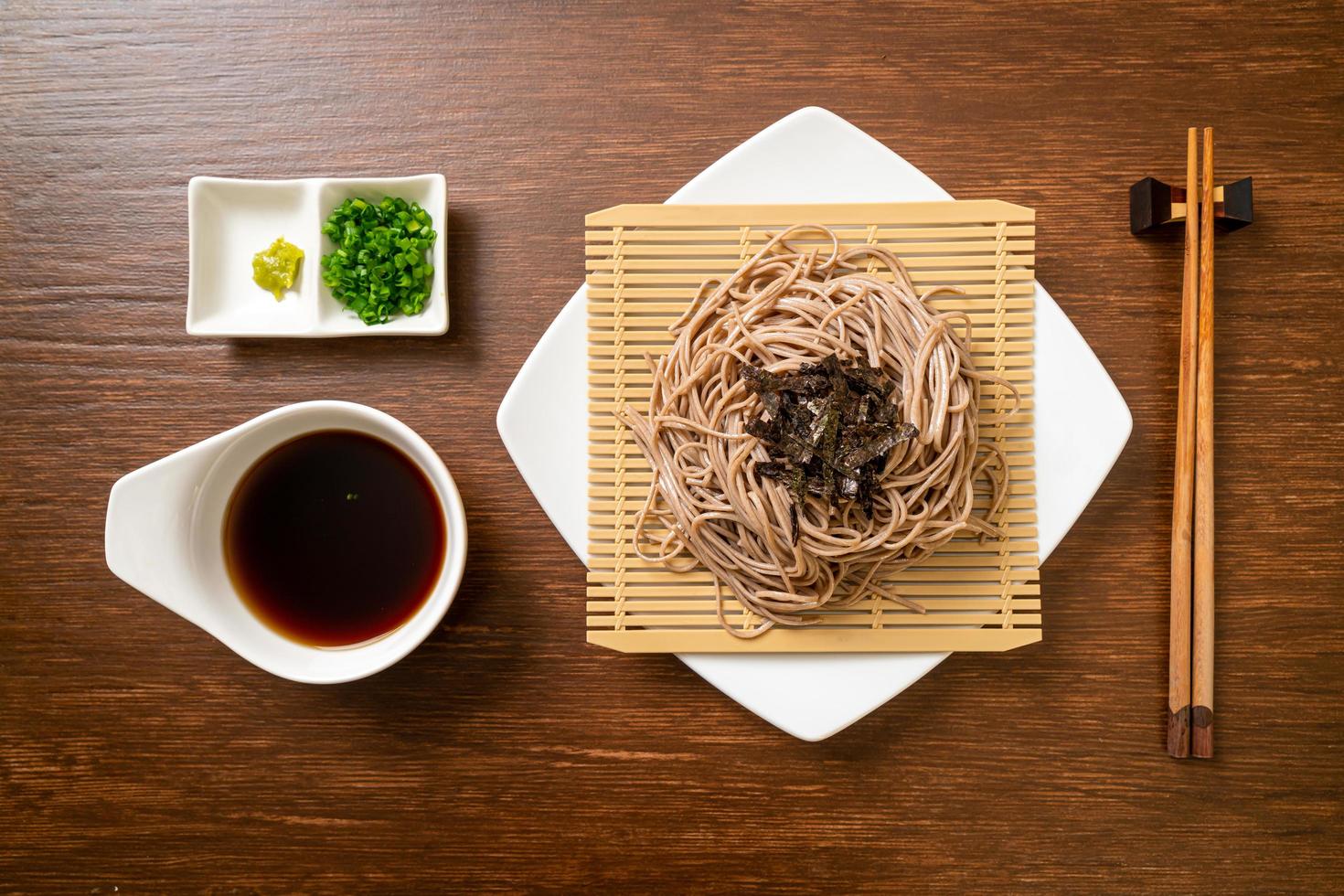
Traditional buckwheat soba noodles are gluten-free as they are made solely from buckwheat flour. However, many commercial soba noodles contain wheat flour as well, so it’s important to check the ingredients or look for specifically labeled gluten-free soba noodles if you need to avoid gluten.
Quick Tips
1Gluten-free: Suitable for people with celiac disease or gluten sensitivity
2High in protein: Contains all eight essential amino acids
3Rich in fiber: Promotes digestive health and helps maintain a feeling of fullness
# In This Article
3 sectionsQuick navigation to each section of this article:
1 Benefits of Buckwheat Soba
Gluten-free: Suitable for people with celiac disease or gluten sensitivity
Jump2 Who should avoid Buckwheat Soba
People with buckwheat allergies: Buckwheat can cause severe allergic reactions in sensitive individuals.
Jump3 Gluten Free Alternatives
Here are five gluten-free alternatives to Buckwheat Soba, along with short descriptions:
JumpBenefits of Buckwheat Soba
| Benefits of Buckwheat Soba |
|---|
| Gluten-free: Suitable for people with celiac disease or gluten sensitivity |
| High in protein: Contains all eight essential amino acids |
| Rich in fiber: Promotes digestive health and helps maintain a feeling of fullness |
| Low glycemic index: Helps regulate blood sugar levels |
| Heart-healthy: Contains rutin, which may help lower blood pressure and reduce cholesterol |
| Rich in antioxidants: May help protect against cellular damage and reduce inflammation |
| Good source of minerals: Provides manganese, magnesium, copper, and iron |
| Contains resistant starch: May improve gut health and aid in weight management |
| May improve circulation: Due to its rutin content, which supports blood vessel health |
| Supports bone health: Contains phosphorus and zinc, important for bone structure |
| Energy-boosting: Complex carbohydrates provide sustained energy |
| May help manage diabetes: Due to its low glycemic index and high fiber content |
| Supports immune function: Contains selenium, which is important for immune healthRemember that these benefits are associated with buckwheat soba when consumed as part of a balanced diet. |
Who should avoid Buckwheat Soba
| Who should avoid Buckwheat Soba |
|---|
| People with buckwheat allergies: Buckwheat can cause severe allergic reactions in sensitive individuals. |
| Those with celiac disease or gluten sensitivity: While buckwheat is naturally gluten-free, some soba noodles may contain wheat flour, so it’s important to check labels carefully. |
| Individuals on a low-carb diet: Buckwheat soba noodles are high in carbohydrates. |
| People with diabetes: Buckwheat can affect blood sugar levels, so diabetics should consume it in moderation and monitor their blood glucose carefully. |
| Those with digestive sensitivities: Some people may experience bloating or digestive discomfort when consuming buckwheat. |
| Individuals taking blood-thinning medications: Buckwheat contains high levels of vitamin K, which can interfere with blood-thinning medications like warfarin. |
| People with kidney problems: Buckwheat is high in potassium and phosphorus, which may be problematic for those with kidney issues. |
| Individuals with FODMAPs sensitivities: Buckwheat is high in FODMAPs, which can cause digestive issues for some people. |
| Pregnant women: While generally safe, pregnant women should consult their healthcare provider before adding new foods to their diet.Remember, it’s always best to consult with a healthcare professional or registered dietitian before making significant changes to your diet, especially if you have existing health conditions. |
Gluten Free Alternatives
Here are five gluten-free alternatives to Buckwheat Soba, along with short descriptions:
| Gluten Free Alternatives |
|---|
| Rice Noodles: Made from rice flour and water, these thin, translucent noodles are common in Asian cuisine. They have a mild flavor and soft texture, making them versatile for various dishes. |
| Shirataki Noodles: Also known as konjac noodles, these are made from the root of the konjac plant. They're very low in calories and carbohydrates, with a slightly chewy texture and neutral taste that absorbs flavors well. |
| Kelp Noodles: Made from seaweed, these noodles are low in calories and rich in minerals. They have a crunchy texture when raw but become softer when cooked, with a neutral taste that works well in many dishes. |
| Sweet Potato Glass Noodles: Also called Korean vermicelli, these noodles are made from sweet potato starch. They're chewy and slightly transparent, with a mild flavor that complements various sauces and ingredients. |
| Zucchini Noodles (Zoodles): Created by spiralizing fresh zucchini, these "noodles" offer a low-carb, nutrient-rich alternative. They have a fresh, slightly crisp texture and can be eaten raw or lightly cooked, taking on the flavors of accompanying sauces and seasonings. |
Health Information
? Frequently Asked Questions
4 questions1 Is there gluten in buckwheat soba?
2 Are soba noodles 100% buckwheat?
3 Why is buckwheat not gluten-free?
4 Are Korean buckwheat noodles gluten-free?
Our Expert
Drs. Ilse van Asperen
Orthomolecular Therapist, Nutritional Coach & Professional Editor
Drs. Ilse van Asperen is a medical doctor specialising in orthomolecular therapy and nutritional coaching. With a background in public and clinical health research and management, she focuses on addressing the root causes of health issues through diet, gut health, and stress reduction. As a professional editor for Little Helpers, she reviews all gluten-free content to ensure accuracy, safety, and scientific credibility. Read more on Drs. Ilse van Asperen's own website
Our Sources
The information on this page is based on reputable health and nutrition organisations, ensuring accuracy and reliability for anyone following a gluten-free diet. For further details, see the sources below.