Is Caesar Salad Gluten Free?

Is Caesar Salad Gluten Free?

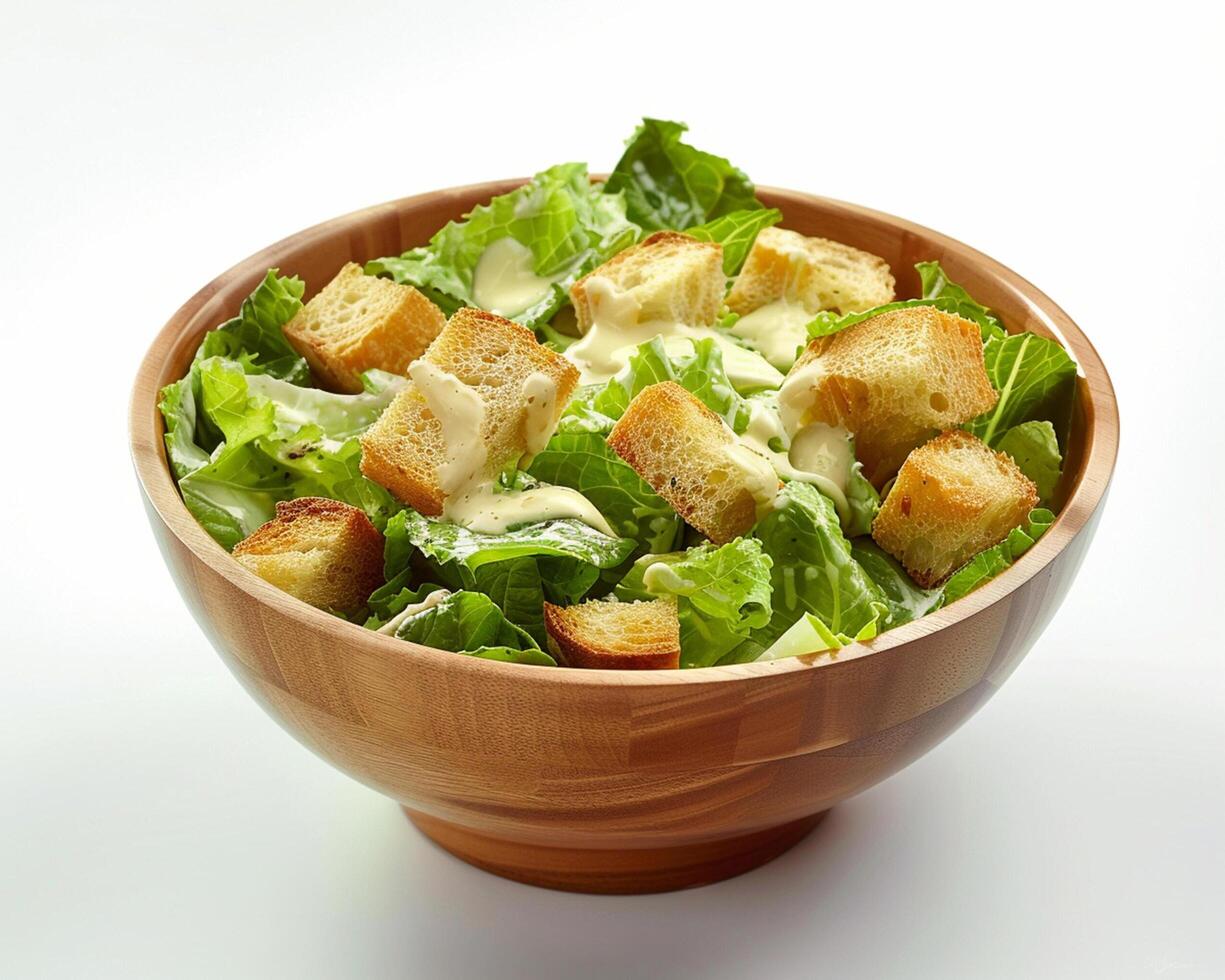
A traditional Caesar salad is typically gluten-free, as its main ingredients (romaine lettuce, Parmesan cheese, olive oil, lemon juice, egg, and anchovies) do not contain gluten. However, caution is needed with croutons, which are often included and made from wheat bread, as well as some Caesar dressing recipes that may contain gluten-containing ingredients like wheat-based Worcestershire sauce.

TL;DR

A traditional Caesar salad is typically gluten-free, as its main ingredients (romaine lettuce, Parmesan cheese, olive oil, lemon juice, egg, and anchovies) do not contain gluten. However, caution is needed with croutons, which are often included and made from wheat bread, as well as some Caesar dressing recipes that may contain gluten-containing ingredients like wheat-based Worcestershire sauce.

Quick Tips

1

Source of vitamins: Romaine lettuce provides vitamins A, K, and C.

2

Fiber content: The lettuce provides some dietary fiber, which aids digestion.

3

Protein source: The addition of chicken (in some versions) provides lean protein.

# In This Article

3 sections

Quick navigation to each section of this article:

1 Benefits of Caesar Salad

Source of vitamins: Romaine lettuce provides vitamins A, K, and C.

Jump
2 Who should avoid Caesar Salad

Pregnant women: Due to the risk of raw or undercooked egg in traditional Caesar dressing

Jump
3 Gluten Free Alternatives

Here are five gluten-free alternatives to Caesar Salad, along with short descriptions:

Jump

Benefits of Caesar Salad

Benefits of Caesar Salad
Source of vitamins: Romaine lettuce provides vitamins A, K, and C.
Fiber content: The lettuce provides some dietary fiber, which aids digestion.
Protein source: The addition of chicken (in some versions) provides lean protein.
Healthy fats: Olive oil in the dressing offers heart-healthy monounsaturated fats.
Calcium: Parmesan cheese contributes calcium for bone health.
Antioxidants: Garlic in the dressing has antioxidant properties.
Hydration: The high water content in lettuce contributes to hydration.
Low in calories: When prepared with moderation, it can be a relatively low-calorie meal option.
Satiety: The combination of protein and fiber can help you feel full.However, it’s worth noting that traditional Caesar salad dressings are often high in calories and saturated fat, and croutons add refined carbohydrates. For maximum health benefits, consider a lighter dressing and limit high-calorie toppings.

Who should avoid Caesar Salad

Who should avoid Caesar Salad
Pregnant women: Due to the risk of raw or undercooked egg in traditional Caesar dressing
People with egg allergies: Because of the egg content in the dressing
Those with dairy allergies or lactose intolerance: Due to the cheese typically used in Caesar salads
Individuals with gluten sensitivities or celiac disease: If croutons are included or if the dressing contains wheat-based ingredients
People with seafood allergies: If the dressing contains anchovies, which is common in traditional recipes
Those on a low-sodium diet: Due to the high salt content in anchovies and cheese
Individuals avoiding high-fat foods: Because of the oil and cheese content
People with compromised immune systems: Due to the risk of foodborne illness from raw eggs
Those on certain medications that interact with vitamin K: Caesar salad often contains romaine lettuce, which is high in vitamin K
Vegans and strict vegetarians: Due to the animal products used in traditional Caesar salad (eggs, anchovies, cheese)Always consult with a healthcare professional if you have specific dietary concerns or restrictions.
ENJOY YOUR FAVORITE FOODS FEARLESSLY!
Don’t let gluten hold you back. Take Anti-Gluten Pills before your meal and enjoy peace of mind.
SHOP ANTI-GLUTEN PILLS
Clinically proven · Up to 86% gluten reduction · Fast acting

Gluten Free Alternatives

Here are five gluten-free alternatives to Caesar Salad, along with short descriptions:

Gluten Free Alternatives
Kale and Quinoa Salad:A nutrient-dense alternative featuring chopped kale, cooked quinoa, cherry tomatoes, and a lemon-based dressing. This salad is packed with vitamins, minerals, and protein, offering a hearty and healthful option.
Greek Salad:A Mediterranean-inspired salad containing crisp lettuce, cucumbers, tomatoes, red onions, kalamata olives, and feta cheese, dressed with olive oil and oregano. This refreshing option is naturally gluten-free and full of flavor.
Asian-Style Cabbage Slaw:A crunchy, tangy salad made with shredded cabbage, carrots, and bell peppers, tossed in a gluten-free soy sauce or tamari-based dressing. This alternative offers a unique flavor profile and satisfying texture.
Spinach and Strawberry Salad:A light and fruity option featuring fresh spinach leaves, sliced strawberries, crumbled goat cheese, and toasted almonds, dressed with a balsamic vinaigrette. This salad provides a perfect balance of sweet and savory flavors.
Southwest Chopped Salad:A colorful and zesty salad containing chopped romaine lettuce, black beans, corn, avocado, and cherry tomatoes, dressed with a cilantro-lime vinaigrette. This gluten-free alternative offers a satisfying mix of textures and flavors inspired by Southwestern cuisine.

Health Information

? Frequently Asked Questions

4 questions
1 Does caesar salad dressing contain gluten?
Traditional Caesar salad dressing does not typically contain gluten. The main ingredients are usually olive oil, egg yolks, lemon juice, anchovies, garlic, and Parmesan cheese, none of which contain gluten. However, some store-bought or restaurant versions may include additives or thickeners that contain gluten. It's always best to check the ingredients list or ask the chef if you have gluten sensitivities or celiac disease.
2 Why is Caesar salad not gluten-free?
Caesar salad itself is typically gluten-free, as its main ingredients (romaine lettuce, Parmesan cheese, and Caesar dressing) do not contain gluten. However, the croutons that are traditionally added to Caesar salad are made from bread, which usually contains wheat and therefore gluten. Some Caesar dressing recipes may also include Worcestershire sauce, which often contains gluten from malt vinegar or soy sauce. To make a truly gluten-free Caesar salad, one would need to omit the croutons and ensure all other ingredients, including the dressing, are certified gluten-free.
3 Is Caesar mix gluten-free?
Caesar salad dressing is typically not gluten-free. The traditional recipe includes Worcestershire sauce, which often contains gluten from malt vinegar or soy sauce. Some Caesar dressing mixes may also contain gluten as a thickener or stabilizer. To be certain, it's best to check the specific ingredients list or look for a product that is explicitly labeled gluten-free.
4 Is Dole Caesar salad kit gluten-free?
The Dole Caesar salad kit is not gluten-free. The croutons included in the kit contain wheat, which is a source of gluten. Additionally, the Caesar dressing may contain gluten-containing ingredients. If you have celiac disease or gluten sensitivity, it's best to avoid this product or prepare a Caesar salad from scratch using gluten-free ingredients.
LIVE GLUTEN-FREE WITHOUT THE FUSS!
Introducing Tolerase® G, clinically proven to reduce up to 86% of gluten in under 10 minutes. Experience the freedom to eat what you love.
SHOP ANTI-GLUTEN PILLS
150mg pure Tolerase® G · Reduces gluten by 86% · Under 10 minutes

Our Expert

Drs. Ilse van Asperen, Orthomolecular Therapist and Nutritional Coach

Drs. Ilse van Asperen

Orthomolecular Therapist, Nutritional Coach & Professional Editor

Drs. Ilse van Asperen is a medical doctor specialising in orthomolecular therapy and nutritional coaching. With a background in public and clinical health research and management, she focuses on addressing the root causes of health issues through diet, gut health, and stress reduction. As a professional editor for Little Helpers, she reviews all gluten-free content to ensure accuracy, safety, and scientific credibility. Read more on Drs. Ilse van Asperen's own website

Our Sources

The information on this page is based on reputable health and nutrition organisations, ensuring accuracy and reliability for anyone following a gluten-free diet. For further details, see the sources below.

Sources

Similar Articles

Back to blog