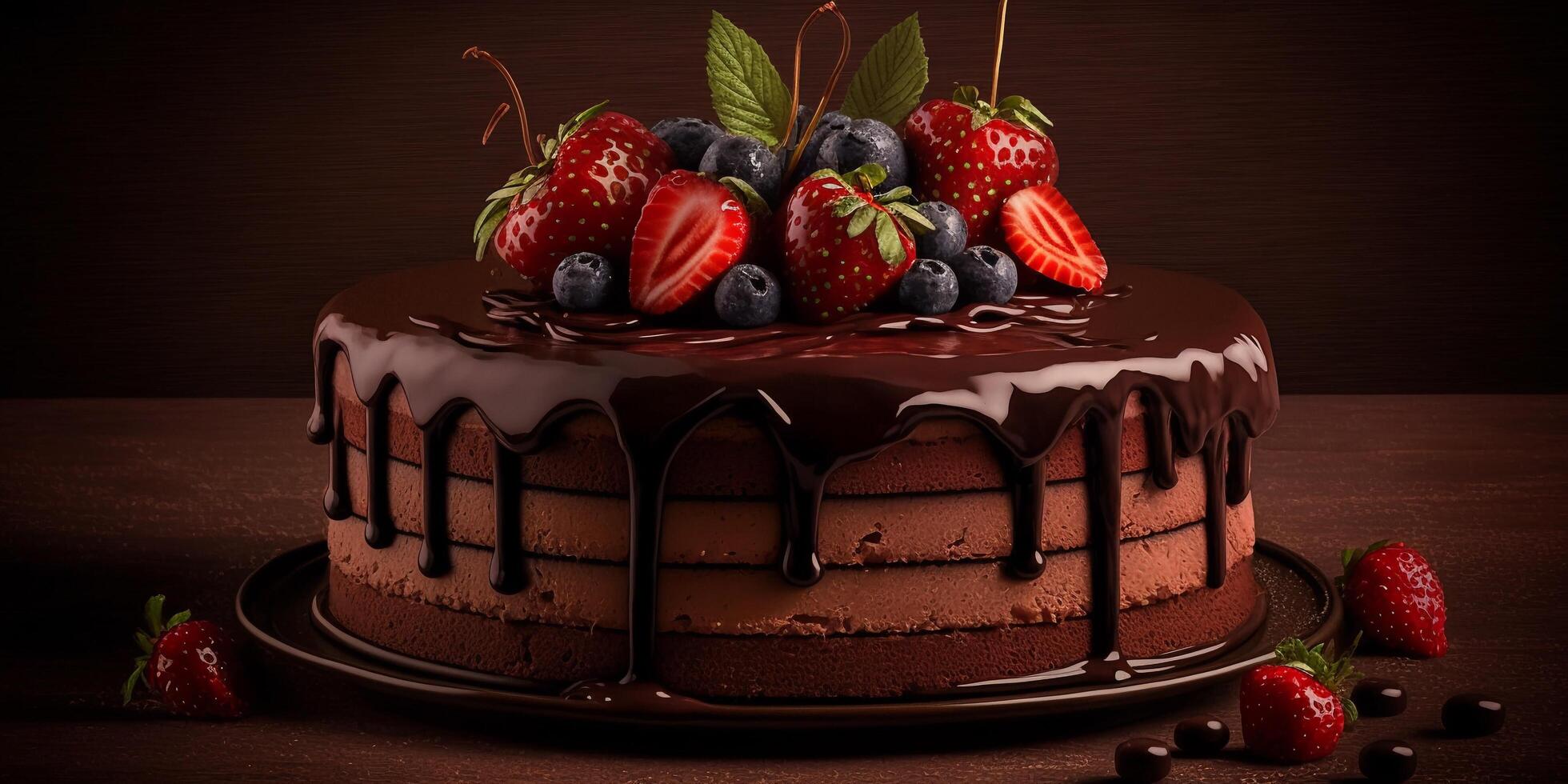
Is Cheese Cake Gluten Free?

Is Cheese Cake Gluten Free?

Traditional cheesecake is often gluten-free in its filling, which typically consists of cream cheese, eggs, sugar, and flavorings. However, the crust of a cheesecake is usually made with graham crackers or cookies that contain gluten, so a standard cheesecake is not gluten-free unless specifically prepared with a gluten-free crust.

TL;DR

Traditional cheesecake is often gluten-free in its filling, which typically consists of cream cheese, eggs, sugar, and flavorings. However, the crust of a cheesecake is usually made with graham crackers or cookies that contain gluten, so a standard cheesecake is not gluten-free unless specifically prepared with a gluten-free crust.

Quick Tips

1

Provides calcium: Cheese is a good source of calcium, which is essential for strong bones and teeth.

2

Contains protein: The cheese and eggs in cheesecake provide protein, which is important for muscle building and repair.

3

Offers vitamin A: Cheese contains vitamin A, which supports eye health and immune function.

# In This Article

3 sections

Quick navigation to each section of this article:

1 Benefits of Cheese Cake

Provides calcium: Cheese is a good source of calcium, which is essential for strong bones and teeth.

Jump
2 Who should avoid Cheese Cake

Individuals with lactose intolerance, as cheesecake contains dairy products

Jump
3 Gluten Free Alternatives

Here are five gluten-free alternatives to traditional cheesecake, along with short descriptions:

Jump

Benefits of Cheese Cake

Benefits of Cheese Cake
Provides calcium: Cheese is a good source of calcium, which is essential for strong bones and teeth.
Contains protein: The cheese and eggs in cheesecake provide protein, which is important for muscle building and repair.
Offers vitamin A: Cheese contains vitamin A, which supports eye health and immune function.
Provides B vitamins: Cheesecake ingredients like cheese and eggs contain various B vitamins, which are important for energy metabolism.
Source of probiotics (in some cases): If made with probiotic-rich cheese, it may offer some gut health benefits.
Possible mood booster: As a comfort food, it may have positive effects on mood for some people.
Energy source: The carbohydrates and fats in cheesecake provide energy.
Contains phosphorus: Cheese is a good source of phosphorus, which works with calcium for bone health.
Offers some antioxidants: Fruits used as toppings can provide antioxidants.
Zinc content: Cheese contains zinc, which is important for immune function and wound healing.It’s important to note that these benefits are offset by the high calorie, fat, and sugar content of cheesecake, so it should be enjoyed sparingly as part of a balanced diet.

Who should avoid Cheese Cake

Who should avoid Cheese Cake
Individuals with lactose intolerance, as cheesecake contains dairy products
People with milk allergies
Those following a vegan or dairy-free diet
Individuals on a low-fat diet, as cheesecake is typically high in fat
People with diabetes or those monitoring their blood sugar, due to the high sugar content
Individuals on a low-calorie diet for weight management
Those with gluten sensitivities or celiac disease (if the crust contains wheat)
People with high cholesterol, as cheesecake is often high in saturated fats
Individuals with certain gastrointestinal conditions that may be aggravated by rich, creamy foods
Those following a kosher diet that prohibits mixing meat and dairy (if they’ve recently consumed meat)
People with egg allergies (as some cheesecake recipes contain eggs)
Individuals with specific religious or cultural dietary restrictions that prohibit certain ingredients commonly found in cheesecakeRemember, while these groups should generally be cautious, individual tolerance and dietary needs may vary. Always consult with a healthcare professional or registered dietitian for personalized advice.
ENJOY YOUR FAVORITE FOODS FEARLESSLY!
Don’t let gluten hold you back. Take Anti-Gluten Pills before your meal and enjoy peace of mind.
SHOP ANTI-GLUTEN PILLS
Clinically proven · Up to 86% gluten reduction · Fast acting

Gluten Free Alternatives

Here are five gluten-free alternatives to traditional cheesecake, along with short descriptions:

Gluten Free Alternatives
Ricotta-based cheesecake - Made with ricotta cheese instead of cream cheese, this alternative has a lighter texture and is naturally gluten-free when using a gluten-free crust or no crust at all. It's often flavored with lemon zest and vanilla.
No-bake cashew cheesecake - A vegan and gluten-free option made from soaked cashews blended with coconut milk, sweetener, and flavorings. It sets in the refrigerator and has a creamy texture similar to traditional cheesecake.
Greek yogurt cheesecake - This healthier alternative uses Greek yogurt as the main ingredient, resulting in a tangy, protein-rich dessert. It can be made with a gluten-free crust or served crustless for a lighter option.
Cottage cheese cheesecake - Using cottage cheese as the base, this alternative is lower in fat and higher in protein than traditional cheesecake. When blended smooth, it creates a creamy texture similar to classic cheesecake.
Pumpkin cheesecake mousse - A lighter, fluffier alternative made with pumpkin puree, cream cheese, and whipped cream. This gluten-free option can be served in individual portions or as a pie filling, often with a gluten-free graham cracker crust.

Health Information

? Frequently Asked Questions

4 questions
1 Does cheesecake contain gluten?
Traditional cheesecake typically contains gluten in its crust. The crust is usually made from graham crackers or cookies, which contain wheat flour. However, the cheesecake filling itself is generally gluten-free. Gluten-free cheesecake options are available, often using alternative crust ingredients like nuts or gluten-free cookies.
2 Is Philadelphia cream cheese cheesecake gluten free?
Philadelphia cream cheese itself is gluten-free. However, whether a cheesecake made with Philadelphia cream cheese is gluten-free depends on the other ingredients used. The crust of a traditional cheesecake often contains gluten from graham crackers or other wheat-based ingredients. To ensure a gluten-free cheesecake, you'd need to use a gluten-free crust and verify that all other ingredients are also free from gluten.
3 Is instant cheesecake mix gluten-free?
Instant cheesecake mix is not always gluten-free. Some brands may contain gluten-containing ingredients, while others offer gluten-free options. It's important to carefully check the ingredients list and look for certified gluten-free labels. If you have celiac disease or gluten sensitivity, it's safest to choose a mix specifically labeled as gluten-free or make cheesecake from scratch using gluten-free ingredients.
4 Can celiacs eat gluten-free cake?
Yes, celiacs can eat gluten-free cake. Gluten-free cakes are specifically made without wheat, barley, rye, or other gluten-containing ingredients. These cakes are typically made with alternative flours like rice flour, almond flour, or coconut flour. As long as the cake is truly gluten-free and there's no cross-contamination during preparation, it should be safe for people with celiac disease to consume.
LIVE GLUTEN-FREE WITHOUT THE FUSS!
Introducing Tolerase® G, clinically proven to reduce up to 86% of gluten in under 10 minutes. Experience the freedom to eat what you love.
SHOP ANTI-GLUTEN PILLS
150mg pure Tolerase® G · Reduces gluten by 86% · Under 10 minutes

Our Expert

Drs. Ilse van Asperen, Orthomolecular Therapist and Nutritional Coach

Drs. Ilse van Asperen

Orthomolecular Therapist, Nutritional Coach & Professional Editor

Drs. Ilse van Asperen is a medical doctor specialising in orthomolecular therapy and nutritional coaching. With a background in public and clinical health research and management, she focuses on addressing the root causes of health issues through diet, gut health, and stress reduction. As a professional editor for Little Helpers, she reviews all gluten-free content to ensure accuracy, safety, and scientific credibility. Read more on Drs. Ilse van Asperen's own website

Our Sources

The information on this page is based on reputable health and nutrition organisations, ensuring accuracy and reliability for anyone following a gluten-free diet. For further details, see the sources below.
Sources

Similar Articles

Back to blog