Share
TL;DR
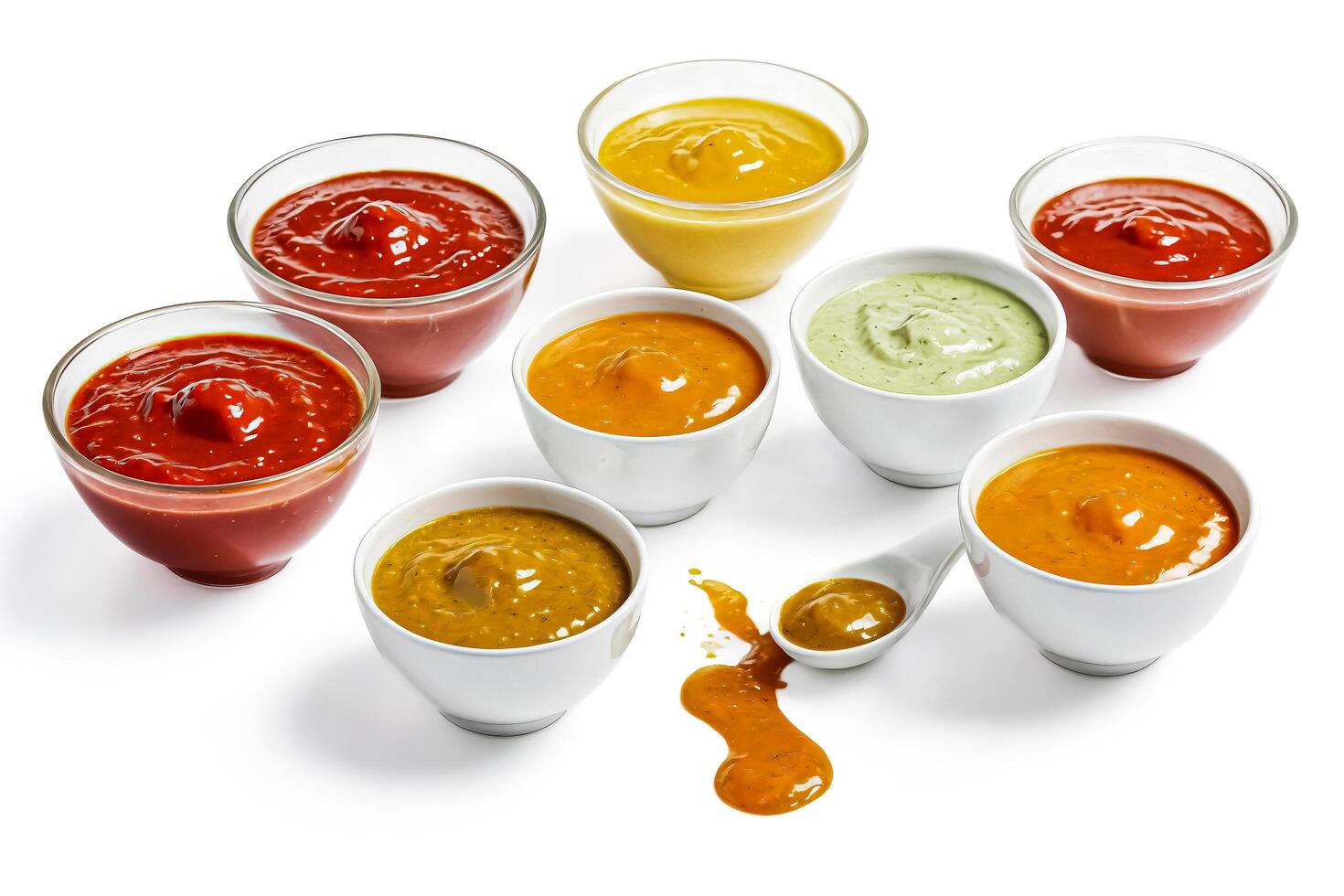
Generally, most basic cocktail sauces are gluten-free as they typically contain ingredients like ketchup, horseradish, lemon juice, and spices, which do not contain gluten. However, it’s always important to check the label or ingredient list of store-bought cocktail sauces, as some brands may include additives or flavorings that contain gluten.
Quick Tips
1Low in calories: Typically contains fewer calories compared to many other condiments.
2Rich in vitamin C: Tomatoes, a primary ingredient, are a good source of vitamin C.
3Contains lycopene: The tomatoes provide lycopene, a powerful antioxidant.
# In This Article
3 sectionsQuick navigation to each section of this article:
1 Benefits of Cocktail Sauce
Low in calories: Typically contains fewer calories compared to many other condiments.
Jump2 Who should avoid Cocktail Sauce
People with shellfish allergies: Cocktail sauce often contains Worcestershire sauce, which may contain anchovies or other fish products.
Jump3 Related Gluten Free Products
Here are five gluten-free options similar to Cocktail Sauce, along with short descriptions:
JumpBenefits of Cocktail Sauce
| Benefits of Cocktail Sauce |
|---|
| Low in calories: Typically contains fewer calories compared to many other condiments. |
| Rich in vitamin C: Tomatoes, a primary ingredient, are a good source of vitamin C. |
| Contains lycopene: The tomatoes provide lycopene, a powerful antioxidant. |
| Potential anti-inflammatory properties: Horseradish, often included, may have anti-inflammatory effects. |
| May boost metabolism: The capsaicin in hot sauce (if included) could slightly increase metabolism. |
| Provides small amounts of vitamins and minerals: Includes trace amounts of various nutrients from its ingredients. |
| Low in fat: Generally contains very little fat. |
| May aid digestion: The vinegar and horseradish could potentially support digestive health. |
| Enhances flavor without excessive salt: Can add taste to foods without relying heavily on salt. |
| Potential antibacterial properties: Horseradish has been associated with some antibacterial effects.Note: While cocktail sauce can offer these benefits, it’s typically consumed in small amounts, so the effects may be limited. Also, some versions may contain added sugars or sodium, which should be consumed in moderation. |
Who should avoid Cocktail Sauce
| Who should avoid Cocktail Sauce |
|---|
| People with shellfish allergies: Cocktail sauce often contains Worcestershire sauce, which may contain anchovies or other fish products. |
| Individuals with tomato allergies: The main ingredient in cocktail sauce is usually tomato ketchup or tomato paste. |
| Those with onion or garlic sensitivities: Many cocktail sauce recipes include onion or garlic powder. |
| People on low-sodium diets: Cocktail sauce can be high in sodium due to added salt and other ingredients. |
| Individuals with GERD or acid reflux: The acidity of tomatoes and other ingredients may trigger symptoms. |
| Those with histamine intolerance: Tomatoes and some other ingredients in cocktail sauce are high in histamines. |
| People with certain food intolerances: Some may react to preservatives or other additives in commercial cocktail sauces. |
| Individuals following a low-sugar diet: Some cocktail sauces contain added sugars. |
| Those with horseradish allergies: Horseradish is a common ingredient in cocktail sauce. |
| People taking certain medications: The high vitamin K content in tomatoes may interfere with blood-thinning medications.Always consult with a healthcare professional if you have concerns about specific dietary restrictions or health conditions. |
Related Gluten Free Products
Here are five gluten-free options similar to Cocktail Sauce, along with short descriptions:
| Related Gluten Free Products |
|---|
| Tartar Sauce: A creamy, tangy sauce made with mayonnaise, chopped pickles, capers, and herbs. It's commonly used with seafood and can be a great alternative to cocktail sauce. |
| Remoulade: A spicy, mayonnaise-based sauce originating from France. It typically includes herbs, capers, and sometimes horseradish, offering a zesty flavor profile similar to cocktail sauce. |
| Aioli: A Mediterranean sauce made from garlic, olive oil, and sometimes egg yolk. It can be flavored with various herbs and spices, providing a rich, garlicky alternative to cocktail sauce. |
| Salsa: A fresh, chunky sauce made with tomatoes, onions, peppers, and cilantro. While traditionally used in Mexican cuisine, it can also serve as a bright, tangy alternative to cocktail sauce for seafood. |
| Chimichurri: An Argentinian sauce made with parsley, garlic, vinegar, and oil. Its herbaceous and tangy flavor can complement seafood dishes in a similar way to cocktail sauce.Remember to always check labels or prepare these sauces yourself to ensure they are truly gluten-free, as some commercial versions may contain gluten-containing additives. |
Health Information
? Frequently Asked Questions
4 questions1 Does cocktail sauce have gluten in it?
2 Are shrimp cocktails gluten-free?
3 Why is cocktail sauce not gluten-free?
4 What sauces are not gluten-free?
Our Expert
Drs. Ilse van Asperen
Orthomolecular Therapist, Nutritional Coach & Professional Editor
Drs. Ilse van Asperen is a medical doctor specialising in orthomolecular therapy and nutritional coaching. With a background in public and clinical health research and management, she focuses on addressing the root causes of health issues through diet, gut health, and stress reduction. As a professional editor for Little Helpers, she reviews all gluten-free content to ensure accuracy, safety, and scientific credibility. Read more on Drs. Ilse van Asperen's own website
Our Sources
The information on this page is based on reputable health and nutrition organisations, ensuring accuracy and reliability for anyone following a gluten-free diet. For further details, see the sources below.