Share
TL;DR
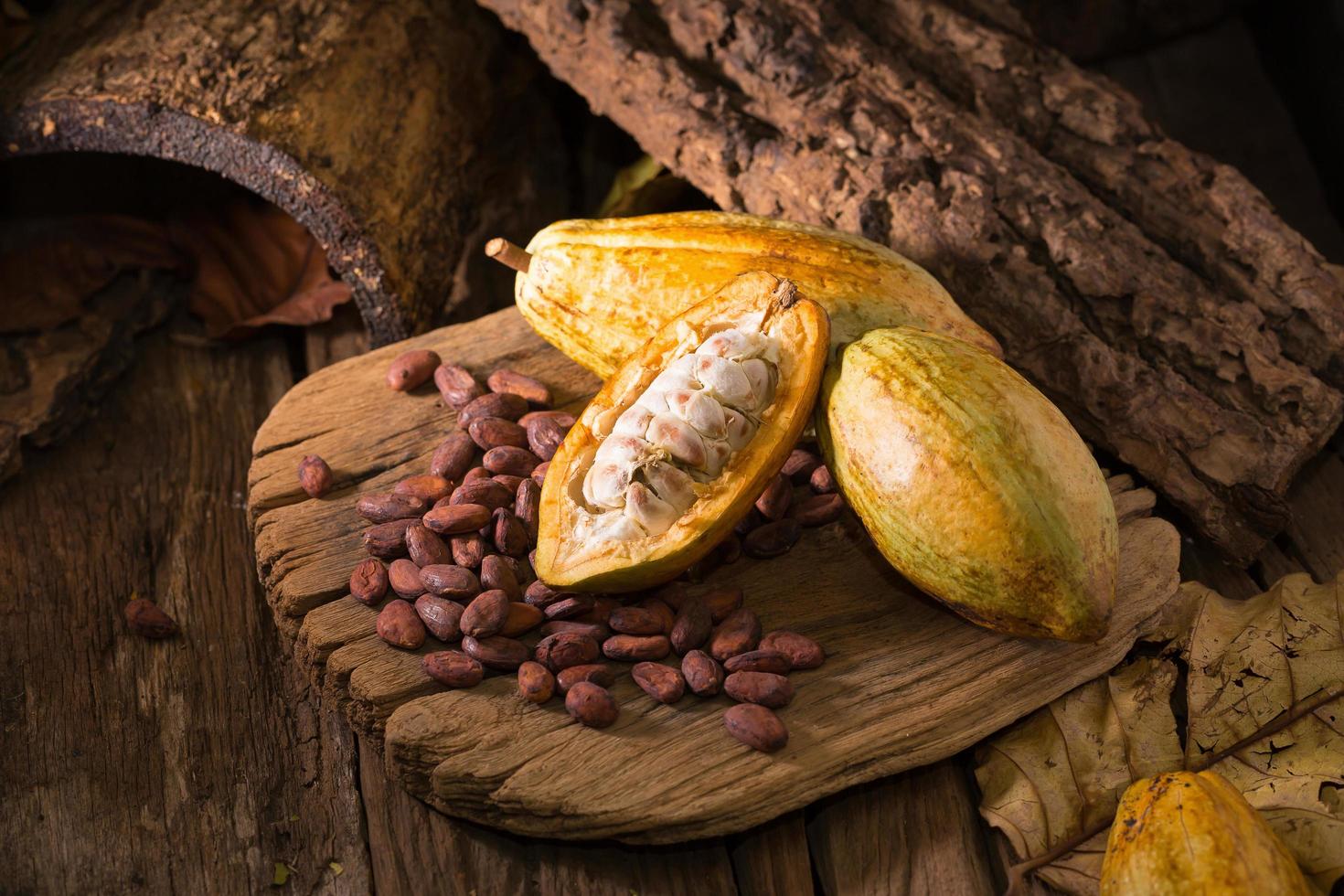
Yes, pure cocoa powder is naturally gluten-free as it is made from ground cocoa beans, which do not contain gluten. However, it’s important to check the label of any cocoa powder product to ensure it hasn’t been processed in a facility that also handles gluten-containing ingredients, which could lead to cross-contamination.
Quick Tips
1Rich in antioxidants, particularly flavonoids, which can help protect cells from damage
2May improve heart health by lowering blood pressure and improving blood flow
3Could reduce the risk of heart disease and stroke
# In This Article
3 sectionsQuick navigation to each section of this article:
1 Benefits of Cocoa Powder
Rich in antioxidants, particularly flavonoids, which can help protect cells from damage
Jump2 Who should avoid Cocoa Powder
People with chocolate allergies
Jump3 Related Gluten Free Products
Here are five gluten-free options similar to Cocoa Powder, along with short descriptions:
JumpBenefits of Cocoa Powder
| Benefits of Cocoa Powder |
|---|
| Rich in antioxidants, particularly flavonoids, which can help protect cells from damage |
| May improve heart health by lowering blood pressure and improving blood flow |
| Could reduce the risk of heart disease and stroke |
| May help improve brain function and cognitive performance |
| Potential to enhance mood and reduce symptoms of depression |
| Could help regulate blood sugar levels and improve insulin sensitivity |
| May have anti-inflammatory properties |
| Potentially beneficial for skin health, protecting against UV damage |
| Could help in weight management by reducing appetite and increasing feelings of fullness |
| May improve exercise performance and recovery |
| Contains minerals like iron, magnesium, and zinc, which are important for various bodily functions |
| Might have protective effects against certain types of cancer |
| Could help improve cholesterol levels by increasing HDL (good) cholesterol and lowering LDL (bad) cholesterol |
| May have mild pain-relieving properties |
| Potentially beneficial for gut health due to its prebiotic propertiesRemember that many of these benefits are associated with pure, unsweetened cocoa powder, and some require more research to be conclusively proven. |
Who should avoid Cocoa Powder
| Who should avoid Cocoa Powder |
|---|
| People with chocolate allergies |
| Individuals with caffeine sensitivity or those trying to limit caffeine intake |
| Those with migraine headaches triggered by chocolate or cocoa |
| People with gastroesophageal reflux disease (GERD) or acid reflux, as cocoa can worsen symptoms |
| Individuals with irritable bowel syndrome (IBS) who find that cocoa triggers their symptoms |
| Those with kidney stones, as cocoa is high in oxalates which can contribute to stone formation |
| People with anxiety disorders, as the caffeine in cocoa may exacerbate symptoms |
| Individuals taking certain medications that may interact with compounds in cocoa (e.g., MAO inhibitors) |
| Those with sleep disorders or who are sensitive to caffeine’s effects on sleep |
| People with atrial fibrillation or other heart rhythm disorders that can be triggered by caffeine |
| Individuals with phenylketonuria (PKU), as cocoa contains phenylalanine |
| Pregnant women who are advised to limit caffeine intake |
| Young children, due to the caffeine content and potential for triggering hyperactivity |
| People with diabetes who need to monitor their sugar intake (if consuming sweetened cocoa products)Remember that moderate consumption of cocoa is generally considered safe for most people, but it’s always best to consult with a healthcare professional if you have specific health concerns. |
Related Gluten Free Products
Here are five gluten-free options similar to Cocoa Powder, along with short descriptions:
| Related Gluten Free Products |
|---|
| Carob Powder: Made from roasted carob pods, this naturally sweet powder has a flavor similar to chocolate but with no caffeine. It's rich in fiber and antioxidants. |
| Cacao Powder: Raw, unprocessed form of chocolate. It's higher in nutrients than cocoa powder and has a more intense chocolate flavor. Rich in antioxidants and minerals. |
| Maca Powder: Derived from the Peruvian maca root, this powder has a nutty, earthy flavor. It's known for its energy-boosting properties and high nutrient content. |
| Mesquite Powder: Made from the pods of the mesquite tree, this powder has a sweet, caramel-like flavor. It's high in protein, fiber, and minerals. |
| Chicory Root Powder: Roasted and ground chicory root creates a powder with a coffee-like flavor. It's often used as a coffee substitute and is rich in inulin, a prebiotic fiber.These options can be used in various recipes as alternatives to cocoa powder, each bringing its unique flavor profile and nutritional benefits. |
Health Information
? Frequently Asked Questions
4 questions1 What brands of cocoa powder are gluten-free?
2 Is Hershey cocoa powder celiac safe?
3 Is all cocoa gluten-free?
4 Why is chocolate not gluten-free?
Our Expert
Drs. Ilse van Asperen
Orthomolecular Therapist, Nutritional Coach & Professional Editor
Drs. Ilse van Asperen is a medical doctor specialising in orthomolecular therapy and nutritional coaching. With a background in public and clinical health research and management, she focuses on addressing the root causes of health issues through diet, gut health, and stress reduction. As a professional editor for Little Helpers, she reviews all gluten-free content to ensure accuracy, safety, and scientific credibility. Read more on Drs. Ilse van Asperen's own website
Our Sources
The information on this page is based on reputable health and nutrition organisations, ensuring accuracy and reliability for anyone following a gluten-free diet. For further details, see the sources below.