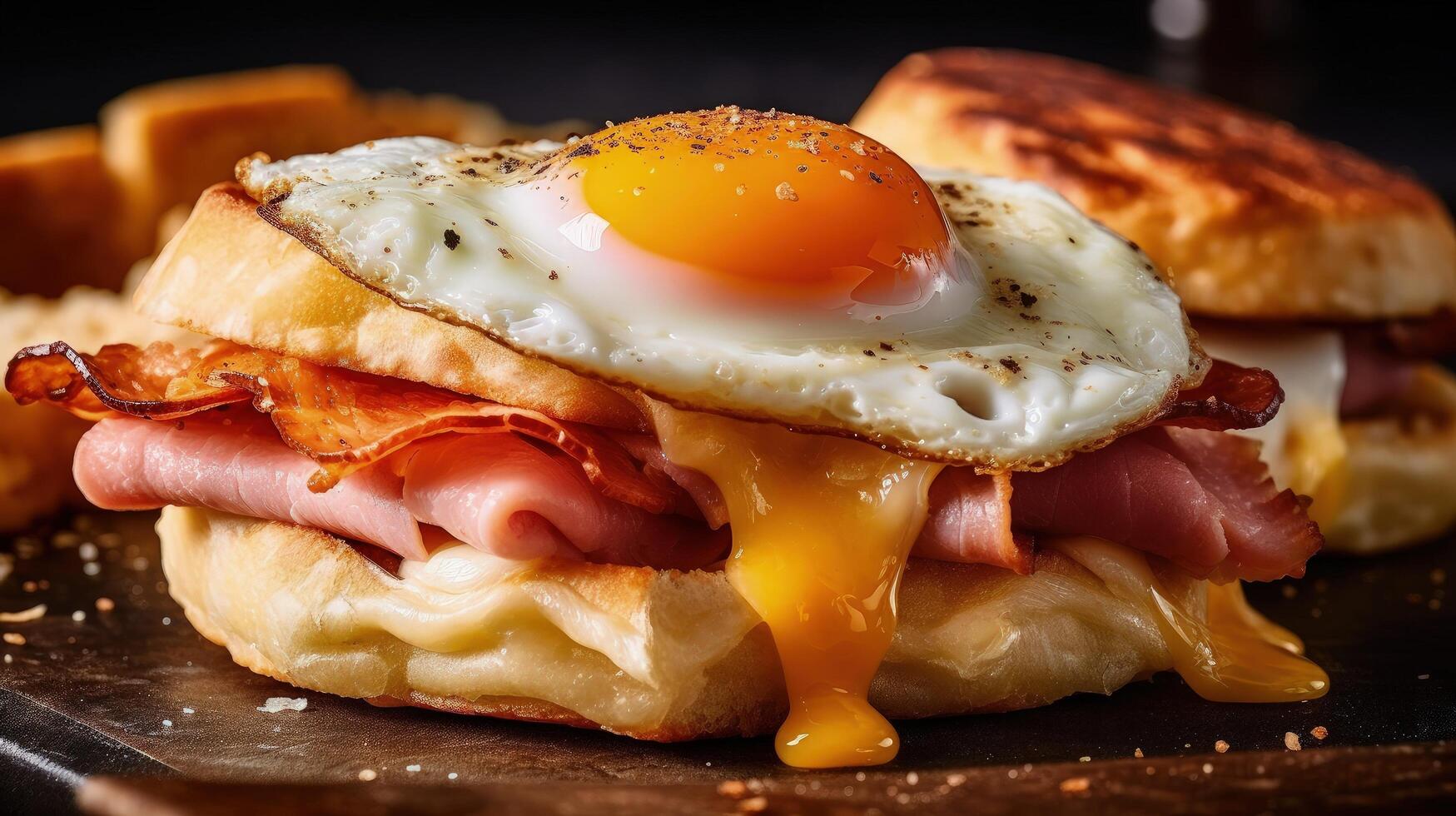
Is Deer Meat Gluten Free?

Is Deer Meat Gluten Free?

Yes, deer meat (venison) is naturally gluten-free. Gluten is a protein found in wheat, barley, and rye, which are not present in pure meat products like venison.

TL;DR

Yes, deer meat (venison) is naturally gluten-free. Gluten is a protein found in wheat, barley, and rye, which are not present in pure meat products like venison.

Quick Tips

1

Low in fat: Venison is leaner than many other red meats, making it a good choice for those watching their fat intake.

2

High in protein: It’s an excellent source of high-quality protein, essential for muscle growth and repair.

3

Rich in iron: Deer meat provides a significant amount of iron, which is crucial for healthy blood cells and preventing anemia.

# In This Article

3 sections

Quick navigation to each section of this article:

1 Benefits of Deer Meat

Low in fat: Venison is leaner than many other red meats, making it a good choice for those watching their fat intake.

Jump
2 Who should avoid Deer Meat

Pregnant women: Due to the risk of toxoplasmosis, a parasitic infection that can harm the developing fetus.

Jump
3 Related Gluten Free products

Here are five similar gluten-free options to deer meat, along with brief descriptions:

Jump

Benefits of Deer Meat

Benefits of Deer Meat
Low in fat: Venison is leaner than many other red meats, making it a good choice for those watching their fat intake.
High in protein: It’s an excellent source of high-quality protein, essential for muscle growth and repair.
Rich in iron: Deer meat provides a significant amount of iron, which is crucial for healthy blood cells and preventing anemia.
Source of B vitamins: It contains B vitamins, particularly B12 and niacin, which are important for energy metabolism and nervous system function.
Low in calories: Due to its lean nature, venison is relatively low in calories compared to other red meats.
Contains zinc: Deer meat is a good source of zinc, which is important for immune function and wound healing.
Provides selenium: This mineral found in venison acts as an antioxidant and supports thyroid function.
Omega-3 fatty acids: Wild venison contains higher levels of omega-3s compared to domesticated meat animals.
Free from additives: Wild deer meat is free from artificial hormones and antibiotics often found in commercially raised livestock.
Conjugated Linoleic Acid (CLA): Venison contains CLA, which may have anti-cancer and fat-reducing properties.
Low in sodium: It’s naturally low in sodium, which can be beneficial for heart health and blood pressure management.Remember that the exact nutritional content can vary depending on the deer’s diet and lifestyle (wild vs. farm-raised).

Who should avoid Deer Meat

Who should avoid Deer Meat
Pregnant women: Due to the risk of toxoplasmosis, a parasitic infection that can harm the developing fetus.
Young children: Their immune systems are still developing and may be more susceptible to foodborne illnesses.
Individuals with compromised immune systems: Including those with HIV/AIDS, undergoing chemotherapy, or taking immunosuppressive medications.
People with chronic wasting disease (CWD) concerns: In areas where CWD is present in deer populations, consumption may pose a theoretical risk.
Those with alpha-gal syndrome: A rare allergy to red meat that can develop after certain tick bites.
Individuals with a history of lead poisoning: Deer shot with lead ammunition may contain lead fragments.
People with specific dietary restrictions: Such as those following certain religious practices or vegetarian/vegan diets.
Anyone allergic to venison or wild game: Though rare, some people may have specific allergies to deer meat.
Those with gout or at high risk for gout: Venison is high in purines, which can trigger gout attacks in susceptible individuals.
People taking certain medications: Some medications may interact with compounds in wild game meat.Always consult with a healthcare professional for personalized advice, especially if you have specific health concerns or conditions.
ENJOY YOUR FAVORITE FOODS FEARLESSLY!
Don’t let gluten hold you back. Take Anti-Gluten Pills before your meal and enjoy peace of mind.
SHOP ANTI-GLUTEN PILLS
Clinically proven · Up to 86% gluten reduction · Fast acting

Here are five similar gluten-free options to deer meat, along with brief descriptions:

Related Gluten Free products
Elk Meat- Lean, high-protein meat with a slightly sweet flavor- Lower in calories and fat compared to beef- Rich in iron and vitamin B12
Bison Meat- Tender, flavorful meat with a taste similar to beef- Lower in fat and calories than most cuts of beef- High in iron, zinc, and vitamin B12
Ostrich Meat- Red meat that tastes similar to lean beef- Very low in fat and high in protein- Rich in iron and vitamin B12
Rabbit Meat- Mild-flavored, lean white meat- High in protein and low in fat- Good source of selenium and vitamin B12
Wild Boar Meat- Darker and leaner than domestic pork- Rich, slightly sweet flavor with a hint of nuttiness- High in protein and lower in fat than regular porkAll of these meats are naturally gluten-free and provide excellent alternatives to deer meat for those seeking variety in their protein sources while maintaining a gluten-free diet.

Health Information

? Frequently Asked Questions

4 questions
1 Does deer meat have gluten?
Deer meat does not naturally contain gluten. Gluten is a protein found primarily in wheat, barley, and rye. Pure, unprocessed deer meat is inherently gluten-free. However, caution should be exercised with processed deer products, as additives or seasonings may introduce gluten.
2 What processed meats are gluten-free?
Many processed meats are naturally gluten-free, including plain cuts of beef, pork, chicken, and turkey. However, some processed meats may contain gluten as a binder or filler, so it's important to check labels carefully. Generally, unbreaded deli meats, bacon, and sausages without added fillers are safe choices for those avoiding gluten. Always verify with the manufacturer if you're unsure about a specific product's gluten content.
3 What type of meat is gluten-free?
All fresh, unprocessed meats are naturally gluten-free. This includes beef, pork, lamb, chicken, turkey, and fish. However, some processed or seasoned meats may contain gluten additives. It's important to check labels on prepared or marinated meats to ensure they are gluten-free.
4 Why is meat labeled gluten-free?
Meat is naturally gluten-free, as gluten is a protein found in wheat, barley, and rye. However, some processed meats may contain gluten-containing additives or fillers. Labeling meat as gluten-free reassures consumers with celiac disease or gluten sensitivity that the product is safe for them to eat. It also helps distinguish these products from processed meats that may contain gluten ingredients.
LIVE GLUTEN-FREE WITHOUT THE FUSS!
Introducing Tolerase® G, clinically proven to reduce up to 86% of gluten in under 10 minutes. Experience the freedom to eat what you love.
SHOP ANTI-GLUTEN PILLS
150mg pure Tolerase® G · Reduces gluten by 86% · Under 10 minutes

Our Expert

Drs. Ilse van Asperen, Orthomolecular Therapist and Nutritional Coach

Drs. Ilse van Asperen

Orthomolecular Therapist, Nutritional Coach & Professional Editor

Drs. Ilse van Asperen is a medical doctor specialising in orthomolecular therapy and nutritional coaching. With a background in public and clinical health research and management, she focuses on addressing the root causes of health issues through diet, gut health, and stress reduction. As a professional editor for Little Helpers, she reviews all gluten-free content to ensure accuracy, safety, and scientific credibility. Read more on Drs. Ilse van Asperen's own website

Our Sources

The information on this page is based on reputable health and nutrition organisations, ensuring accuracy and reliability for anyone following a gluten-free diet. For further details, see the sources below.
Sources

Similar Articles

Back to blog