Share
TL;DR
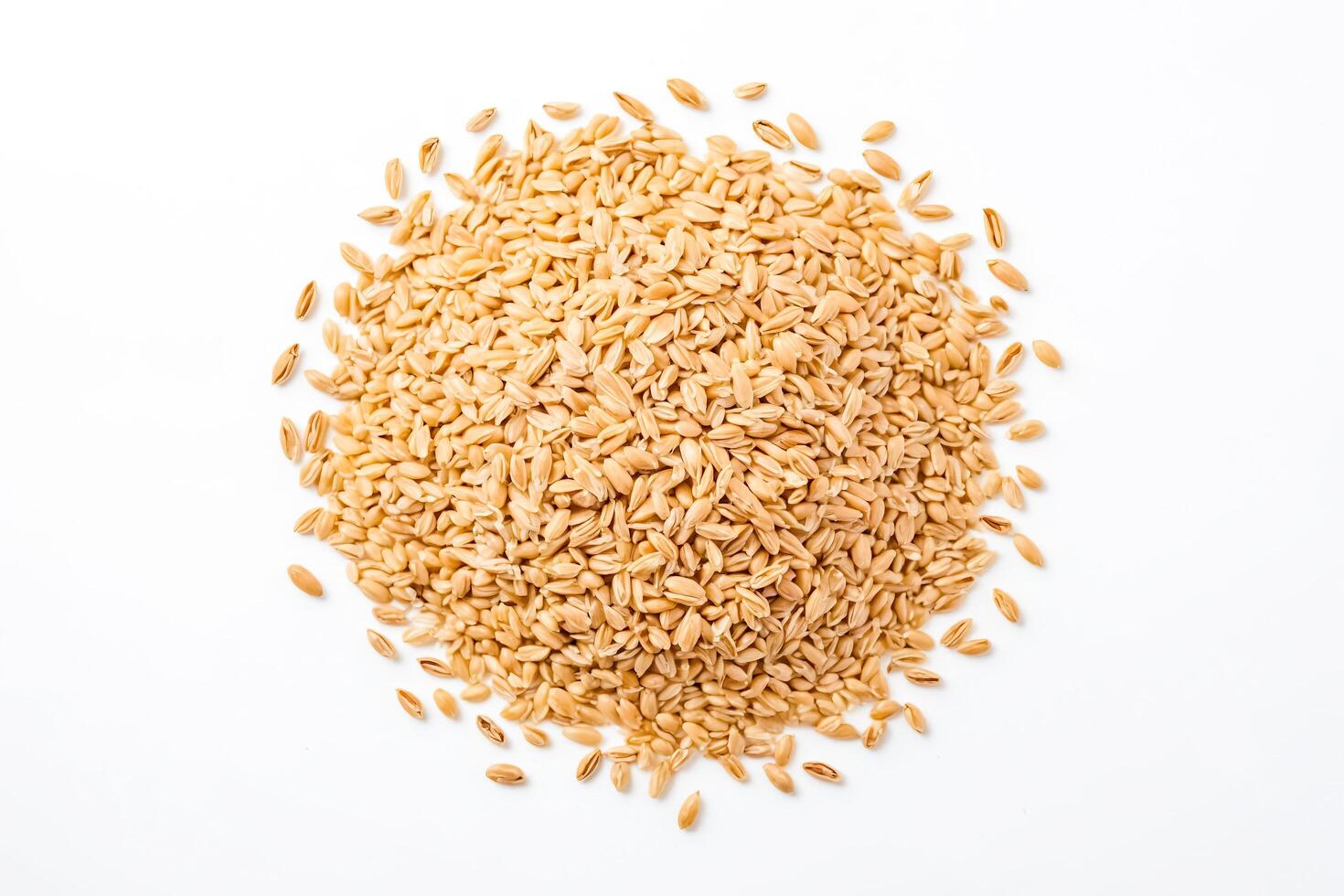
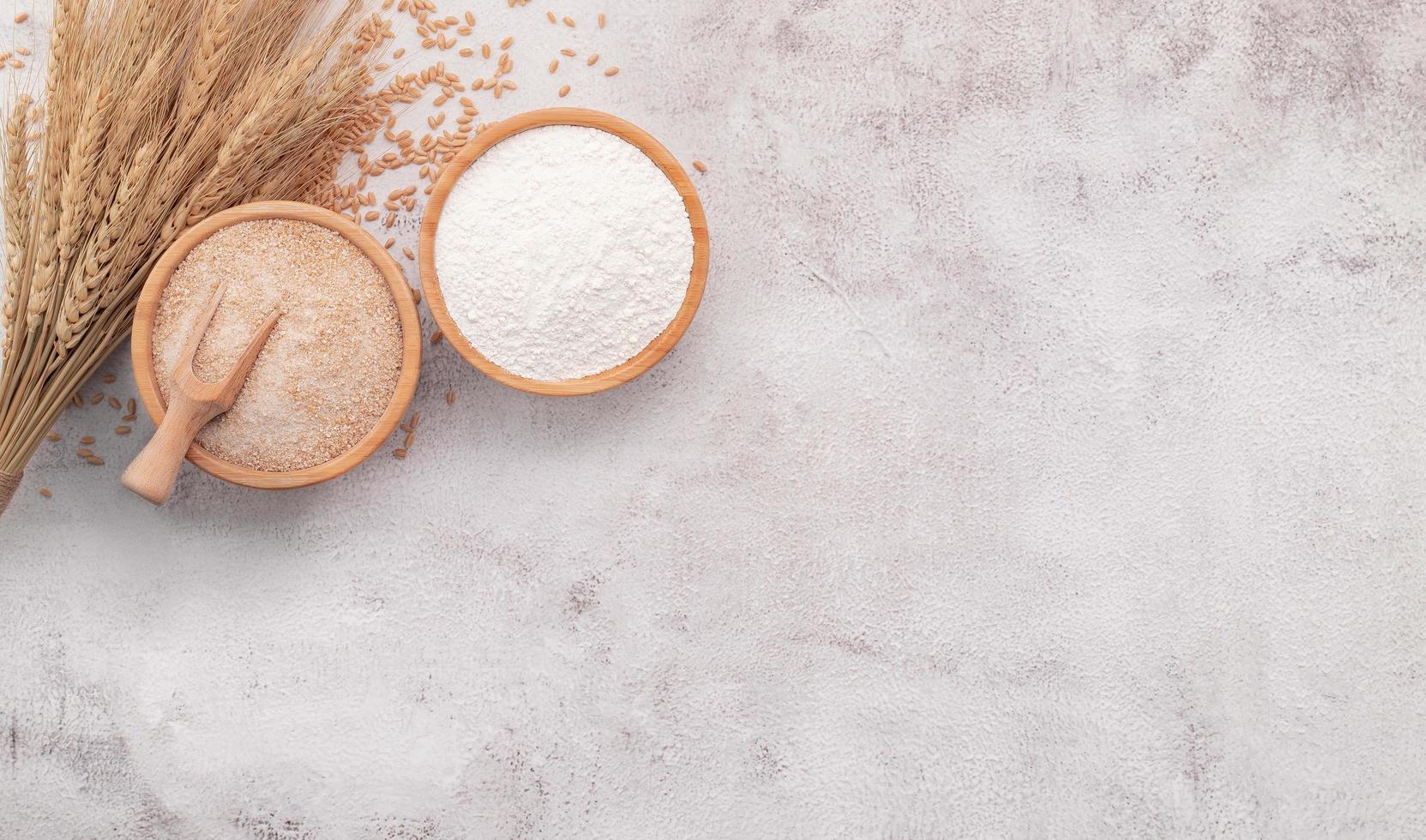
Einkorn flour is not gluten-free, as it contains gluten proteins. However, it has a different gluten structure compared to modern wheat varieties, which some people with gluten sensitivities may find easier to digest, though it’s still not suitable for those with celiac disease or severe gluten intolerance.
Quick Tips
1Lower gluten content: Easier to digest for some people with gluten sensitivities (not suitable for celiac disease)
2Higher protein content: Contains more protein than modern wheat varieties
3Rich in antioxidants: Especially lutein, which supports eye health
# In This Article
3 sectionsQuick navigation to each section of this article:
1 Benefits of Einkorn Flour
Lower gluten content: Easier to digest for some people with gluten sensitivities (not suitable for celiac disease)
Jump2 Who should avoid Einkorn Flour
People with Celiac Disease: Although Einkorn contains less gluten than modern wheat, it still contains gluten and is not safe for those with Celiac Disease.
Jump3 Gluten Free Alternatives
Here are five gluten-free alternatives to Einkorn Flour, along with short descriptions for each:
JumpBenefits of Einkorn Flour
| Benefits of Einkorn Flour |
|---|
| Lower gluten content: Easier to digest for some people with gluten sensitivities (not suitable for celiac disease) |
| Higher protein content: Contains more protein than modern wheat varieties |
| Rich in antioxidants: Especially lutein, which supports eye health |
| High in minerals: Particularly zinc, iron, and manganese |
| Contains more essential fatty acids: Especially oleic acid and linoleic acid |
| Higher in carotenoids: Provides beta-carotene, which the body converts to vitamin A |
| Lower in FODMAPs: May be better tolerated by people with irritable bowel syndrome |
| Higher in thiamin (vitamin B1): Important for energy metabolism and nervous system function |
| Contains more riboflavin (vitamin B2): Supports cellular function and energy production |
| Non-GMO: Einkorn is an ancient grain that hasn’t been genetically modified |
| Less phytic acid: May allow for better absorption of nutrients |
| Lower glycemic index: Potentially better for blood sugar management |
| Richer flavor profile: May increase satisfaction and potentially reduce overconsumptionRemember that while einkorn flour offers these potential benefits, it’s still a form of wheat and contains gluten, so it’s not suitable for those with celiac disease or severe gluten intolerance. |
Who should avoid Einkorn Flour
| Who should avoid Einkorn Flour |
|---|
| People with Celiac Disease: Although Einkorn contains less gluten than modern wheat, it still contains gluten and is not safe for those with Celiac Disease. |
| Individuals with Non-Celiac Gluten Sensitivity: These people may still react negatively to the gluten in Einkorn flour. |
| Those with Wheat Allergies: Einkorn is still a type of wheat and can cause allergic reactions in people with wheat allergies. |
| People on a Gluten-Free Diet: For medical or personal reasons, those avoiding gluten should not consume Einkorn flour. |
| Individuals with FODMAPs Sensitivities: Einkorn contains FODMAPs, which can cause digestive issues for some people. |
| Those with Compromised Immune Systems: Without proper guidance from a healthcare professional, they should be cautious about introducing new foods like Einkorn. |
| Pregnant Women: They should consult their healthcare provider before adding Einkorn to their diet, especially if they’re not accustomed to it. |
| People Taking Certain Medications: Some medications may interact with compounds in wheat products, including Einkorn.Always consult with a healthcare professional or registered dietitian before making significant changes to your diet, especially if you have existing health conditions or concerns. |
Gluten Free Alternatives
Here are five gluten-free alternatives to Einkorn Flour, along with short descriptions for each:
| Gluten Free Alternatives |
|---|
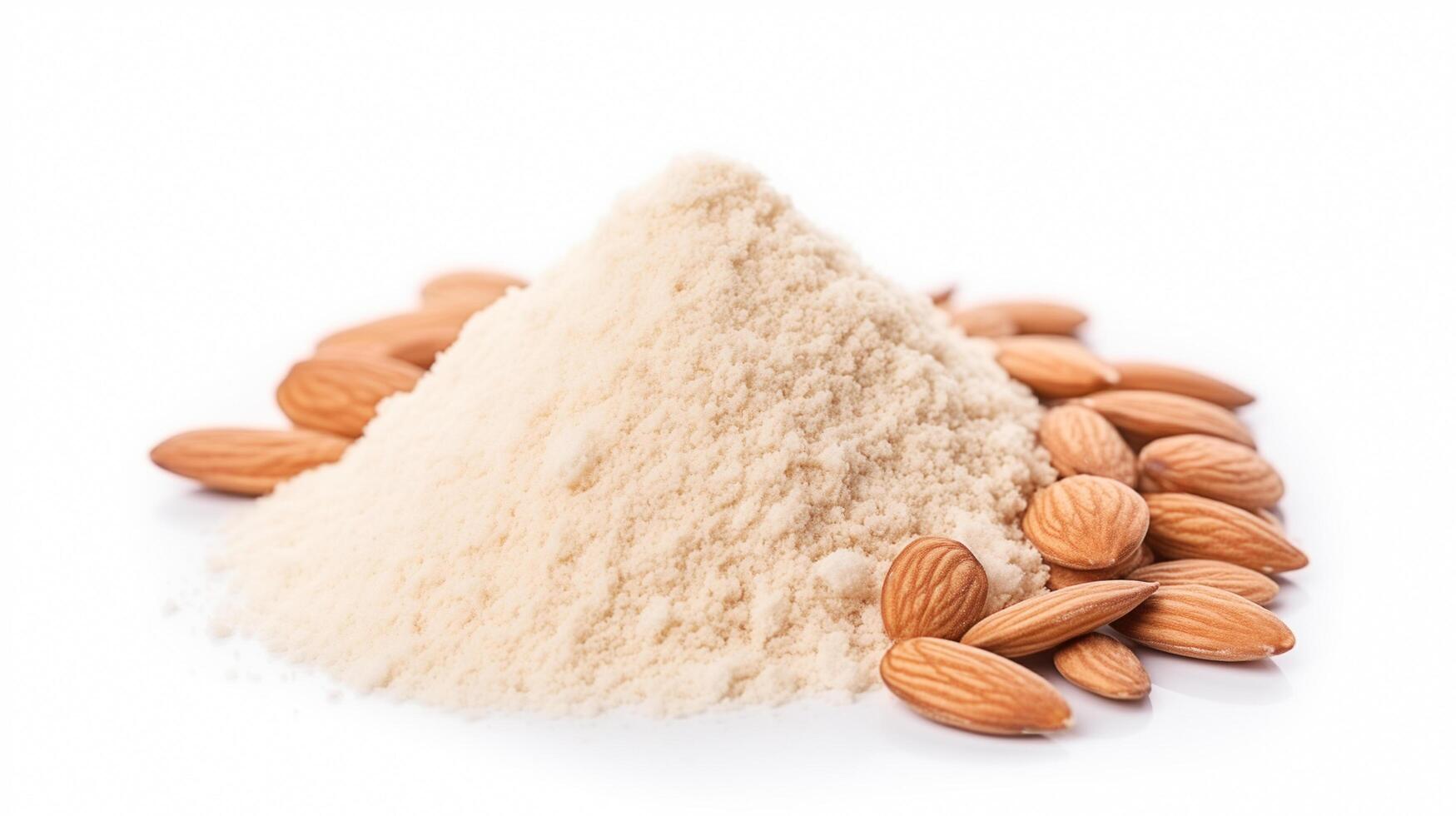
| Almond Flour:Made from finely ground blanched almonds, this flour is high in protein and healthy fats. It has a slightly nutty flavor and works well in baked goods, providing a moist texture. |
| Coconut Flour:Produced from dried, ground coconut meat, this flour is high in fiber and low in carbohydrates. It's very absorbent and requires more liquid in recipes, often yielding dense, moist results. |
| Buckwheat Flour:Despite its name, buckwheat is not related to wheat and is naturally gluten-free. It has a strong, earthy flavor and is rich in nutrients. It's commonly used in pancakes, noodles, and some traditional breads. |
| Quinoa Flour:Made from ground quinoa seeds, this flour is high in protein and provides all nine essential amino acids. It has a slightly nutty, earthy flavor and works well in combination with other gluten-free flours. |
| Rice Flour:Available in both white and brown varieties, rice flour is mild in flavor and versatile. It's often used as a base in gluten-free flour blends and works well for thickening sauces and making crispy coatings. |
Health Information
? Frequently Asked Questions
4 questions1 Is einkorn ok for gluten intolerance?
2 Is einkorn flour less inflammatory?
3 What is a gluten-free substitute for einkorn flour?
4 Is einkorn flour healthier than regular flour?
Our Expert
Drs. Ilse van Asperen
Orthomolecular Therapist, Nutritional Coach & Professional Editor
Drs. Ilse van Asperen is a medical doctor specialising in orthomolecular therapy and nutritional coaching. With a background in public and clinical health research and management, she focuses on addressing the root causes of health issues through diet, gut health, and stress reduction. As a professional editor for Little Helpers, she reviews all gluten-free content to ensure accuracy, safety, and scientific credibility. Read more on Drs. Ilse van Asperen's own website
Our Sources
The information on this page is based on reputable health and nutrition organisations, ensuring accuracy and reliability for anyone following a gluten-free diet. For further details, see the sources below.