Share
TL;DR
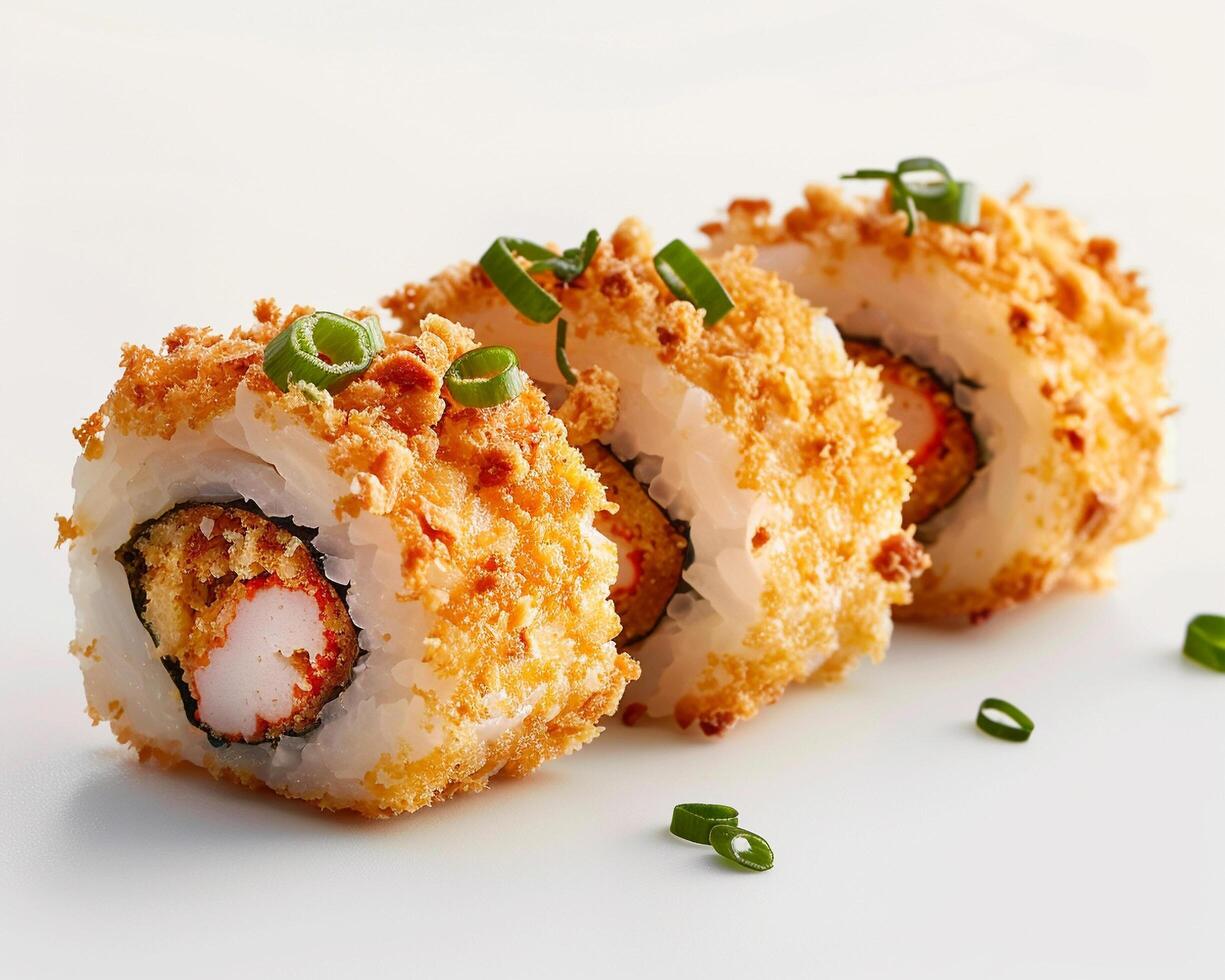
Fried sushi typically contains gluten due to the tempura batter, which is made with wheat flour. However, some restaurants may offer gluten-free options using alternative flours or preparation methods, so it’s best to check with the specific establishment or recipe if you require a gluten-free option.
Quick Tips
1High in protein from fish
2Rich in omega-3 fatty acids
3Good source of vitamins and minerals
# In This Article
3 sectionsQuick navigation to each section of this article:
1 Benefits of Fried Sushi
High in protein from fish
Jump2 Who should avoid Fried Sushi
Individuals with high cholesterol or heart disease, due to the high fat content from frying
Jump3 Gluten Free Alternatives
Here are five gluten-free alternatives to Fried Sushi, along with short descriptions:
JumpBenefits of Fried Sushi
| Benefits of Fried Sushi |
|---|
| High in protein from fish |
| Rich in omega-3 fatty acids |
| Good source of vitamins and minerals |
| Low in calories (when prepared traditionally) |
| Contains seaweed, which is rich in iodine and other nutrients |
| Can provide a good balance of carbohydrates, proteins, and fatsIt’s important to note that deep-frying sushi would add significant calories and unhealthy fats, negating many of these health benefits. If you’re looking for a healthier option, it’s best to stick with traditional sushi preparations. |
Who should avoid Fried Sushi
| Who should avoid Fried Sushi |
|---|
| Individuals with high cholesterol or heart disease, due to the high fat content from frying |
| People with diabetes, as fried foods can cause rapid spikes in blood sugar levels |
| Those on a low-fat or calorie-restricted diet |
| Individuals with gallbladder issues or a history of gallstones |
| People with acid reflux or GERD, as fried foods can exacerbate symptoms |
| Pregnant women, due to the potential risk of foodborne illness from undercooked fish |
| Individuals with compromised immune systems, for the same reason as pregnant women |
| Those with seafood allergies, depending on the type of fish used in the sushi |
| People trying to maintain traditional Japanese culinary practices, as fried sushi is not considered authentic |
| Individuals with pancreatitis or other digestive disorders that are aggravated by high-fat foods |
| Those following a raw food diet, as the frying process cooks the ingredients |
| People trying to avoid processed or deep-fried foods for overall health reasonsRemember, while these groups should be particularly cautious, moderation is key for everyone when it comes to consuming fried foods. |
Gluten Free Alternatives
Here are five gluten-free alternatives to Fried Sushi, along with short descriptions:
| Gluten Free Alternatives |
|---|
| Sashimi Platter- Raw, thinly sliced fish or seafood served without rice- Naturally gluten-free and low in calories- Offers a pure taste of fresh fish |
| Rice Paper Rolls- Also known as summer rolls or fresh spring rolls- Filled with vegetables, herbs, and protein wrapped in rice paper- Light, refreshing, and gluten-free when made with appropriate fillings |
| Poke Bowl- Hawaiian-inspired dish featuring cubed raw fish, vegetables, and toppings- Served over rice or salad greens- Customizable and gluten-free when using gluten-free sauces |
| Nori Wraps- Sushi-grade fish and vegetables wrapped in nori (seaweed) sheets- No rice is used, making it a low-carb, gluten-free option- Offers a similar flavor profile to sushi without the fried element |
| Cauliflower Sushi- Sushi rolls made with cauliflower "rice" instead of traditional sushi rice- Can be filled with various vegetables and proteins- Provides a low-carb, gluten-free alternative that mimics the texture of sushi |
Health Information
? Frequently Asked Questions
4 questions1 Is friendly's homemade vanilla ice cream gluten-free?
2 Is friendly's chocolate chip ice cream gluten-free in the USA?
3 How do you know if ice cream is gluten-free?
4 What are the ingredients in Friendly's ice cream?
Our Expert
Drs. Ilse van Asperen
Orthomolecular Therapist, Nutritional Coach & Professional Editor
Drs. Ilse van Asperen is a medical doctor specialising in orthomolecular therapy and nutritional coaching. With a background in public and clinical health research and management, she focuses on addressing the root causes of health issues through diet, gut health, and stress reduction. As a professional editor for Little Helpers, she reviews all gluten-free content to ensure accuracy, safety, and scientific credibility. Read more on Drs. Ilse van Asperen's own website
Our Sources
The information on this page is based on reputable health and nutrition organisations, ensuring accuracy and reliability for anyone following a gluten-free diet. For further details, see the sources below.