Share
TL;DR
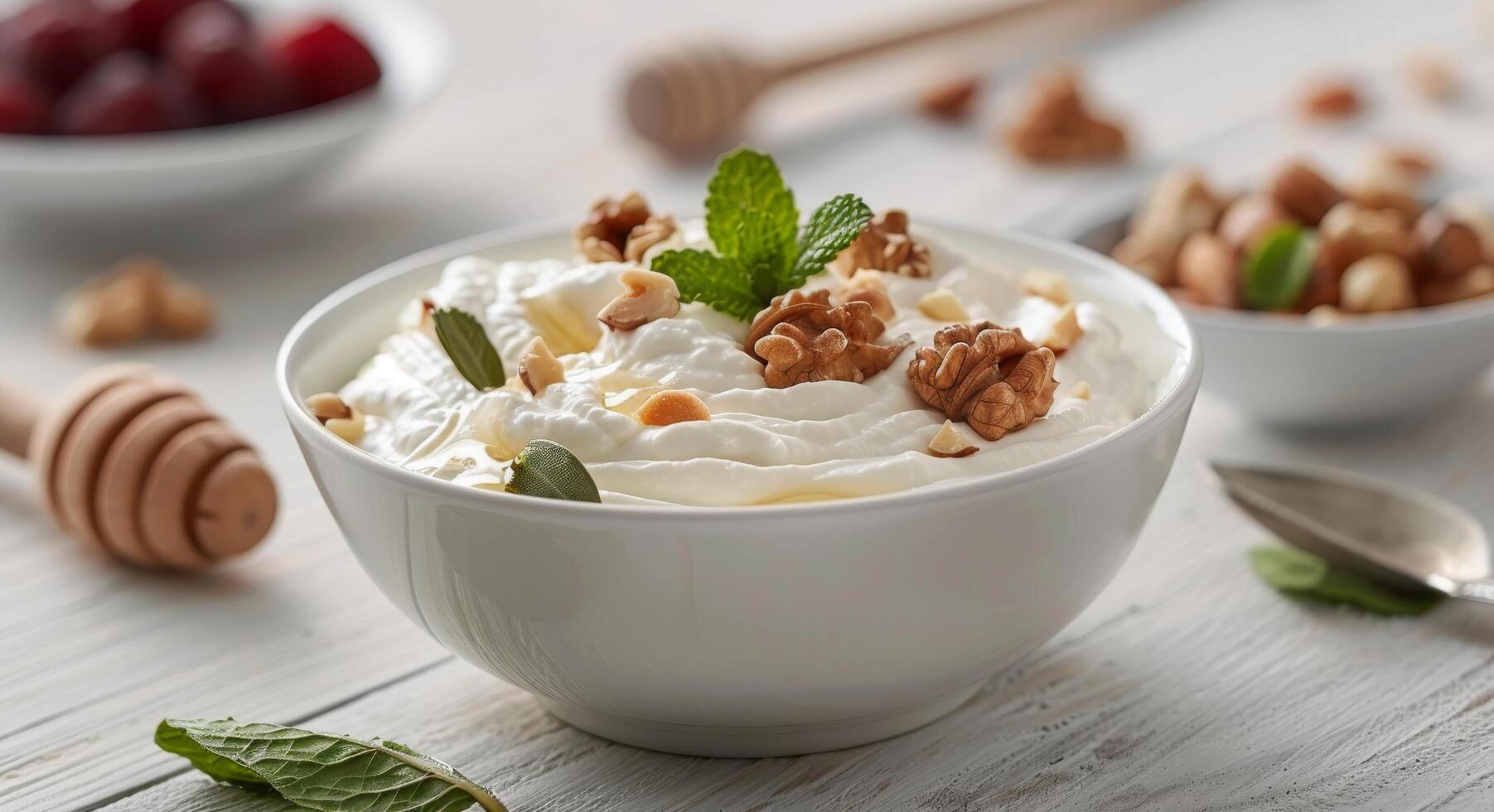
Generally speaking, plain frozen yogurt is gluten-free as it’s typically made from milk, yogurt cultures, and sweeteners. However, some flavored varieties or toppings may contain gluten, so it’s important to check the ingredients or ask the manufacturer if you have celiac disease or gluten sensitivity.
Quick Tips
1Lower in calories: Generally contains fewer calories than regular ice cream
2Probiotic content: May contain live cultures that promote gut health
3Good source of calcium: Helps maintain strong bones and teeth
# In This Article
3 sectionsQuick navigation to each section of this article:
1 Benefits of Frozen Yogurt
Lower in calories: Generally contains fewer calories than regular ice cream
Jump2 Who should avoid Frozen Yogurt
Individuals with lactose intolerance: Frozen yogurt contains dairy and may cause digestive issues for those who are lactose intolerant.
Jump3 Related Gluten Free Products
Here are five gluten-free options similar to Frozen Yogurt, along with short descriptions:
JumpBenefits of Frozen Yogurt
| Benefits of Frozen Yogurt |
|---|
| Lower in calories: Generally contains fewer calories than regular ice cream |
| Probiotic content: May contain live cultures that promote gut health |
| Good source of calcium: Helps maintain strong bones and teeth |
| Lower in fat: Often contains less fat than traditional ice cream |
| Protein source: Provides a moderate amount of protein |
| Vitamin B12: Contains this essential vitamin, important for nerve function and blood cell formation |
| Easier to digest: May be better tolerated by those with lactose sensitivity compared to regular ice cream |
| Potassium content: Contains this important mineral for heart and muscle function |
| Phosphorus: Provides this mineral, which is essential for bone health |
| Vitamin D: Some frozen yogurts are fortified with vitamin D, supporting bone health and immune function |
| Versatile: Can be combined with healthy toppings like fresh fruits and nuts for added nutritional benefits |
| Portion control: Often served in smaller portions, which can aid in weight managementRemember that these benefits can vary depending on the specific brand and recipe, and frozen yogurt should still be consumed in moderation as part of a balanced diet. |
Who should avoid Frozen Yogurt
| Who should avoid Frozen Yogurt |
|---|
| Individuals with lactose intolerance: Frozen yogurt contains dairy and may cause digestive issues for those who are lactose intolerant. |
| People with dairy allergies: Frozen yogurt is made from milk and can trigger allergic reactions in those with dairy allergies. |
| Diabetics: Many frozen yogurt varieties are high in sugar, which can affect blood glucose levels. |
| Those on a low-sugar diet: Frozen yogurt often contains added sugars, even in “sugar-free” varieties. |
| Individuals following a vegan lifestyle: Traditional frozen yogurt is made from animal milk products. |
| People with certain gastrointestinal conditions: Some may find that frozen yogurt exacerbates symptoms of conditions like irritable bowel syndrome (IBS). |
| Those watching their calorie intake: While often marketed as a healthier alternative to ice cream, frozen yogurt can still be high in calories. |
| Individuals sensitive to artificial sweeteners: Some “sugar-free” frozen yogurts use artificial sweeteners that can cause digestive issues for some people. |
| Those with weakened immune systems: In rare cases, if the yogurt cultures are not properly maintained, there could be a risk of harmful bacteria growth. |
| People with calcium oxalate kidney stones: The high calcium content in dairy products like frozen yogurt may be problematic for these individuals.Remember, it’s always best to consult with a healthcare professional or registered dietitian for personalized dietary advice. |
Related Gluten Free Products
Here are five gluten-free options similar to Frozen Yogurt, along with short descriptions:
| Related Gluten Free Products |
|---|
| Sorbet: A frozen dessert made from sweetened water flavored with fruit puree, juice, or other natural flavorings. It's typically dairy-free and lighter than ice cream. |
| Gelato: An Italian-style ice cream that's denser and silkier than regular ice cream. Many gelato flavors are naturally gluten-free, but it's important to check for any added ingredients. |
| Nice Cream: A dairy-free frozen dessert made primarily from blended frozen bananas. It can be flavored with various fruits, nuts, or other natural ingredients. |
| Coconut Milk Ice Cream: A creamy, non-dairy frozen dessert made with coconut milk as its base. It offers a rich texture and tropical flavor profile. |
| Chia Seed Pudding: While not frozen, this cold dessert is made by soaking chia seeds in milk (dairy or plant-based) and flavoring with fruits, sweeteners, or spices. It can be served chilled for a refreshing, nutrient-rich treat. |
Health Information
? Frequently Asked Questions
4 questions1 Is a fruit roll up gluten-free?
2 What are the ingredients in Fruit by the Foot?
3 Are fruit gummies gluten-free?
4 Are all Welch's gluten-free?
Our Expert
Drs. Ilse van Asperen
Orthomolecular Therapist, Nutritional Coach & Professional Editor
Drs. Ilse van Asperen is a medical doctor specialising in orthomolecular therapy and nutritional coaching. With a background in public and clinical health research and management, she focuses on addressing the root causes of health issues through diet, gut health, and stress reduction. As a professional editor for Little Helpers, she reviews all gluten-free content to ensure accuracy, safety, and scientific credibility. Read more on Drs. Ilse van Asperen's own website
Our Sources
The information on this page is based on reputable health and nutrition organisations, ensuring accuracy and reliability for anyone following a gluten-free diet. For further details, see the sources below.