Is Fruit Gluten Free?

Is Fruit Gluten Free?

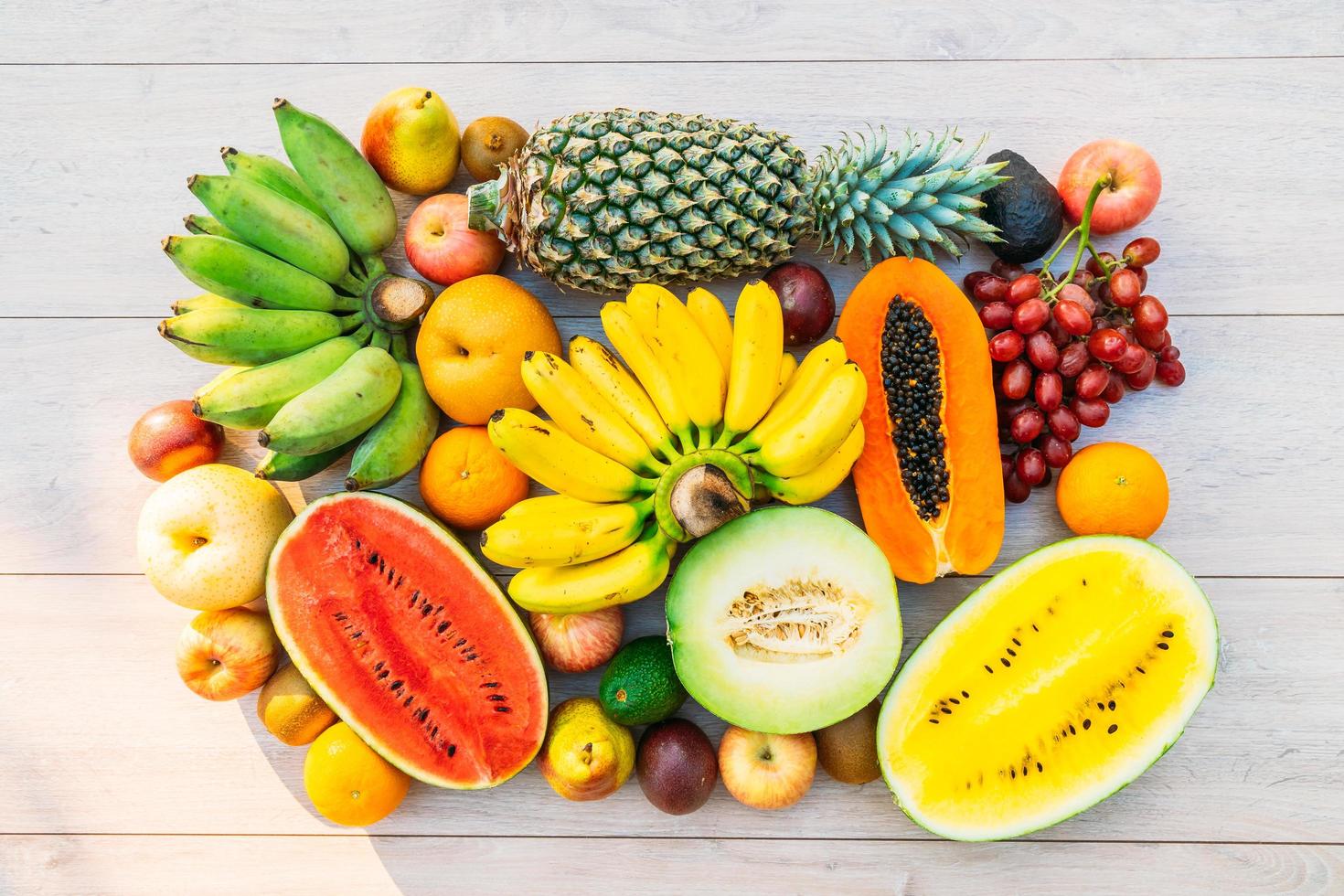
Yes, fruits are naturally gluten-free. Gluten is a protein found in wheat, barley, and rye, which are not present in fruits.

TL;DR

Yes, fruits are naturally gluten-free. Gluten is a protein found in wheat, barley, and rye, which are not present in fruits.

Quick Tips

1

Rich in essential vitamins and minerals

2

High in dietary fiber, which aids digestion

3

Provides natural antioxidants that fight free radicals

# In This Article

3 sections

Quick navigation to each section of this article:

1 Benefits of Fruit

Rich in essential vitamins and minerals

Jump
2 Who should avoid Fruit

People with diabetes or pre-diabetes (due to high sugar content in some fruits)

Jump
3 Related Gluten Free Products

Here are five gluten-free options similar to Fruit, along with short descriptions:

Jump

Benefits of Fruit

Benefits of Fruit
Rich in essential vitamins and minerals
High in dietary fiber, which aids digestion
Provides natural antioxidants that fight free radicals
Helps maintain healthy blood pressure
Supports heart health
May reduce the risk of certain cancers
Promotes healthy skin and hair
Boosts immune system function
Helps control blood sugar levels
Supports weight management
Provides natural hydration
Improves brain function and memory
Reduces inflammation in the body
Enhances eye health
Supports bone health
May lower the risk of type 2 diabetes
Provides natural energy
Helps maintain electrolyte balance
Supports respiratory health
May improve mood and mental well-beingRemember that different fruits offer various combinations of these benefits, so consuming a variety of fruits is recommended for optimal health.

Who should avoid Fruit

Who should avoid Fruit
People with diabetes or pre-diabetes (due to high sugar content in some fruits)
Those with fructose intolerance or fructose malabsorption
Individuals on a low-FODMAP diet for digestive issues
People with certain food allergies (e.g., kiwi, citrus fruits)
Those with oral allergy syndrome (pollen-food allergy syndrome)
Individuals with kidney problems (due to high potassium content in some fruits)
People taking certain medications that interact with grapefruit or grapefruit juice
Those on a ketogenic diet or very low-carb diet
Individuals with specific gastrointestinal disorders (e.g., Crohn’s disease, ulcerative colitis)
People with latex allergies (due to cross-reactivity with some fruits)
Those with histamine intolerance (particularly for certain high-histamine fruits)
Individuals following a low-oxalate diet (for certain fruits high in oxalates)
People with specific dental issues or sensitive teethNote that these are general guidelines, and individual needs may vary. It’s always best to consult with a healthcare professional or registered dietitian for personalized advice.
ENJOY YOUR FAVORITE FOODS FEARLESSLY!
Don’t let gluten hold you back. Take Anti-Gluten Pills before your meal and enjoy peace of mind.
SHOP ANTI-GLUTEN PILLS
Clinically proven · Up to 86% gluten reduction · Fast acting

Here are five gluten-free options similar to Fruit, along with short descriptions:

Related Gluten Free Products
Vegetables: A wide variety of fresh, raw, or cooked vegetables are naturally gluten-free and provide essential vitamins, minerals, and fiber. They can be eaten raw, steamed, roasted, or incorporated into various dishes.
Nuts and Seeds: These nutrient-dense foods are naturally gluten-free and offer healthy fats, protein, and various micronutrients. They can be eaten as snacks, added to salads, or used in baking.
Legumes: Beans, lentils, and peas are gluten-free sources of protein, fiber, and complex carbohydrates. They can be used in soups, stews, salads, or as meat substitutes in many dishes.
Gluten-free Grains: Options like quinoa, rice, millet, and buckwheat are naturally gluten-free and provide essential nutrients and energy. They can be used as side dishes, in salads, or as bases for various meals.
Dairy Products: Most plain dairy products, including milk, yogurt, and cheese, are naturally gluten-free and provide calcium and protein. They can be consumed on their own or used in cooking and baking gluten-free dishes.

Health Information

? Frequently Asked Questions

4 questions
1 What cereals are gluten free?
Many cereals made from naturally gluten-free grains like rice, corn, and quinoa are gluten-free options. Popular gluten-free cereals include Rice Krispies, Corn Flakes, and Chex (except Wheat Chex). Oats are naturally gluten-free, but may be contaminated during processing, so look for certified gluten-free oat cereals. Always check labels carefully, as some cereals may contain hidden sources of gluten or be processed in facilities that handle wheat products.
2 What ingredient is in Fruit Loops?
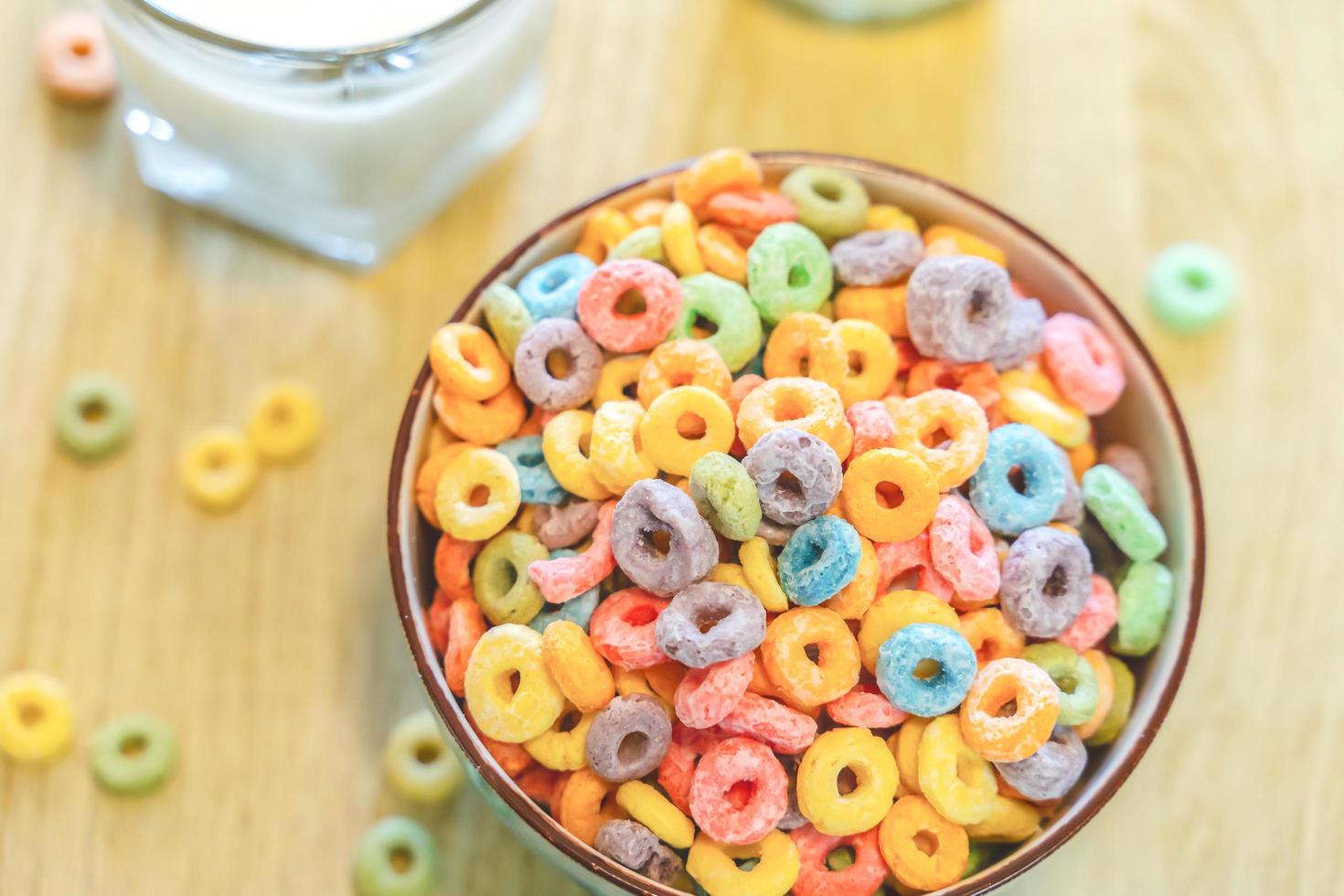
Fruit Loops primarily contain corn flour as their main ingredient. Despite their fruity flavor, they do not actually contain any real fruit. The cereal gets its taste from a blend of artificial fruit flavors. The bright colors come from various food dyes.
3 Is Fruit Loops whole grain cereal?
Fruit Loops is not considered a whole grain cereal. While it does contain some whole grain corn flour, it is primarily made of refined grains and sugar. The first ingredient listed is sugar, followed by corn flour blend, which includes both whole grain and refined corn flour. Therefore, Fruit Loops does not meet the criteria to be classified as a whole grain cereal.
4 Are Honey Loops gluten free?
Honey Loops, a popular breakfast cereal, are not gluten-free. They contain wheat as one of their main ingredients, which is a source of gluten. This means that individuals with celiac disease or gluten sensitivity should avoid consuming Honey Loops. It's always important to carefully read ingredient labels if you have dietary restrictions related to gluten.
LIVE GLUTEN-FREE WITHOUT THE FUSS!
Introducing Tolerase® G, clinically proven to reduce up to 86% of gluten in under 10 minutes. Experience the freedom to eat what you love.
SHOP ANTI-GLUTEN PILLS
150mg pure Tolerase® G · Reduces gluten by 86% · Under 10 minutes

Our Expert

Drs. Ilse van Asperen, Orthomolecular Therapist and Nutritional Coach

Drs. Ilse van Asperen

Orthomolecular Therapist, Nutritional Coach & Professional Editor

Drs. Ilse van Asperen is a medical doctor specialising in orthomolecular therapy and nutritional coaching. With a background in public and clinical health research and management, she focuses on addressing the root causes of health issues through diet, gut health, and stress reduction. As a professional editor for Little Helpers, she reviews all gluten-free content to ensure accuracy, safety, and scientific credibility. Read more on Drs. Ilse van Asperen's own website

Our Sources

The information on this page is based on reputable health and nutrition organisations, ensuring accuracy and reliability for anyone following a gluten-free diet. For further details, see the sources below.

Sources

Similar Articles

Back to blog