Is Glutinous Rice Gluten Free?

Is Glutinous Rice Gluten Free?

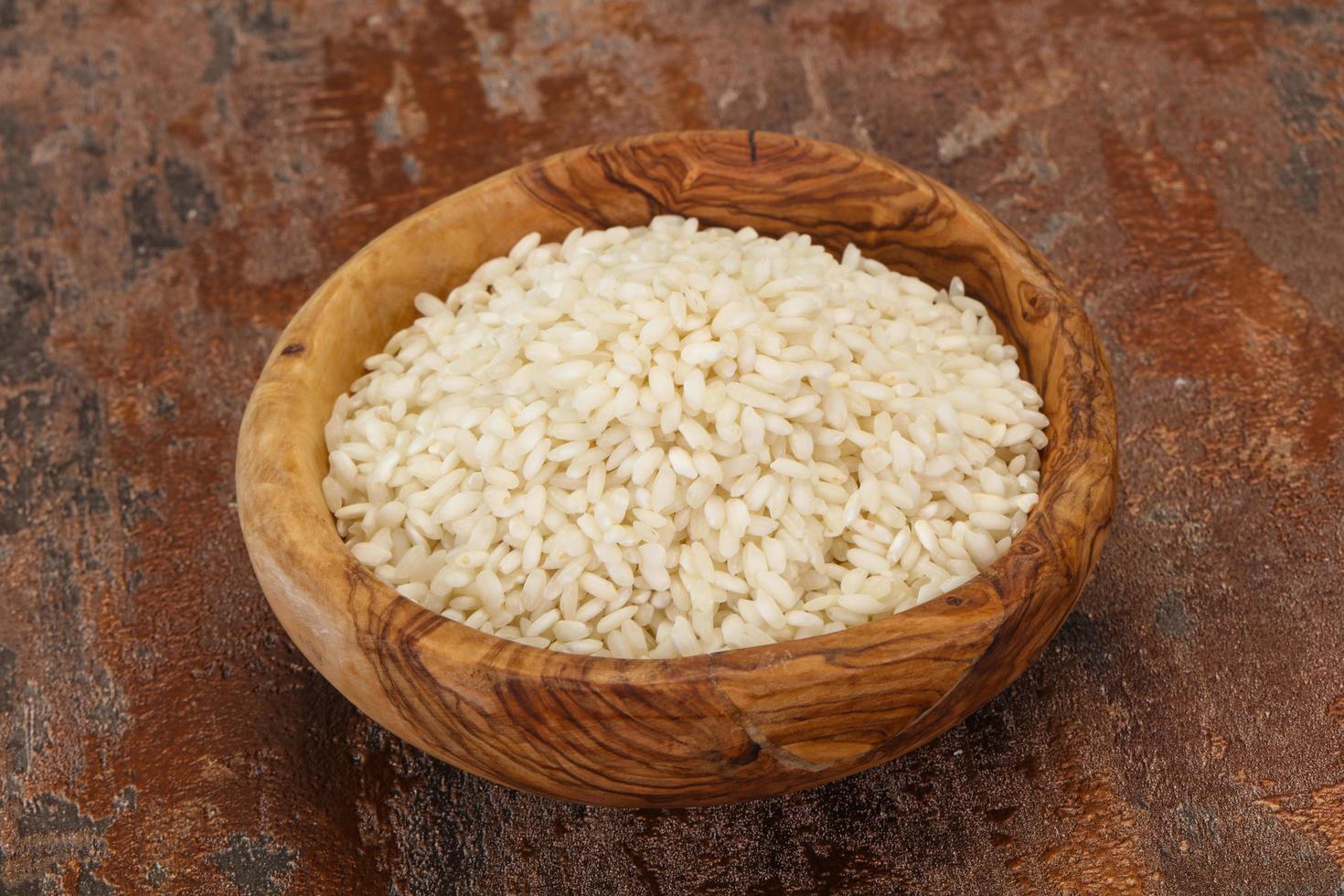
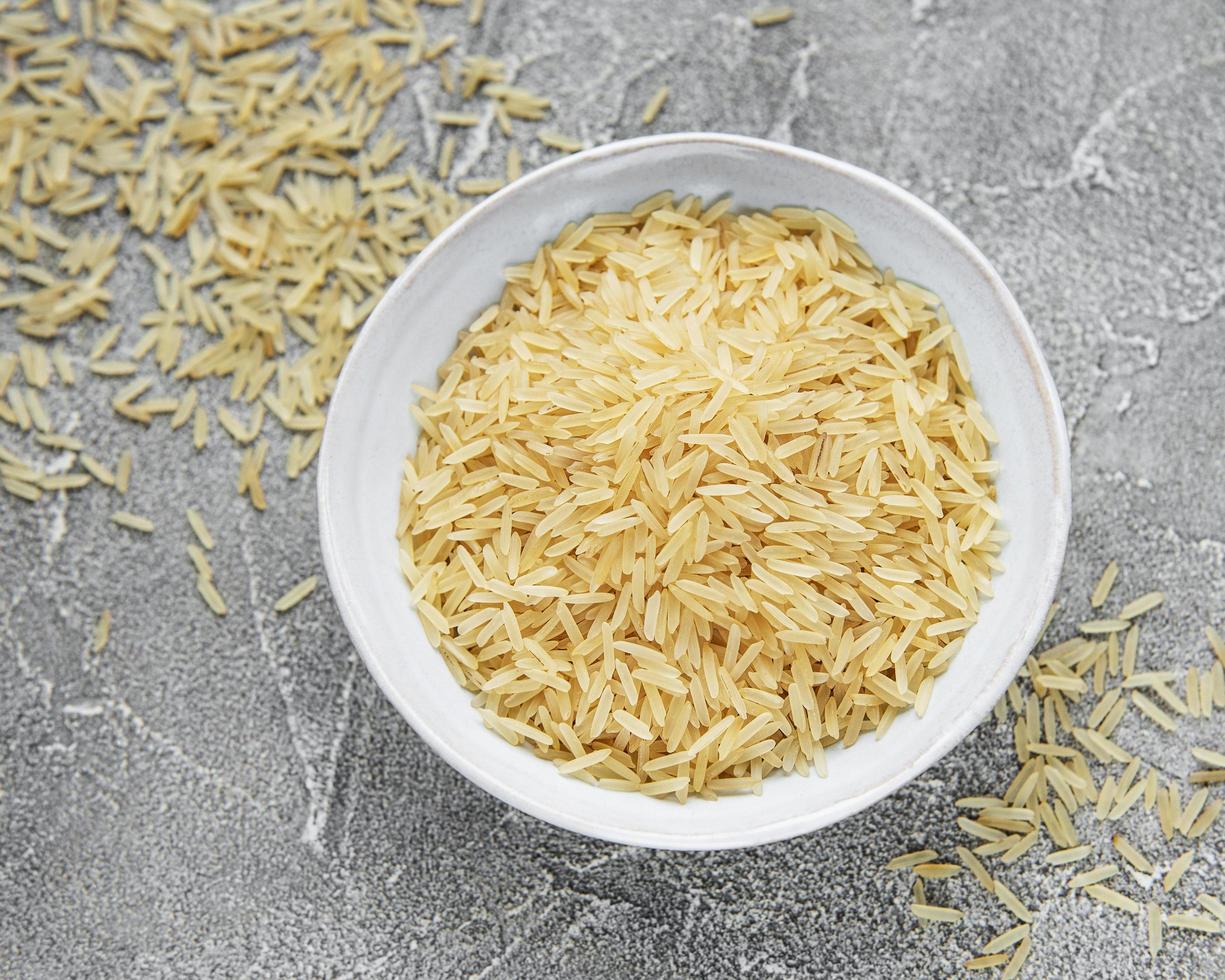
Glutinous rice, despite its name, is actually gluten-free. The term “glutinous” refers to the sticky texture of the rice when cooked, not to the presence of gluten protein found in wheat, barley, and rye.

TL;DR

Glutinous rice, despite its name, is actually gluten-free. The term “glutinous” refers to the sticky texture of the rice when cooked, not to the presence of gluten protein found in wheat, barley, and rye.

Quick Tips

1

High in complex carbohydrates, providing sustained energy

2

Low in fat content

3

Gluten-free, making it suitable for people with celiac disease or gluten sensitivity

# In This Article

3 sections

Quick navigation to each section of this article:

1 Benefits of Glutinous Rice

High in complex carbohydrates, providing sustained energy

Jump
2 Who should avoid Glutinous Rice

People with celiac disease: Although glutinous rice is naturally gluten-free, some individuals with celiac disease may still experience sensitivity to it.

Jump
3 Related Gluten Free Products

Here are five gluten-free options similar to glutinous rice, along with short descriptions:

Jump

Benefits of Glutinous Rice

Benefits of Glutinous Rice
High in complex carbohydrates, providing sustained energy
Low in fat content
Gluten-free, making it suitable for people with celiac disease or gluten sensitivity
Contains resistant starch, which may improve gut health and aid in weight management
Rich in manganese, an essential mineral for bone health and metabolism
Good source of selenium, which supports thyroid function and acts as an antioxidant
Contains B vitamins, particularly thiamin and niacin, important for energy metabolism
Provides small amounts of iron, which is crucial for blood health
Low glycemic index compared to regular white rice, potentially better for blood sugar control
Contains antioxidants, particularly in black glutinous rice varieties
May help improve digestive health due to its fiber content
Can be part of a balanced diet for individuals with diabetes when consumed in moderation
Traditionally used in some cultures for its perceived benefits in postpartum recovery
May contribute to feelings of fullness and satiety, potentially aiding in portion controlIt’s important to note that while glutinous rice has these potential benefits, it should be consumed as part of a balanced diet, and individual nutritional needs may vary.

Who should avoid Glutinous Rice

Who should avoid Glutinous Rice
People with celiac disease: Although glutinous rice is naturally gluten-free, some individuals with celiac disease may still experience sensitivity to it.
Individuals with diabetes: Glutinous rice has a high glycemic index, which can cause rapid spikes in blood sugar levels.
Those on a low-carb diet: Glutinous rice is high in carbohydrates and may not fit into certain low-carb eating plans.
People with rice allergies: Although rare, some individuals may be allergic to rice, including glutinous rice.
Individuals with digestive issues: Some people may find glutinous rice harder to digest due to its sticky texture.
Those watching their calorie intake: Glutinous rice is calorie-dense and may not be suitable for people trying to reduce their calorie consumption.
Individuals with a history of arsenic sensitivity: Like other types of rice, glutinous rice may contain trace amounts of arsenic, which could be a concern for some people.
People with certain metabolic disorders: Those with conditions that affect carbohydrate metabolism may need to limit or avoid glutinous rice.It’s always best to consult with a healthcare professional or registered dietitian before making significant changes to your diet, especially if you have specific health concerns or dietary restrictions.
ENJOY YOUR FAVORITE FOODS FEARLESSLY!
Don’t let gluten hold you back. Take Anti-Gluten Pills before your meal and enjoy peace of mind.
SHOP ANTI-GLUTEN PILLS
Clinically proven · Up to 86% gluten reduction · Fast acting

Here are five gluten-free options similar to glutinous rice, along with short descriptions:

Related Gluten Free Products
Sorghum: A nutrient-rich, ancient grain with a mild, slightly sweet flavor. It has a chewy texture when cooked and can be used in porridges, pilafs, and as a rice substitute in various dishes.
Quinoa: A protein-packed seed that cooks up fluffy and light. It has a slightly nutty flavor and can be used in salads, as a side dish, or as a base for grain bowls.
Amaranth: A tiny, protein-rich seed with a slightly peppery taste. When cooked, it has a creamy consistency and can be used in porridges, as a thickener for soups and stews, or popped like popcorn for a crunchy snack.
Millet: A small, round grain with a mild, slightly nutty flavor. It cooks up fluffy and light, making it an excellent substitute for rice in many dishes, including pilafs and stir-fries.
Buckwheat: Despite its name, buckwheat is not related to wheat and is gluten-free. It has a robust, earthy flavor and can be used to make porridge, noodles (like soba), or as a rice substitute in various recipes.

Health Information

? Frequently Asked Questions

4 questions
1 Is there gluten in glycerin?
Glycerin itself does not contain gluten. It is a simple sugar alcohol compound that can be derived from plant or animal sources. However, some glycerin products may be contaminated with gluten during processing if they are manufactured in facilities that also process gluten-containing ingredients. To be certain, it's best to check with the manufacturer or look for products specifically labeled as gluten-free.
2 What is glycerin made of?
Glycerin, also known as glycerol, is a simple polyol compound. It is a colorless, odorless, viscous liquid that is sweet-tasting and non-toxic. Glycerin is derived from both natural and petrochemical sources, primarily as a byproduct of soap manufacturing and biodiesel production. Its molecular structure consists of three hydroxyl groups attached to a three-carbon backbone.
3 What is glycerin in cereal?
Glycerin is a sweet, colorless, odorless liquid that is sometimes used as an additive in cereals. It functions as a humectant, helping to retain moisture and prevent the cereal from becoming stale or dry. Glycerin can also act as a preservative, extending the shelf life of the cereal. While it's generally recognized as safe by food regulators, some people prefer to avoid it due to its synthetic nature or potential digestive effects in large amounts.
4 What thickeners are not gluten free?
Wheat flour is a common thickener that contains gluten. Barley flour and rye flour are also gluten-containing thickeners. Some modified food starches may contain gluten, depending on their source. Certain soup mixes or gravies may use gluten-containing thickeners as well.
LIVE GLUTEN-FREE WITHOUT THE FUSS!
Introducing Tolerase® G, clinically proven to reduce up to 86% of gluten in under 10 minutes. Experience the freedom to eat what you love.
SHOP ANTI-GLUTEN PILLS
150mg pure Tolerase® G · Reduces gluten by 86% · Under 10 minutes

Our Expert

Drs. Ilse van Asperen, Orthomolecular Therapist and Nutritional Coach

Drs. Ilse van Asperen

Orthomolecular Therapist, Nutritional Coach & Professional Editor

Drs. Ilse van Asperen is a medical doctor specialising in orthomolecular therapy and nutritional coaching. With a background in public and clinical health research and management, she focuses on addressing the root causes of health issues through diet, gut health, and stress reduction. As a professional editor for Little Helpers, she reviews all gluten-free content to ensure accuracy, safety, and scientific credibility. Read more on Drs. Ilse van Asperen's own website

Our Sources

The information on this page is based on reputable health and nutrition organisations, ensuring accuracy and reliability for anyone following a gluten-free diet. For further details, see the sources below.

Sources

Similar Articles

Back to blog