Share
TL;DR
Yes, goat milk is naturally gluten-free. Gluten is a protein found in wheat, barley, and rye, but it is not present in any type of animal milk, including goat milk.
Quick Tips
1Easier to digest than cow’s milk due to smaller fat globules and different protein structure
2Lower in lactose, making it a good option for some people with lactose intolerance
3Rich in calcium, supporting bone health
# In This Article
3 sectionsQuick navigation to each section of this article:
1 Benefits of Goat Milk
Easier to digest than cow’s milk due to smaller fat globules and different protein structure
Jump2 Who should avoid Goat Milk
People with confirmed milk allergy: Goat milk contains similar proteins to cow’s milk and can trigger allergic reactions in those with milk allergies.
Jump3 Related Gluten Free Products
Here are five similar gluten-free options like Goat Milk, along with short descriptions:
JumpBenefits of Goat Milk
| Benefits of Goat Milk |
|---|
| Easier to digest than cow’s milk due to smaller fat globules and different protein structure |
| Lower in lactose, making it a good option for some people with lactose intolerance |
| Rich in calcium, supporting bone health |
| Good source of potassium, which helps maintain healthy blood pressure |
| Contains medium-chain fatty acids, which may boost metabolism and aid weight loss |
| Higher in some vitamins and minerals compared to cow’s milk, including vitamin A, vitamin B6, and niacin |
| Contains selenium, an antioxidant that supports immune function |
| Naturally homogenized, meaning the cream doesn’t separate |
| May have anti-inflammatory properties |
| Contains oligosaccharides, which can act as prebiotics and support gut health |
| Rich in fatty acids that may help moisturize skin when applied topically |
| May help reduce cholesterol levels in some individuals |
| Contains bioactive compounds that may have anti-microbial properties |
| Potentially beneficial for people with certain milk protein allergies |
| May support healthy growth and development in infants and childrenRemember that while goat milk has many potential benefits, it’s always best to consult with a healthcare professional before making significant changes to your diet. |
Who should avoid Goat Milk
| Who should avoid Goat Milk |
|---|
| People with confirmed milk allergy: Goat milk contains similar proteins to cow’s milk and can trigger allergic reactions in those with milk allergies. |
| Individuals with lactose intolerance: While goat milk contains less lactose than cow’s milk, it still contains lactose and may cause problems for some lactose-intolerant people. |
| Those with alpha-S1 casein sensitivity: Although goat milk contains less of this protein than cow’s milk, sensitive individuals may still react. |
| Infants under one year old: Goat milk should not be used as a substitute for breast milk or approved infant formula. |
| People on a low-potassium diet: Goat milk is high in potassium and may not be suitable for those with kidney problems or on potassium-restricted diets. |
| Individuals with a compromised immune system: Unpasteurized goat milk can contain harmful bacteria and should be avoided by those with weakened immunity. |
| People taking certain medications: Goat milk can interact with some medications, so it’s best to consult a healthcare provider. |
| Those on a calorie-restricted diet: Goat milk is calorie-dense and may not fit into some weight loss plans. |
| Vegans and those avoiding animal products: Goat milk is an animal product and does not align with vegan diets.Always consult with a healthcare professional before making significant changes to your diet, especially if you have existing health conditions or concerns. |
Related Gluten Free Products
Here are five similar gluten-free options like Goat Milk, along with short descriptions:
| Related Gluten Free Products |
|---|
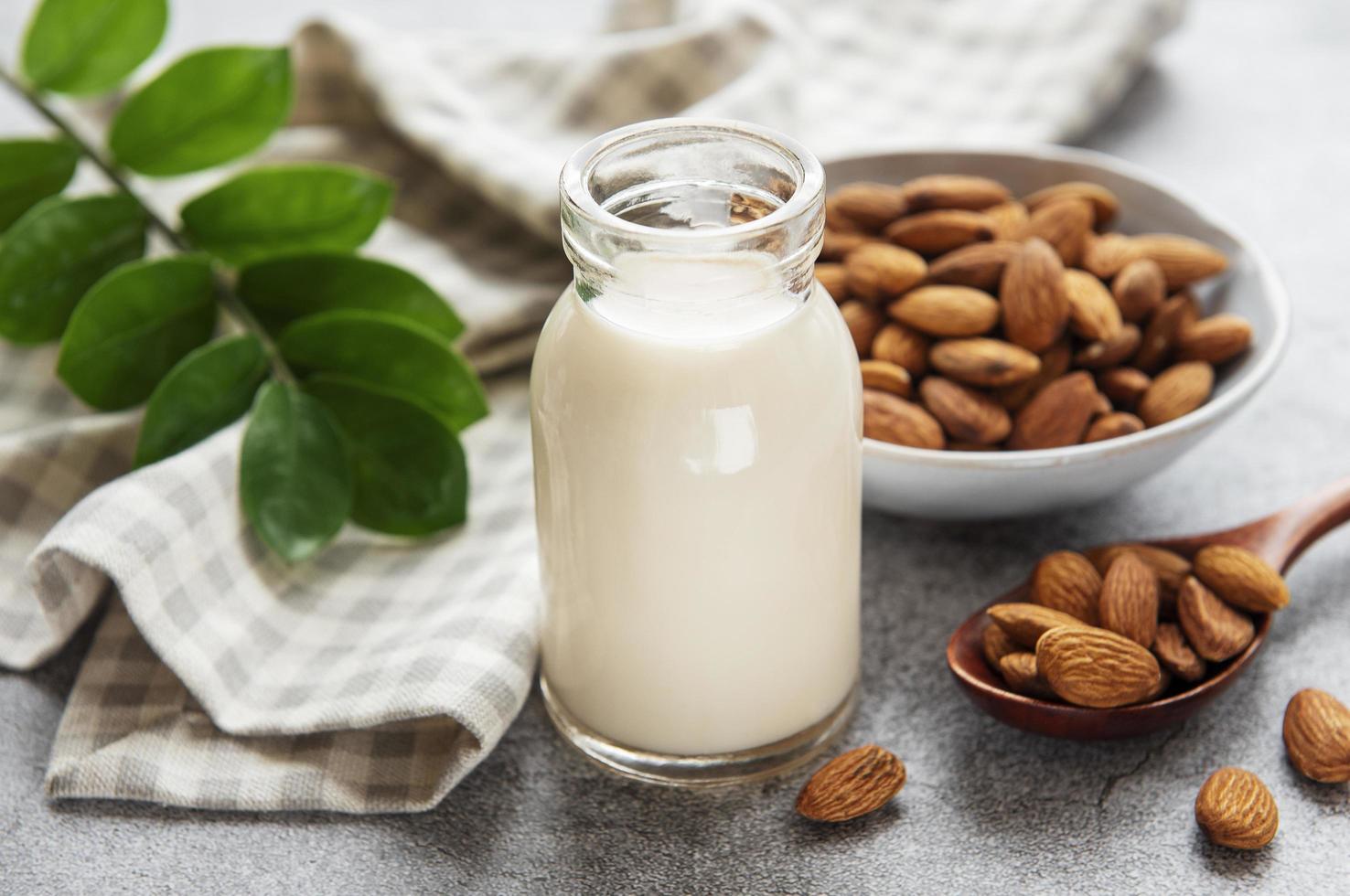
| Almond Milk: A plant-based milk made from ground almonds and water. It's naturally lactose-free, low in calories, and rich in vitamin E. Almond milk has a slightly nutty flavor and creamy texture. |
| Coconut Milk: Derived from the flesh of mature coconuts, this milk alternative is rich in medium-chain triglycerides (MCTs) and has a distinct tropical flavor. It's often used in cooking and baking, especially in Asian and Caribbean cuisines. |
| Rice Milk: Made from milled rice and water, this is one of the least allergenic milk alternatives. It has a naturally sweet taste and is often fortified with calcium and vitamins. Rice milk is thinner in consistency compared to other milk alternatives. |
| Hemp Milk: Produced from hemp seeds, this milk is rich in omega-3 and omega-6 fatty acids. It has a slightly nutty flavor and creamy consistency. Hemp milk is also a good source of plant-based protein. |
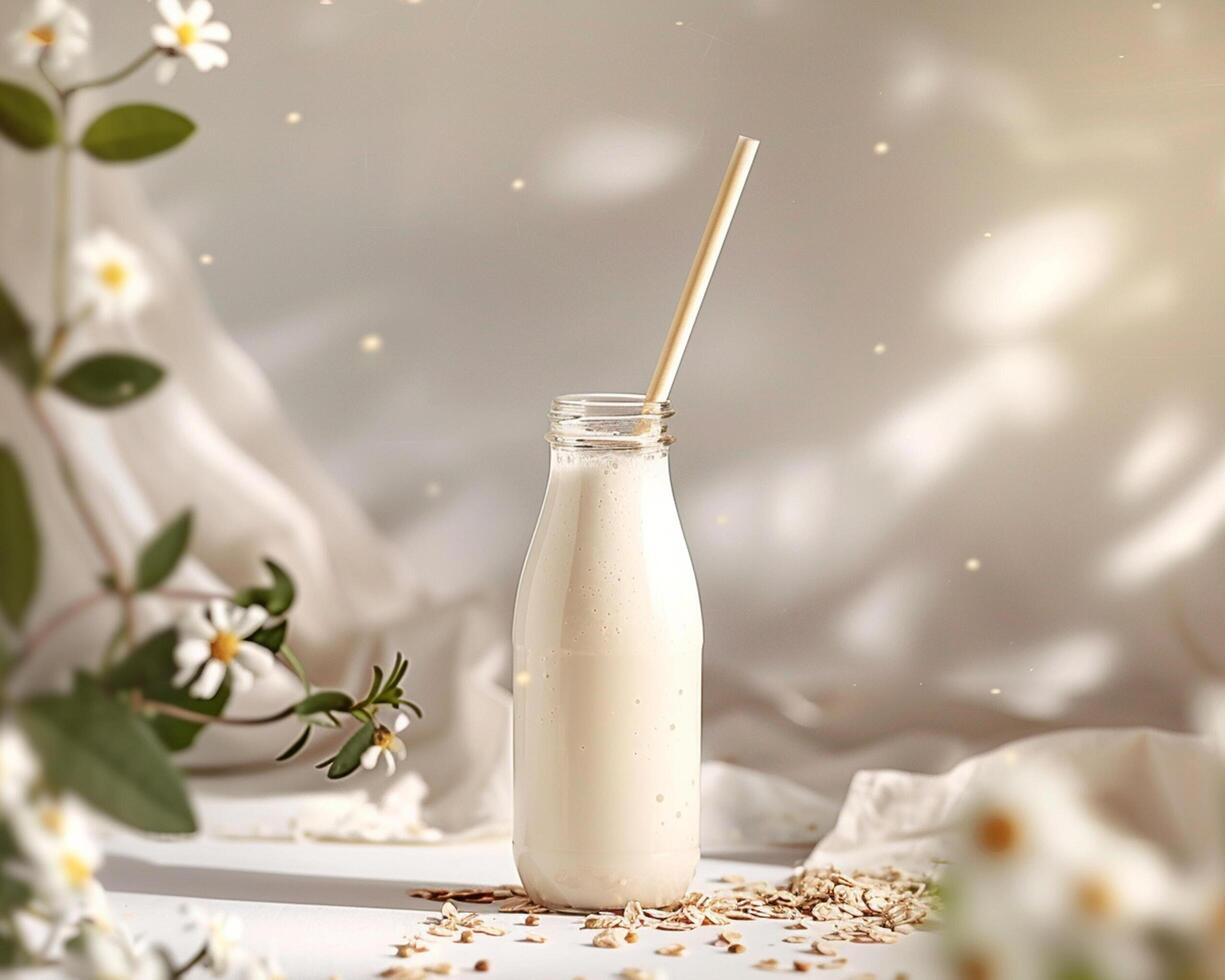
| Oat Milk: Created by blending oats and water, then straining the mixture. It has a naturally sweet taste and creamy texture, making it popular in coffee shops. Oat milk is high in fiber and often fortified with vitamins and minerals. |
Health Information
? Frequently Asked Questions
4 questions1 Is goat milk inflammatory?
2 What are the disadvantages of goat milk?
3 Is goat milk considered dairy free?
4 What milk is not gluten-free?
Our Expert
Drs. Ilse van Asperen
Orthomolecular Therapist, Nutritional Coach & Professional Editor
Drs. Ilse van Asperen is a medical doctor specialising in orthomolecular therapy and nutritional coaching. With a background in public and clinical health research and management, she focuses on addressing the root causes of health issues through diet, gut health, and stress reduction. As a professional editor for Little Helpers, she reviews all gluten-free content to ensure accuracy, safety, and scientific credibility. Read more on Drs. Ilse van Asperen's own website
Our Sources
The information on this page is based on reputable health and nutrition organisations, ensuring accuracy and reliability for anyone following a gluten-free diet. For further details, see the sources below.