Share
TL;DR
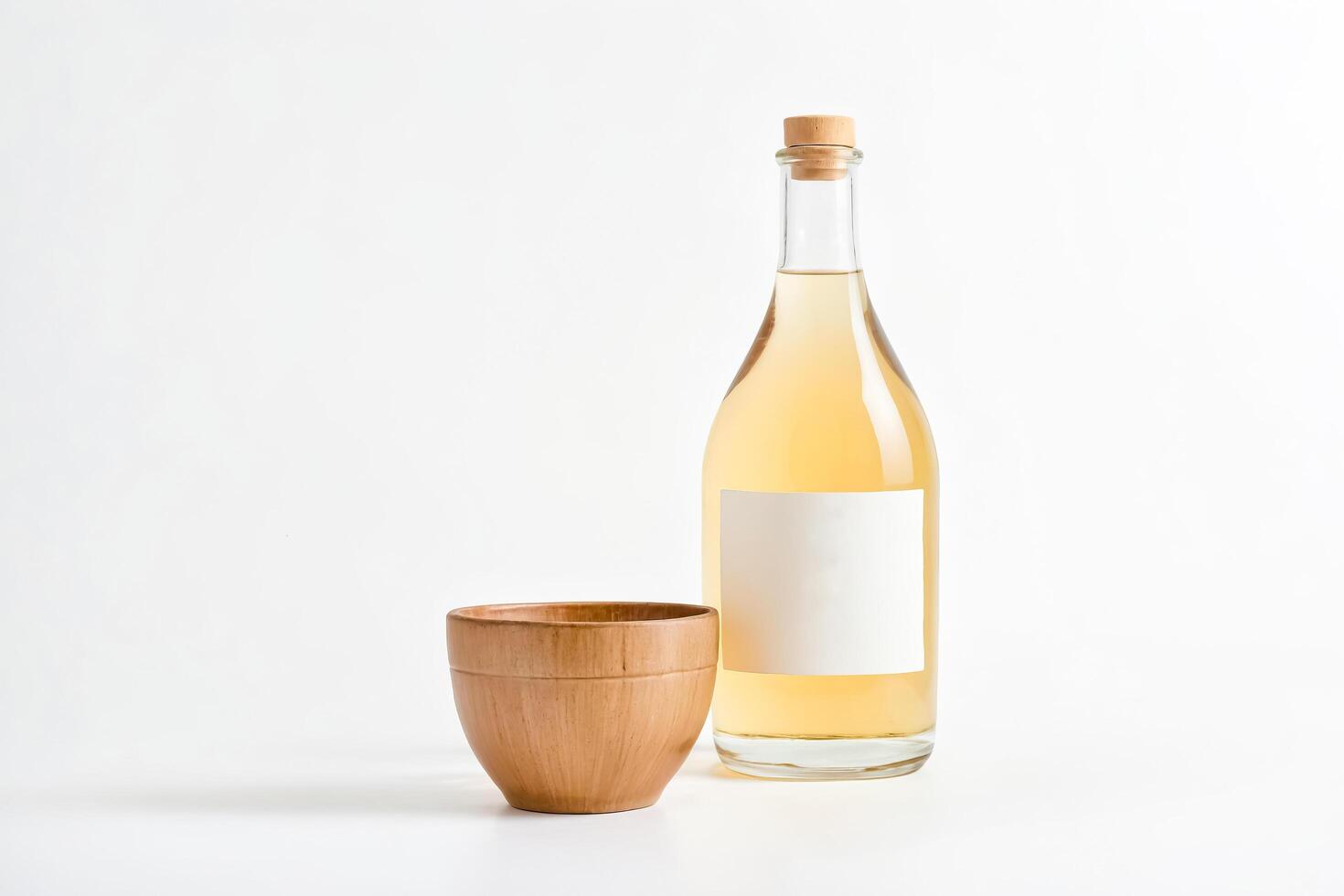
Generally, grain vinegar is considered gluten-free because the distillation process removes gluten proteins. However, some people with celiac disease or severe gluten sensitivity may still react to trace amounts that could potentially remain, so it’s best to choose vinegars labeled as gluten-free or made from gluten-free sources if you have concerns.
Quick Tips
1Aids in digestion: Grain vinegar can help stimulate digestive enzymes and improve overall gut health.
2Blood sugar control: It may help lower blood sugar levels, particularly when consumed with high-carbohydrate meals.
3Weight management: Some studies suggest that vinegar consumption may increase feelings of fullness, potentially leading to reduced calorie intake.
# In This Article
3 sectionsQuick navigation to each section of this article:
1 Benefits of Grain Vinegar
Aids in digestion: Grain vinegar can help stimulate digestive enzymes and improve overall gut health.
Jump2 Who should avoid Grain Vinegar
People with celiac disease or gluten sensitivity, as some grain vinegars may contain gluten
Jump3 Related Gluten Free Products
Here are five similar gluten-free options to grain vinegar, along with short descriptions:
JumpBenefits of Grain Vinegar
| Benefits of Grain Vinegar |
|---|
| Aids in digestion: Grain vinegar can help stimulate digestive enzymes and improve overall gut health. |
| Blood sugar control: It may help lower blood sugar levels, particularly when consumed with high-carbohydrate meals. |
| Weight management: Some studies suggest that vinegar consumption may increase feelings of fullness, potentially leading to reduced calorie intake. |
| Antimicrobial properties: Grain vinegar has natural antimicrobial effects, which can help fight harmful bacteria. |
| Heart health: It may help lower cholesterol levels and reduce the risk of heart disease. |
| Blood pressure regulation: Some research indicates that vinegar consumption might help lower blood pressure. |
| Antioxidant effects: Grain vinegar contains antioxidants that can help protect cells from damage caused by free radicals. |
| Nutrient absorption: It may enhance the body’s ability to absorb certain nutrients from food. |
| Potential cancer-fighting properties: Some studies suggest that vinegar might have anti-tumor effects, though more research is needed. |
| Skin health: When applied topically, diluted vinegar may help with certain skin conditions due to its antimicrobial properties. |
| Energy boost: The amino acids in grain vinegar may help combat fatigue.Remember that while these benefits have been observed in various studies, more research is often needed to fully understand the extent of vinegar’s health effects. Always consult with a healthcare professional before making significant changes to your diet. |
Who should avoid Grain Vinegar
| Who should avoid Grain Vinegar |
|---|
| People with celiac disease or gluten sensitivity, as some grain vinegars may contain gluten |
| Individuals with allergies to specific grains used in the vinegar production (e.g., wheat, corn, or rice) |
| Those following a low-histamine diet, as vinegar is high in histamines |
| People with severe acid reflux or GERD, as vinegar’s acidity may exacerbate symptoms |
| Individuals with gastroparesis, as vinegar can delay stomach emptying |
| Those with certain digestive disorders like IBS, who may experience increased symptoms |
| People taking certain medications that interact with vinegar, such as diuretics or insulin |
| Individuals with tooth enamel erosion, as vinegar’s acidity can further damage teeth |
| Those with potassium-restricted diets, as some vinegars contain small amounts of potassium |
| People with yeast sensitivities or candida overgrowth, as vinegar is a fermented product |
| Individuals following specific religious or cultural dietary restrictions that prohibit vinegar consumptionAlways consult with a healthcare professional or registered dietitian before making significant changes to your diet, especially if you have underlying health conditions. |
Related Gluten Free Products
Here are five similar gluten-free options to grain vinegar, along with short descriptions:
| Related Gluten Free Products |
|---|
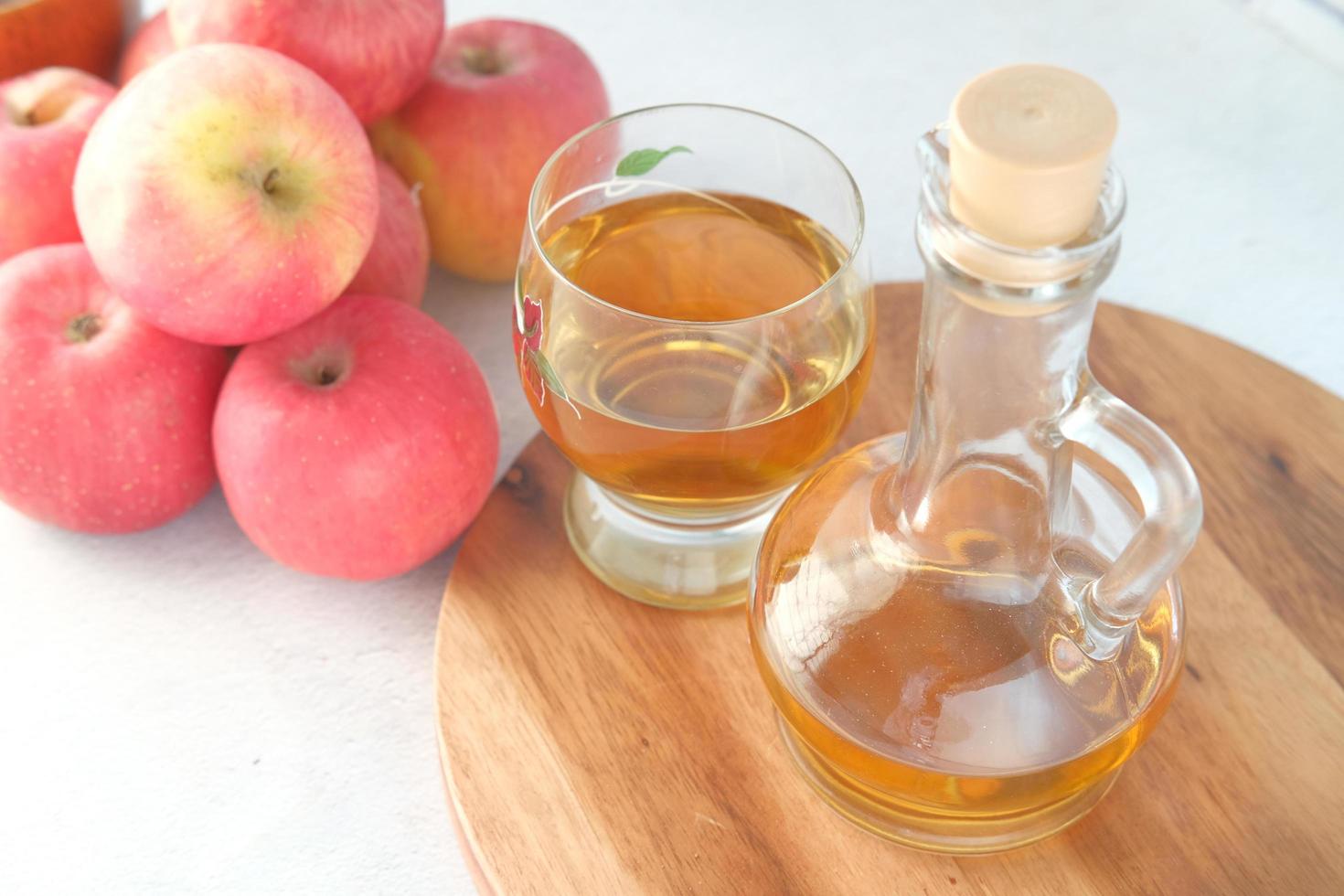
| Apple Cider Vinegar- Made from fermented apple juice- Tangy, slightly sweet flavor- Rich in antioxidants and probiotics- Often used in salad dressings, marinades, and health tonics |
| Rice Vinegar- Produced from fermented rice or rice wine- Mild, slightly sweet taste- Common in Asian cuisine- Used in sushi rice, stir-fries, and dipping sauces |
| Balsamic Vinegar- Made from grape must (freshly crushed grape juice)- Rich, complex flavor with sweet and tart notes- Aged in wooden barrels for several years- Popular in salad dressings, marinades, and as a finishing drizzle |
| Wine Vinegar (Red or White)- Created from fermented wine- Tangy and acidic flavor profile- Available in various styles (e.g., Champagne, Sherry)- Widely used in Mediterranean and French cuisines |
| Coconut Vinegar- Produced from fermented coconut sap or water- Mild, slightly sweet taste with a hint of yeast- Rich in amino acids and minerals- Popular in Southeast Asian cooking and as a health supplement |
Health Information
? Frequently Asked Questions
4 questions1 Why is rice vinegar not gluten free?
2 Is there gluten in barley vinegar?
3 Which distilled vinegar is gluten free?
4 What is a gluten free alternative to vinegar?
Our Expert
Drs. Ilse van Asperen
Orthomolecular Therapist, Nutritional Coach & Professional Editor
Drs. Ilse van Asperen is a medical doctor specialising in orthomolecular therapy and nutritional coaching. With a background in public and clinical health research and management, she focuses on addressing the root causes of health issues through diet, gut health, and stress reduction. As a professional editor for Little Helpers, she reviews all gluten-free content to ensure accuracy, safety, and scientific credibility. Read more on Drs. Ilse van Asperen's own website
Our Sources
The information on this page is based on reputable health and nutrition organisations, ensuring accuracy and reliability for anyone following a gluten-free diet. For further details, see the sources below.