Is Ground Cumin Gluten Free?

Is Ground Cumin Gluten Free?

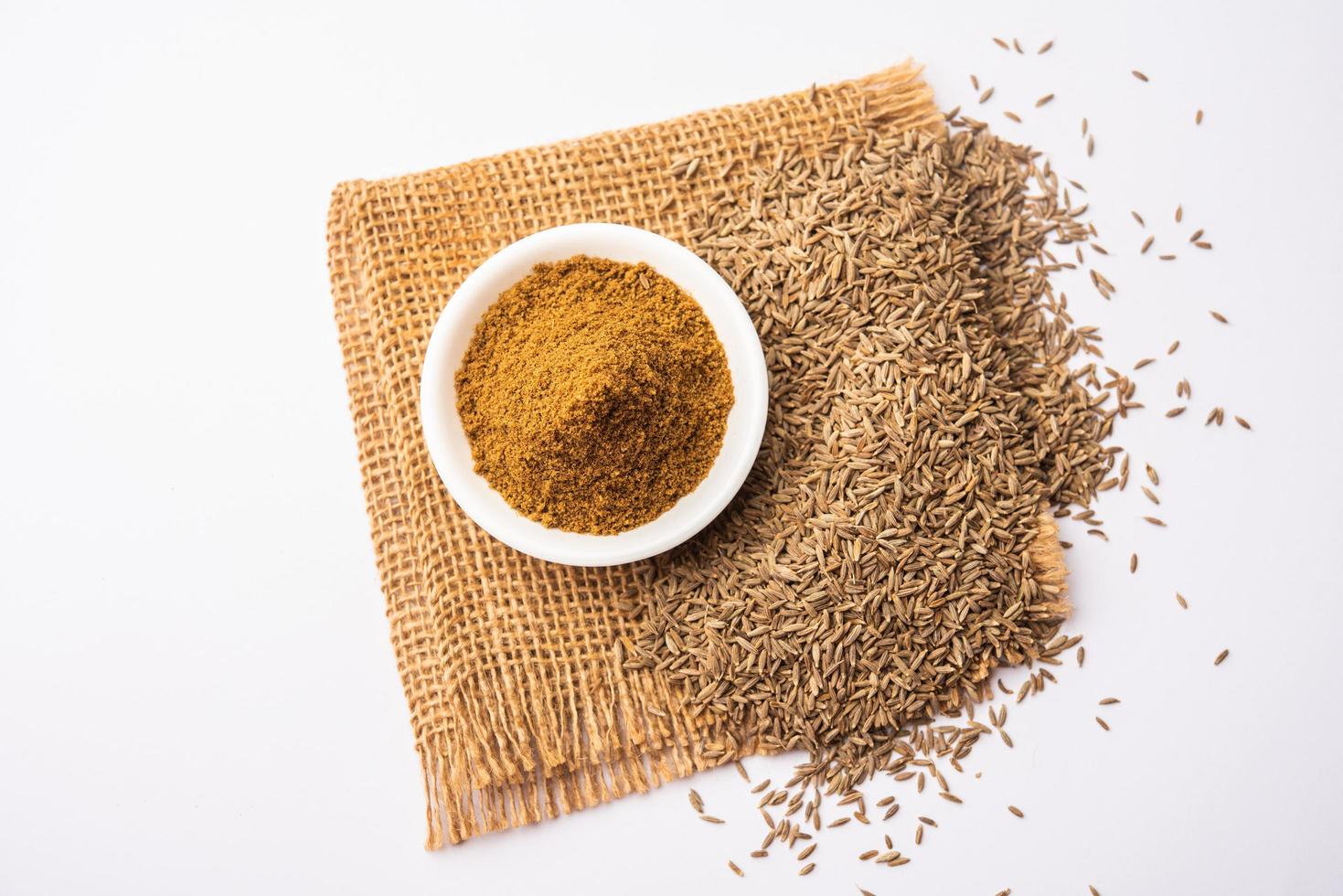
Ground cumin is naturally gluten-free, as it is made solely from the dried, ground seeds of the cumin plant. However, as with any spice, there is a small risk of cross-contamination during processing or packaging, so those with severe gluten sensitivities should look for brands that specifically label their cumin as gluten-free.

TL;DR

Ground cumin is naturally gluten-free, as it is made solely from the dried, ground seeds of the cumin plant. However, as with any spice, there is a small risk of cross-contamination during processing or packaging, so those with severe gluten sensitivities should look for brands that specifically label their cumin as gluten-free.

Quick Tips

1

Rich in antioxidants, which help fight free radicals and reduce oxidative stress

2

May aid in digestion and reduce symptoms of indigestion

3

Potential to improve blood sugar control in people with diabetes

# In This Article

3 sections

Quick navigation to each section of this article:

1 Benefits of Ground Cumin

Rich in antioxidants, which help fight free radicals and reduce oxidative stress

Jump
2 Who should avoid Ground Cumin

People with cumin allergies: Those with known allergies to cumin or other plants in the Apiaceae family (such as caraway, coriander, or fennel) should avoid ground cumin.

Jump
3 Related Gluten Free Products

Here are five similar gluten-free options like Ground Cumin, along with short descriptions:

Jump

Benefits of Ground Cumin

Benefits of Ground Cumin
Rich in antioxidants, which help fight free radicals and reduce oxidative stress
May aid in digestion and reduce symptoms of indigestion
Potential to improve blood sugar control in people with diabetes
May help lower cholesterol levels
Contains iron, which is essential for healthy blood and energy production
Possesses anti-inflammatory properties
May boost immune system function
Could aid in weight loss by increasing metabolism
Has antimicrobial properties that may help fight certain bacteria
May improve memory and cognitive function
Could help in treating respiratory disorders like asthma and bronchitis
Potentially beneficial for skin health due to its vitamin E content
May help in the treatment of insomnia
Could aid in relieving stress and anxiety

Who should avoid Ground Cumin

Who should avoid Ground Cumin
People with cumin allergies: Those with known allergies to cumin or other plants in the Apiaceae family (such as caraway, coriander, or fennel) should avoid ground cumin.
Individuals with birch pollen allergies: Some people with birch pollen allergies may experience cross-reactivity with cumin.
Those with certain medical conditions: People with bleeding disorders, diabetes, or low blood sugar should consult their healthcare provider before consuming large amounts of cumin.
Pregnant women: While moderate use in food is generally considered safe, pregnant women should avoid medicinal doses of cumin without consulting their doctor.
Individuals scheduled for surgery: Cumin may slow blood clotting, so it’s advisable to stop using it at least two weeks before a scheduled surgery.
People taking certain medications: Cumin may interact with medications for diabetes, blood thinners, or drugs that are changed by the liver. Consult a healthcare provider if you’re on any medications.
Those with iron deficiency: Large amounts of cumin may interfere with iron absorption.
Individuals with gastrointestinal issues: Some people with sensitive digestive systems may experience discomfort from cumin’s strong flavor and oils.Remember, these precautions mainly apply to medicinal or supplemental use of cumin. Most people can safely consume cumin in normal food quantities without issues.
ENJOY YOUR FAVORITE FOODS FEARLESSLY!
Don’t let gluten hold you back. Take Anti-Gluten Pills before your meal and enjoy peace of mind.
SHOP ANTI-GLUTEN PILLS
Clinically proven · Up to 86% gluten reduction · Fast acting

Here are five similar gluten-free options like Ground Cumin, along with short descriptions:

Related Gluten Free Products
Ground Coriander: A spice made from the dried seeds of the cilantro plant, offering a citrusy, slightly sweet flavor with nutty undertones. It's commonly used in Indian, Middle Eastern, and Mediterranean cuisines.
Ground Turmeric: A bright yellow spice derived from the root of the turmeric plant, known for its earthy, slightly bitter taste and anti-inflammatory properties. It's a staple in many Asian dishes and often used in curries.
Ground Paprika: Made from dried and ground red peppers, paprika can range from mild to hot and adds a sweet, peppery flavor to dishes. It's popular in Hungarian, Spanish, and American cuisines.
Ground Cardamom: A spice made from the seeds of plants in the ginger family, offering a complex, slightly sweet and floral flavor. It's commonly used in Indian, Middle Eastern, and Scandinavian cooking.
Ground Ginger: A pungent, aromatic spice made from the dried root of the ginger plant. It adds a warm, spicy-sweet flavor to both savory and sweet dishes and is popular in Asian, Indian, and Caribbean cuisines.

Health Information

? Frequently Asked Questions

4 questions
1 Does McCormick ground cumin have gluten?
McCormick ground cumin does not contain gluten. It is a single-ingredient spice made from dried, ground cumin seeds. McCormick states on their website that their pure ground spices are gluten-free. However, it's always best to check the label or contact the manufacturer directly if you have severe gluten sensitivities or celiac disease.
2 Is all cumin gluten free?
Yes, all cumin is naturally gluten-free. Cumin is a seed from a plant in the parsley family and does not contain any gluten proteins. It's safe for people with celiac disease or gluten sensitivity to consume. However, it's always important to check labels for potential cross-contamination if you have severe gluten allergies.
3 What spices are not gluten free?
Most individual spices are naturally gluten-free. However, some spice blends or seasoning mixes may contain gluten ingredients like wheat flour as anti-caking agents or fillers. It's important to check labels carefully, especially for blended seasonings. Pure, single-ingredient spices are generally safe for those avoiding gluten.
4 Are ground spices gluten free?
Most ground spices are naturally gluten-free. However, some spice blends or mixes may contain gluten-containing additives or fillers. It's important to check labels carefully, especially for seasoning blends. For those with celiac disease or gluten sensitivity, choosing single-ingredient ground spices or certified gluten-free spice blends is safest.
LIVE GLUTEN-FREE WITHOUT THE FUSS!
Introducing Tolerase® G, clinically proven to reduce up to 86% of gluten in under 10 minutes. Experience the freedom to eat what you love.
SHOP ANTI-GLUTEN PILLS
150mg pure Tolerase® G · Reduces gluten by 86% · Under 10 minutes

Our Expert

Drs. Ilse van Asperen, Orthomolecular Therapist and Nutritional Coach

Drs. Ilse van Asperen

Orthomolecular Therapist, Nutritional Coach & Professional Editor

Drs. Ilse van Asperen is a medical doctor specialising in orthomolecular therapy and nutritional coaching. With a background in public and clinical health research and management, she focuses on addressing the root causes of health issues through diet, gut health, and stress reduction. As a professional editor for Little Helpers, she reviews all gluten-free content to ensure accuracy, safety, and scientific credibility. Read more on Drs. Ilse van Asperen's own website

Our Sources

The information on this page is based on reputable health and nutrition organisations, ensuring accuracy and reliability for anyone following a gluten-free diet. For further details, see the sources below.
Sources

Similar Articles

Back to blog