Is Indian Food Gluten Free?

Is Indian Food Gluten Free?

Indian cuisine offers many naturally gluten-free options, including dishes made with rice, lentils, vegetables, and meats prepared with gluten-free spices and sauces. However, some Indian dishes may contain gluten in ingredients like atta flour (used in many breads), certain spice blends, or soy sauce, so it’s important to check specific ingredients or ask about preparation methods when dining out.

TL;DR

Indian cuisine offers many naturally gluten-free options, including dishes made with rice, lentils, vegetables, and meats prepared with gluten-free spices and sauces. However, some Indian dishes may contain gluten in ingredients like atta flour (used in many breads), certain spice blends, or soy sauce, so it’s important to check specific ingredients or ask about preparation methods when dining out.

Quick Tips

1

Rich in spices: Many Indian dishes use spices like turmeric, cumin, and ginger, which have anti-inflammatory and antioxidant properties.

2

High in fiber: Lentils, beans, and whole grains commonly used in Indian cuisine are excellent sources of dietary fiber.

3

Vegetarian-friendly: Many Indian dishes are vegetarian or vegan, promoting plant-based eating.

# In This Article

3 sections

Quick navigation to each section of this article:

1 Benefits of Indian Food

Rich in spices: Many Indian dishes use spices like turmeric, cumin, and ginger, which have anti-inflammatory and antioxidant properties.

Jump
2 Who should avoid Indian Food

Those with severe spice intolerance: Many Indian dishes are known for their bold, spicy flavors.

Jump
3 Gluten Free Alternatives

Here are five gluten-free alternatives to traditional Indian food ingredients, along with short descriptions:

Jump

Benefits of Indian Food

Benefits of Indian Food
Rich in spices: Many Indian dishes use spices like turmeric, cumin, and ginger, which have anti-inflammatory and antioxidant properties.
High in fiber: Lentils, beans, and whole grains commonly used in Indian cuisine are excellent sources of dietary fiber.
Vegetarian-friendly: Many Indian dishes are vegetarian or vegan, promoting plant-based eating.
Probiotic-rich: Foods like yogurt (dahi) and fermented pickles support gut health.
Nutrient-dense: Incorporation of various vegetables and legumes provides essential vitamins and minerals.
Healthy fats: Use of ghee (clarified butter) and coconut oil in moderation can provide beneficial fatty acids.
Protein-rich: Lentils, chickpeas, and other legumes offer plant-based protein sources.
Low in processed ingredients: Traditional Indian cooking often uses whole, fresh ingredients.
Metabolism-boosting: Spices like cayenne pepper and ginger can help increase metabolism.
Heart-healthy: Regular consumption of garlic and onions, common in Indian cuisine, may support cardiovascular health.
Diabetes management: Some studies suggest that certain Indian spices may help regulate blood sugar levels.
Anti-cancer properties: Spices like turmeric contain compounds that may have cancer-fighting potential.
Immune-boosting: Ingredients like ginger, garlic, and turmeric can help support the immune system.
Weight management: Many Indian dishes are high in fiber and protein, which can aid in feeling full and satisfied.Remember that the health benefits can vary depending on specific ingredients and preparation methods used in different dishes.

Who should avoid Indian Food

Who should avoid Indian Food
Those with severe spice intolerance: Many Indian dishes are known for their bold, spicy flavors.
Individuals with dairy allergies or lactose intolerance: Dairy products like ghee, yogurt, and paneer are common in Indian cuisine.
People with nut allergies: Nuts, especially cashews and almonds, are frequently used in Indian cooking.
Those with gluten sensitivities or celiac disease: While many Indian dishes are naturally gluten-free, some use wheat-based products.
Individuals with IBS or sensitive digestive systems: The rich, spicy nature of some Indian dishes may trigger symptoms.
People on low-fat diets: Some traditional Indian dishes can be high in fat due to the use of oils and cream.
Those with garlic or onion intolerances: These are staple ingredients in many Indian recipes.
Individuals with legume allergies: Lentils and beans are common in Indian cuisine.
People on low-sodium diets: Some Indian dishes can be high in salt.
Those with specific religious or cultural dietary restrictions: Some dishes may contain ingredients prohibited by certain beliefs.Remember, many Indian restaurants can accommodate dietary restrictions, and the cuisine itself is quite diverse, offering many options for various dietary needs.
ENJOY YOUR FAVORITE FOODS FEARLESSLY!
Don’t let gluten hold you back. Take Anti-Gluten Pills before your meal and enjoy peace of mind.
SHOP ANTI-GLUTEN PILLS
Clinically proven · Up to 86% gluten reduction · Fast acting

Gluten Free Alternatives

Here are five gluten-free alternatives to traditional Indian food ingredients, along with short descriptions:

Gluten Free Alternatives
Rice flour:A versatile alternative to wheat flour, rice flour can be used to make various Indian flatbreads, desserts, and as a thickening agent in curries. It has a mild flavor and creates a light, crispy texture in fried foods.
Chickpea flour (Besan):A staple in Indian cuisine, chickpea flour is naturally gluten-free and high in protein. It's used to make pakoras, flatbreads like socca, and can be used as a batter for frying vegetables or meat.
Jowar (Sorghum):This gluten-free grain can be ground into flour to make rotis, dosas, and other bread alternatives. It has a slightly sweet, nutty flavor and is rich in nutrients like fiber and antioxidants.
Bajra (Pearl Millet):Another gluten-free grain commonly used in Indian cooking, particularly in Western India. It can be used to make rotis, porridge, and even as a rice substitute. Bajra is high in protein and minerals.
Tapioca starch:Derived from cassava root, tapioca starch is an excellent gluten-free thickener for curries and sauces. It can also be used to make crispy coatings for fried foods and as a binding agent in gluten-free baked goods.

Health Information

? Frequently Asked Questions

4 questions
1 Which Indian dishes are gluten-free?
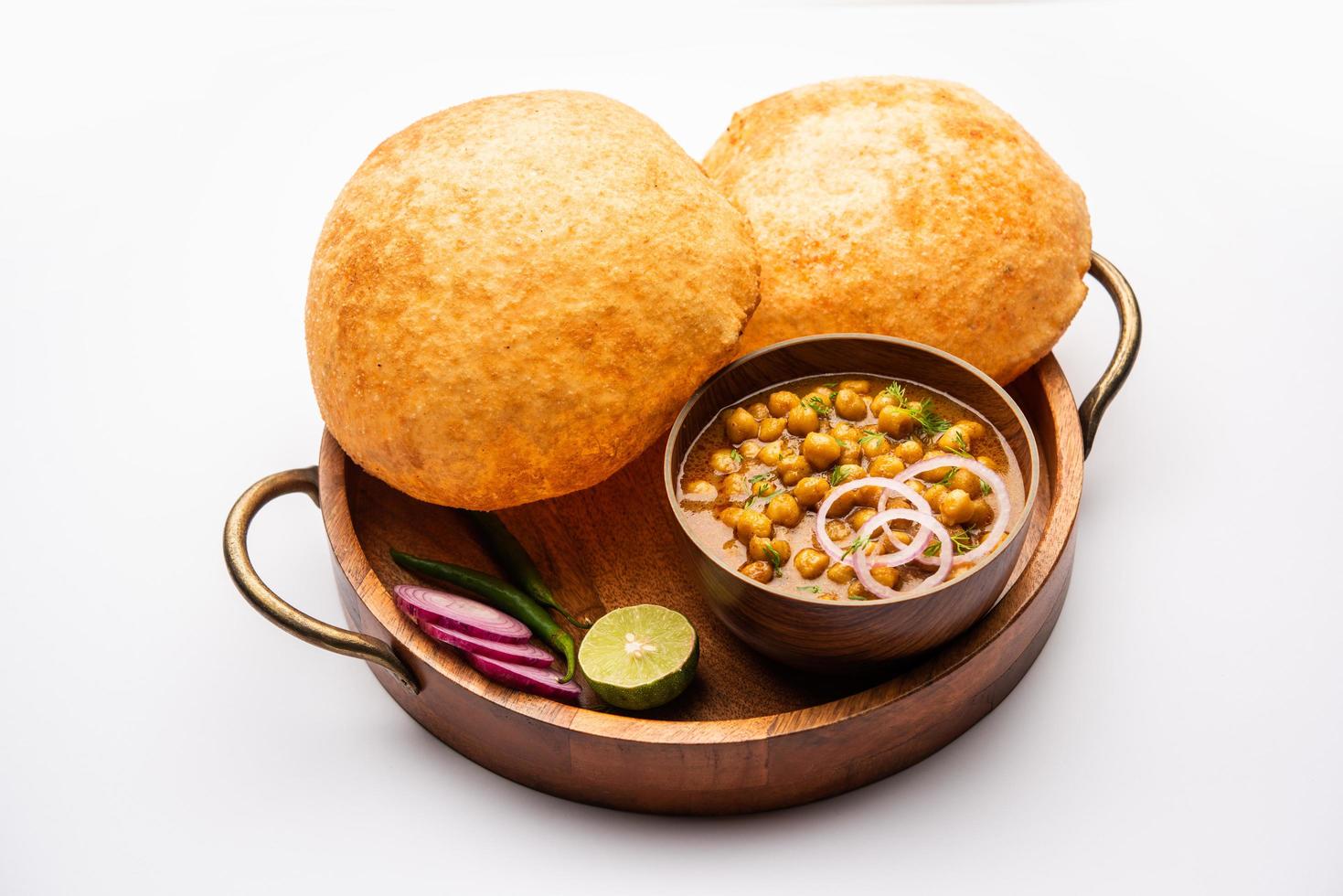
Many traditional Indian dishes are naturally gluten-free. Rice-based dishes like biryani, pulao, and dosas are typically safe for those avoiding gluten. Most curries, dals, and vegetable dishes are also gluten-free, as long as they don't contain wheat-based thickeners. However, it's important to be cautious with breads like naan and roti, which usually contain wheat flour.
2 Is Indian usually gluten-free?
Indian cuisine is not inherently gluten-free, but many traditional Indian dishes can be naturally gluten-free or easily adapted. Rice, lentils, vegetables, and many spices used in Indian cooking are gluten-free. However, some Indian dishes may contain wheat-based ingredients like atta (wheat flour) in breads like naan or roti. It's important to check ingredients and preparation methods when eating Indian food if you have gluten sensitivities or celiac disease.
3 Is Indian chicken tikka gluten-free?
Indian chicken tikka is typically gluten-free. The dish consists mainly of marinated chicken pieces cooked in a tandoor oven. The marinade usually contains yogurt, spices, and lemon juice, which are all naturally gluten-free ingredients. However, it's always best to check with the specific restaurant or recipe to ensure no gluten-containing ingredients have been added.
4 Does curry contain gluten?
Most curry dishes do not inherently contain gluten. However, some curry powders or sauces may include gluten-containing ingredients as thickeners or additives. It's important to check labels carefully if you have gluten sensitivity or celiac disease. When making curry at home, you can easily ensure it's gluten-free by using only naturally gluten-free ingredients.
LIVE GLUTEN-FREE WITHOUT THE FUSS!
Introducing Tolerase® G, clinically proven to reduce up to 86% of gluten in under 10 minutes. Experience the freedom to eat what you love.
SHOP ANTI-GLUTEN PILLS
150mg pure Tolerase® G · Reduces gluten by 86% · Under 10 minutes

Our Expert

Drs. Ilse van Asperen, Orthomolecular Therapist and Nutritional Coach

Drs. Ilse van Asperen

Orthomolecular Therapist, Nutritional Coach & Professional Editor

Drs. Ilse van Asperen is a medical doctor specialising in orthomolecular therapy and nutritional coaching. With a background in public and clinical health research and management, she focuses on addressing the root causes of health issues through diet, gut health, and stress reduction. As a professional editor for Little Helpers, she reviews all gluten-free content to ensure accuracy, safety, and scientific credibility. Read more on Drs. Ilse van Asperen's own website

Our Sources

The information on this page is based on reputable health and nutrition organisations, ensuring accuracy and reliability for anyone following a gluten-free diet. For further details, see the sources below.
Sources

Similar Articles

Back to blog