Share
TL;DR
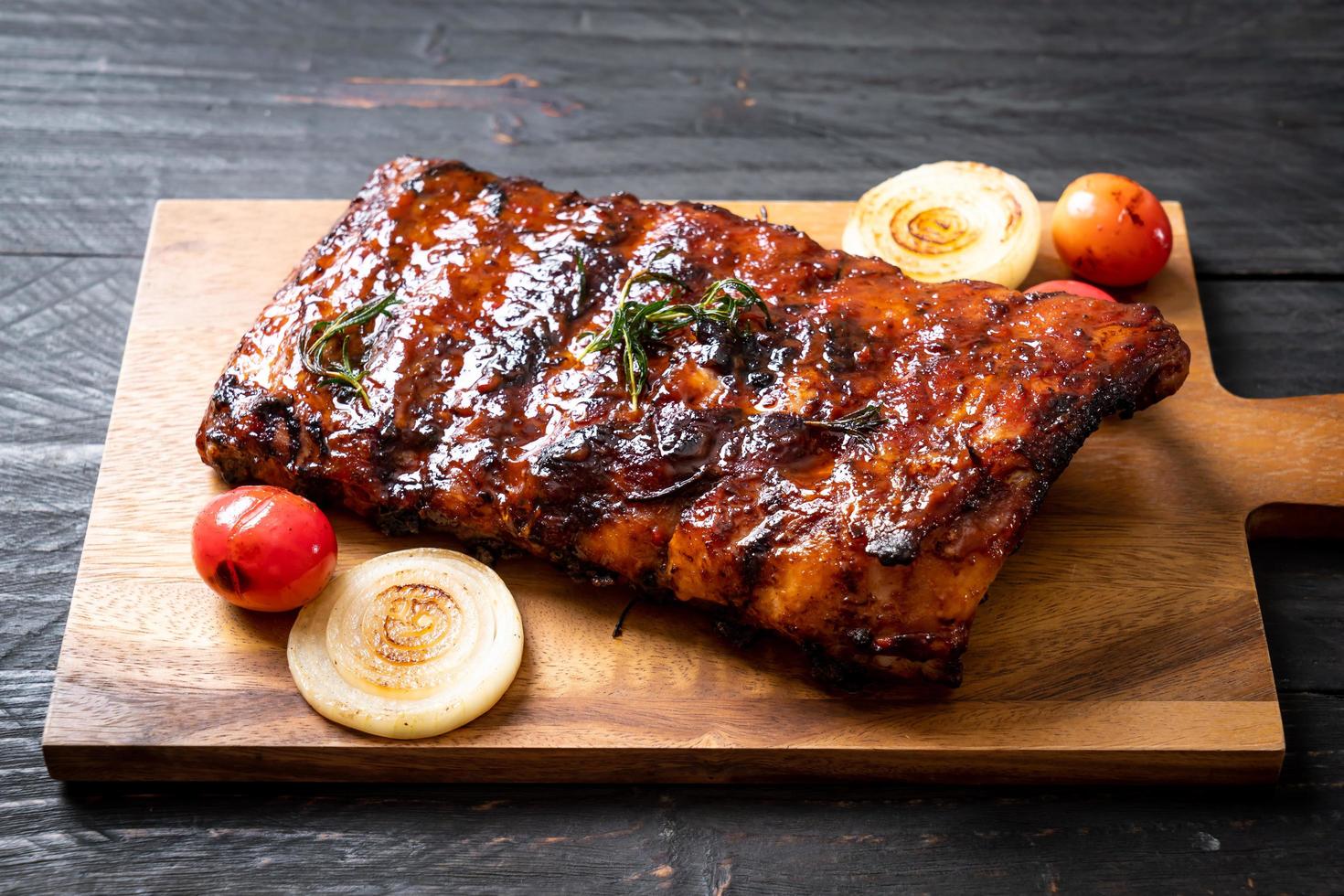
Korean BBQ can be gluten-free, but it depends on the specific dishes and marinades used. While the meat itself is typically gluten-free, some marinades and sauces may contain soy sauce or other gluten-containing ingredients, so it’s important to check with the restaurant or chef about specific ingredients if you have gluten sensitivities.
Quick Tips
1High protein content: Korean BBQ typically features various meats, providing essential amino acids for muscle growth and repair.
2Low carbohydrate option: When focusing on grilled meats and vegetables, it can be a suitable choice for low-carb diets.
3Rich in vitamins and minerals: The variety of vegetables and side dishes (banchan) offer a range of nutrients.
# In This Article
3 sectionsQuick navigation to each section of this article:
1 Benefits of Korean Bbq
High protein content: Korean BBQ typically features various meats, providing essential amino acids for muscle growth and repair.
Jump2 Who should avoid Korean Bbq
People with severe food allergies, particularly to common ingredients in Korean cuisine such as soy, sesame, or seafood
Jump3 Gluten Free Alternatives
Here are five gluten-free alternatives to Korean BBQ, along with short descriptions:
JumpBenefits of Korean Bbq
| Benefits of Korean Bbq |
|---|
| High protein content: Korean BBQ typically features various meats, providing essential amino acids for muscle growth and repair. |
| Low carbohydrate option: When focusing on grilled meats and vegetables, it can be a suitable choice for low-carb diets. |
| Rich in vitamins and minerals: The variety of vegetables and side dishes (banchan) offer a range of nutrients. |
| Antioxidant-rich: Many Korean BBQ marinades contain garlic, ginger, and other herbs with antioxidant properties. |
| Fermented foods: Side dishes often include fermented items like kimchi, which can promote gut health. |
| Increased vegetable intake: The numerous vegetable side dishes encourage consumption of a variety of vegetables. |
| Lean meat options: Choices like beef bulgogi or chicken can be relatively lean protein sources. |
| Social eating experience: The communal nature of Korean BBQ can promote slower eating and better portion control. |
| Grilling method: Grilling allows excess fat to drip away, potentially reducing overall fat content. |
| Capsaicin benefits: Spicy components in some dishes may boost metabolism and have anti-inflammatory effects. |
| Fiber-rich: Many side dishes and vegetables provide dietary fiber, promoting digestive health.Remember that these benefits depend on specific food choices and preparation methods, and moderation is key to maintaining a balanced diet. |
Who should avoid Korean Bbq
| Who should avoid Korean Bbq |
|---|
| People with severe food allergies, particularly to common ingredients in Korean cuisine such as soy, sesame, or seafood |
| Individuals on strict low-fat diets, as Korean BBQ often includes fatty cuts of meat |
| Those with gout or at high risk for gout, due to the high purine content in some meats |
| People with certain digestive issues or sensitive stomachs who may have trouble with spicy or fermented foods |
| Strict vegetarians or vegans, as most Korean BBQ restaurants primarily serve meat dishes |
| Individuals with high blood pressure who need to limit their sodium intake, as many Korean dishes are high in salt |
| People with diabetes who need to carefully monitor their carbohydrate intake, as some marinades and side dishes can be high in sugar |
| Those with religious or cultural dietary restrictions that prohibit certain meats or preparation methods |
| Individuals with compromised immune systems who may be at higher risk from consuming undercooked meat |
| People who are pregnant and need to avoid undercooked meats or certain raw ingredients |
| Those with celiac disease or gluten sensitivity, as some marinades and sauces may contain glutenRemember, many of these concerns can be addressed by making careful choices or requesting modifications to dishes when possible. Always consult with a healthcare professional for personalized dietary advice. |
Gluten Free Alternatives
Here are five gluten-free alternatives to Korean BBQ, along with short descriptions:
| Gluten Free Alternatives |
|---|
| Lettuce Wraps:Use large, sturdy lettuce leaves as a gluten-free wrap for your Korean BBQ meats and vegetables. This option provides a fresh, crisp texture and adds a healthy element to the meal. |
| Rice Paper Rolls:Thin, translucent rice paper sheets can be used to wrap Korean BBQ ingredients. These provide a light, chewy texture and are commonly used in Vietnamese cuisine but work well with Korean flavors. |
| Cauliflower Rice:Replace traditional rice with finely chopped cauliflower that's been lightly stir-fried. This low-carb option mimics the texture of rice while adding extra nutrients and a mild flavor that complements Korean BBQ. |
| Shirataki Noodles:These translucent, gelatinous noodles are made from konjac yam and are naturally gluten-free. They have a slightly chewy texture and can be used as a base for Korean BBQ meats and sauces. |
| Corn Tortillas:Use gluten-free corn tortillas as a wrap for Korean BBQ ingredients. While not traditional, they offer a sturdy base and add a subtle corn flavor that pairs well with the bold tastes of Korean cuisine. |
Health Information
? Frequently Asked Questions
4 questions1 Does Korean barbecue sauce have gluten?
2 Is Korean food usually gluten-free?
3 Is Korean BBQ pork gluten-free?
4 Does any BBQ sauce have gluten?
Our Expert
Drs. Ilse van Asperen
Orthomolecular Therapist, Nutritional Coach & Professional Editor
Drs. Ilse van Asperen is a medical doctor specialising in orthomolecular therapy and nutritional coaching. With a background in public and clinical health research and management, she focuses on addressing the root causes of health issues through diet, gut health, and stress reduction. As a professional editor for Little Helpers, she reviews all gluten-free content to ensure accuracy, safety, and scientific credibility. Read more on Drs. Ilse van Asperen's own website
Our Sources
The information on this page is based on reputable health and nutrition organisations, ensuring accuracy and reliability for anyone following a gluten-free diet. For further details, see the sources below.