Share
TL;DR
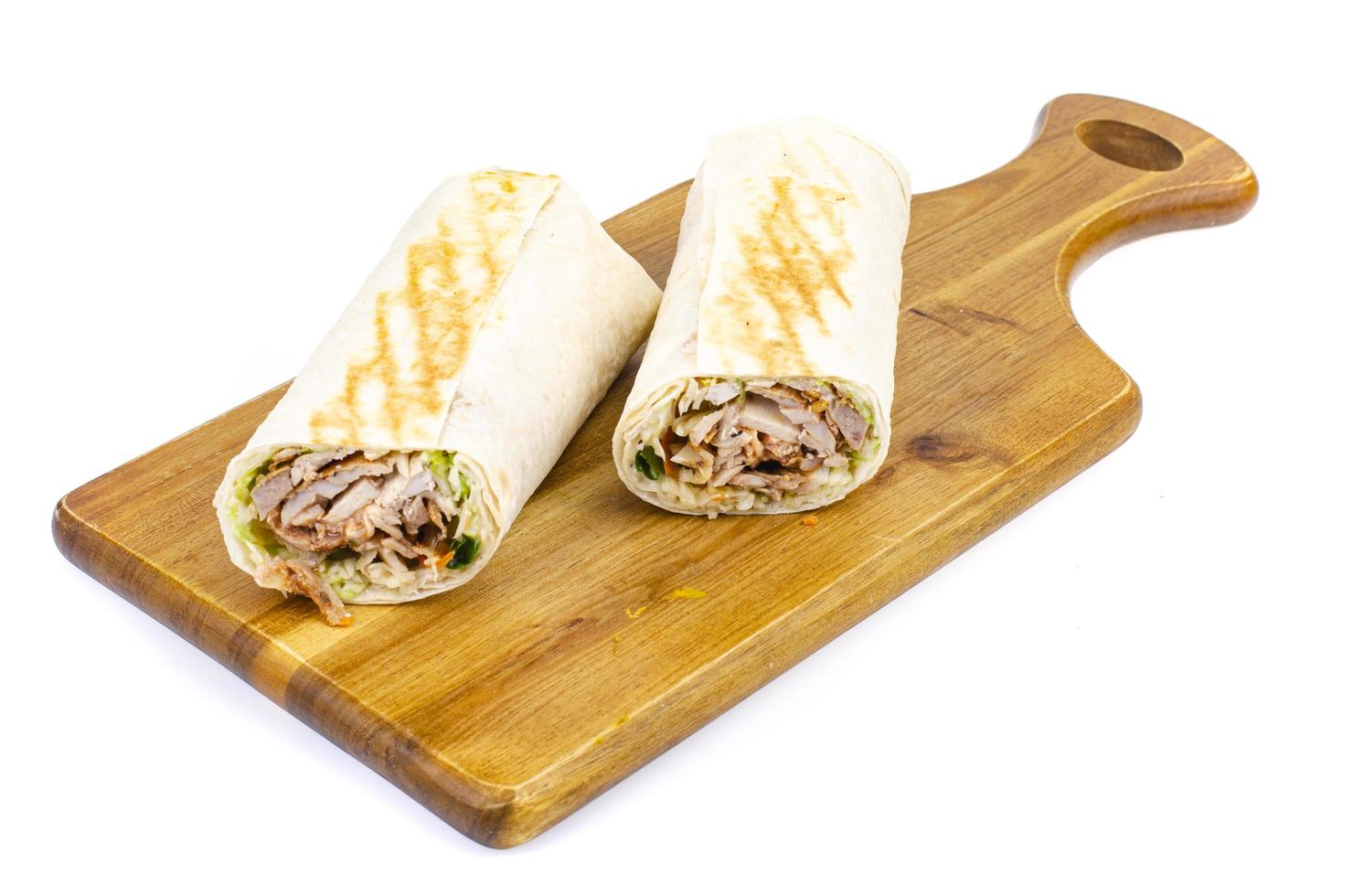
Lavash bread is typically not gluten-free as it is traditionally made with wheat flour, which contains gluten. However, there are some gluten-free versions of lavash bread available on the market, made with alternative flours such as rice flour or almond flour, but these are not the traditional recipe.
Quick Tips
1Low in calories: Lavash bread is generally lower in calories compared to many other types of bread, making it a good option for those watching their calorie intake.
2Low in fat: It typically contains very little fat, which can be beneficial for heart health and weight management.
3Good source of complex carbohydrates: Lavash provides energy-sustaining complex carbohydrates, which can help maintain steady blood sugar levels.
# In This Article
3 sectionsQuick navigation to each section of this article:
1 Benefits of Lavash Bread
Low in calories: Lavash bread is generally lower in calories compared to many other types of bread, making it a good option for those watching their calorie intake.
Jump2 Who should avoid Lavash Bread
People with celiac disease: Traditional lavash bread contains gluten, which can be harmful for those with celiac disease.
Jump3 Gluten Free Alternatives
Here are five gluten-free alternatives to Lavash Bread, along with short descriptions for each:
JumpBenefits of Lavash Bread
| Benefits of Lavash Bread |
|---|
| Low in calories: Lavash bread is generally lower in calories compared to many other types of bread, making it a good option for those watching their calorie intake. |
| Low in fat: It typically contains very little fat, which can be beneficial for heart health and weight management. |
| Good source of complex carbohydrates: Lavash provides energy-sustaining complex carbohydrates, which can help maintain steady blood sugar levels. |
| Fiber content: Depending on the type of flour used, Lavash can provide dietary fiber, which aids in digestion and promotes feelings of fullness. |
| Versatile for healthy toppings: Its thin, flat shape makes it an excellent base for adding nutritious toppings like vegetables, lean proteins, and healthy spreads. |
| Sodium control: Homemade or carefully selected store-bought Lavash can be lower in sodium compared to many other bread products. |
| Potential whole grain benefits: When made with whole wheat flour, Lavash can offer additional nutrients and fiber associated with whole grains. |
| No added sugars: Traditional Lavash recipes typically don’t include added sugars, which can be beneficial for those monitoring their sugar intake. |
| Mineral content: Lavash can provide small amounts of essential minerals like iron, depending on the type of flour used. |
| Cholesterol-free: Like most plant-based foods, Lavash is naturally cholesterol-free.Remember that the exact nutritional profile and health benefits can vary depending on the specific ingredients and preparation methods used. |
Who should avoid Lavash Bread
| Who should avoid Lavash Bread |
|---|
| People with celiac disease: Traditional lavash bread contains gluten, which can be harmful for those with celiac disease. |
| Individuals with gluten sensitivity or intolerance: Even without celiac disease, some people may experience digestive issues when consuming gluten-containing products. |
| Those following a low-carb or ketogenic diet: Lavash bread is high in carbohydrates, which may not align with these dietary plans. |
| People with wheat allergies: Lavash is typically made from wheat flour, which can trigger allergic reactions in some individuals. |
| Those watching their sodium intake: Some commercial lavash breads may be high in sodium, which could be a concern for people with hypertension or heart conditions. |
| Individuals with specific religious or cultural dietary restrictions: Some people may avoid lavash if it contains ingredients that conflict with their beliefs or practices. |
| People with certain digestive disorders: Those with conditions like irritable bowel syndrome (IBS) may need to limit their intake of wheat products, including lavash. |
| Individuals following a paleo or grain-free diet: These diets typically exclude grains, including those used to make lavash bread.Remember that there are gluten-free and alternative grain versions of lavash available for some of these groups, but it’s always best to consult with a healthcare professional or nutritionist for personalized dietary advice. |
Gluten Free Alternatives
Here are five gluten-free alternatives to Lavash Bread, along with short descriptions for each:
| Gluten Free Alternatives |
|---|
| Corn Tortillas- Made from corn flour (masa harina) and water- A staple in Mexican cuisine- Versatile for wraps, tacos, and quesadillas |
| Lettuce Wraps- Large, sturdy lettuce leaves like romaine or butter lettuce- A low-carb, fresh alternative to bread- Provides a crisp texture and adds nutrients to your meal |
| Nori Sheets- Dried seaweed sheets commonly used in Japanese cuisine- Rich in minerals and low in calories- Can be used for sushi-style wraps or as a crispy snack |
| Chickpea Flatbread (Socca)- Made from chickpea flour, water, and olive oil- Originally from the South of France and parts of Italy- Has a nutty flavor and can be used as a pizza base or wrapThese alternatives offer a range of flavors, textures, and culinary applications while remaining gluten-free. |
Health Information
? Frequently Asked Questions
4 questions1 What breads are gluten-free?
2 Is Trader Joe's lavash bread gluten-free?
3 Is lavash bread healthier?
4 Are flatbread and lavash the same thing?
Our Expert
Drs. Ilse van Asperen
Orthomolecular Therapist, Nutritional Coach & Professional Editor
Drs. Ilse van Asperen is a medical doctor specialising in orthomolecular therapy and nutritional coaching. With a background in public and clinical health research and management, she focuses on addressing the root causes of health issues through diet, gut health, and stress reduction. As a professional editor for Little Helpers, she reviews all gluten-free content to ensure accuracy, safety, and scientific credibility. Read more on Drs. Ilse van Asperen's own website
Our Sources
The information on this page is based on reputable health and nutrition organisations, ensuring accuracy and reliability for anyone following a gluten-free diet. For further details, see the sources below.