Is Long Grain White Rice Gluten Free?

Is Long Grain White Rice Gluten Free?

Yes, long grain white rice is naturally gluten-free. As a single-ingredient food derived from rice plants, it does not contain any gluten proteins, making it safe for people with celiac disease or gluten sensitivity to consume.

TL;DR

Yes, long grain white rice is naturally gluten-free. As a single-ingredient food derived from rice plants, it does not contain any gluten proteins, making it safe for people with celiac disease or gluten sensitivity to consume.

Quick Tips

1

Easy to digest: White rice is easily digestible and can be a good option for people with digestive issues.

2

Gluten-free: It’s naturally gluten-free, making it suitable for people with celiac disease or gluten sensitivity.

3

Energy source: White rice is a good source of carbohydrates, providing quick energy.

# In This Article

3 sections

Quick navigation to each section of this article:

1 Benefits of Long Grain White Rice

Easy to digest: White rice is easily digestible and can be a good option for people with digestive issues.

Jump
2 Who should avoid Long Grain White Rice

Diabetics or pre-diabetics: White rice has a high glycemic index and can cause rapid spikes in blood sugar levels.

Jump
3 Related Gluten Free Products

Here are five similar gluten-free options to Long Grain White Rice, along with short descriptions:

Jump

Benefits of Long Grain White Rice

Benefits of Long Grain White Rice
Easy to digest: White rice is easily digestible and can be a good option for people with digestive issues.
Gluten-free: It’s naturally gluten-free, making it suitable for people with celiac disease or gluten sensitivity.
Energy source: White rice is a good source of carbohydrates, providing quick energy.
Low in fat: It’s very low in fat, which can be beneficial for those watching their fat intake.
Versatile: Its neutral flavor makes it easy to pair with various foods, potentially increasing overall nutrient intake.
Fortified varieties: Some white rice is fortified with vitamins and minerals, which can help meet nutritional needs.
Blood sugar regulation: Although it has a higher glycemic index than brown rice, it can still be part of a balanced diet for blood sugar management when consumed in moderation.
Supports physical performance: The carbohydrates in rice can help fuel physical activities and support athletic performance.
Helps maintain healthy weight: When consumed as part of a balanced diet, it can contribute to feeling full and satisfied.
Cultural significance: For many cultures, rice is a traditional food that can contribute to overall well-being and cultural connection.Remember, while these points highlight potential benefits, a varied diet rich in whole grains and other nutrient-dense foods is generally recommended for optimal health.

Who should avoid Long Grain White Rice

Who should avoid Long Grain White Rice
Diabetics or pre-diabetics: White rice has a high glycemic index and can cause rapid spikes in blood sugar levels.
People trying to lose weight: White rice is calorie-dense and may contribute to weight gain if consumed in large quantities.
Individuals with metabolic syndrome: The high carbohydrate content may exacerbate metabolic issues.
Those with celiac disease or gluten sensitivity: While rice is naturally gluten-free, cross-contamination during processing can occur, so they should choose certified gluten-free options.
People with a rice allergy: Though rare, some individuals may be allergic to rice proteins.
Individuals on a low-carb diet: White rice is high in carbohydrates and may not fit into their dietary plan.
Those at risk for or with a history of arsenic exposure: Rice can contain trace amounts of arsenic, so people in this category may need to limit their intake.
Individuals with certain digestive disorders: Some people with conditions like IBS may find that white rice exacerbates their symptoms.
People focusing on nutrient-dense foods: White rice is lower in nutrients compared to whole grain alternatives.
Individuals with a history of diverticulitis: In some cases, a low-fiber diet including white rice may be recommended, but this should be discussed with a healthcare provider.Remember, it’s always best to consult with a healthcare professional or registered dietitian for personalized dietary advice.
ENJOY YOUR FAVORITE FOODS FEARLESSLY!
Don’t let gluten hold you back. Take Anti-Gluten Pills before your meal and enjoy peace of mind.
SHOP ANTI-GLUTEN PILLS
Clinically proven · Up to 86% gluten reduction · Fast acting

Here are five similar gluten-free options to Long Grain White Rice, along with short descriptions:

Related Gluten Free Products
Cauliflower Rice: A low-carb alternative made by grating or processing cauliflower into rice-sized pieces. It can be cooked quickly and absorbs flavors well.
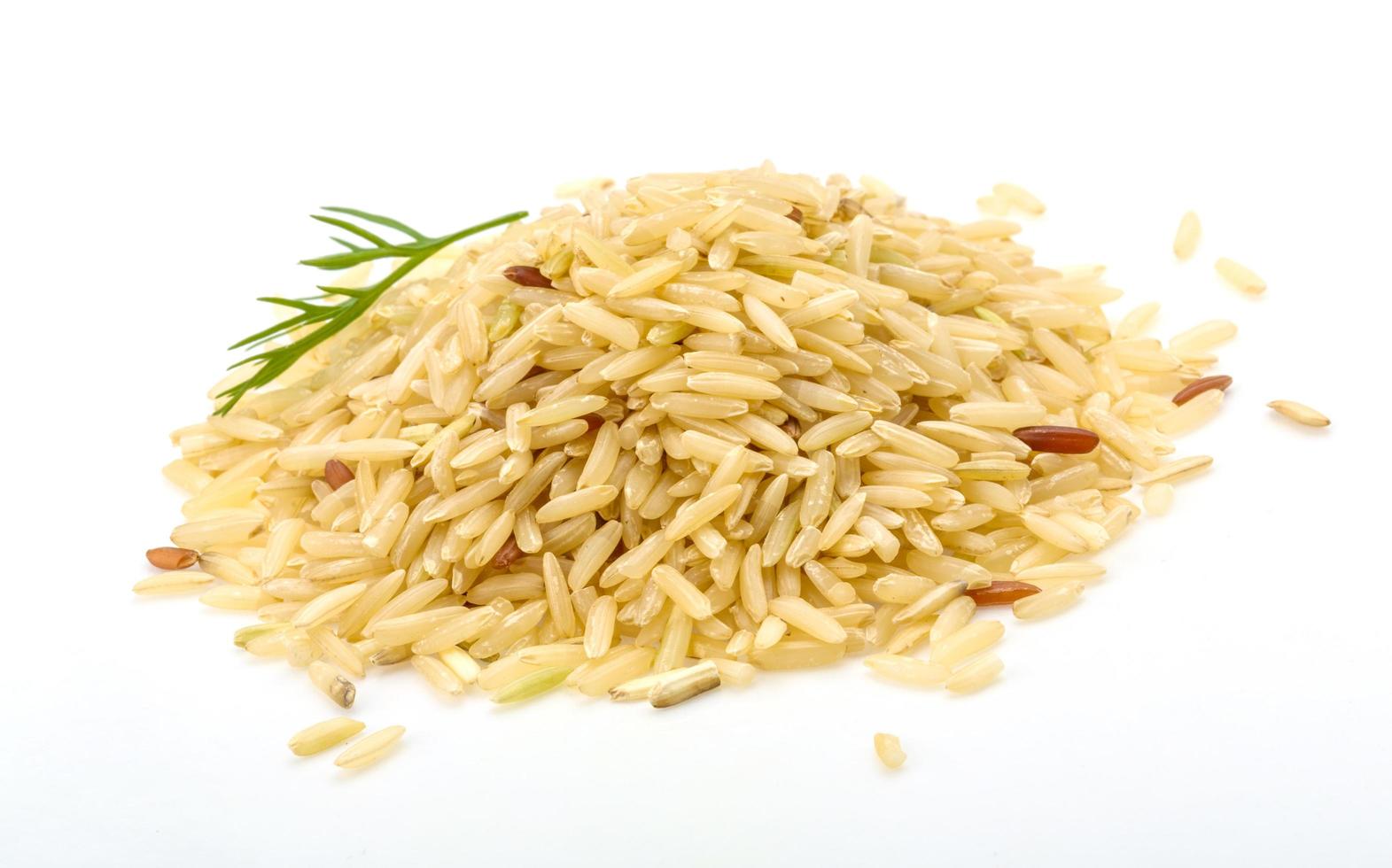
Brown Rice: A whole grain option with a nuttier flavor and chewier texture than white rice. It retains more nutrients and fiber due to minimal processing.
Millet: A small, round grain with a mild, slightly sweet flavor. It cooks quickly and can be prepared to be fluffy like rice or creamy like porridge.
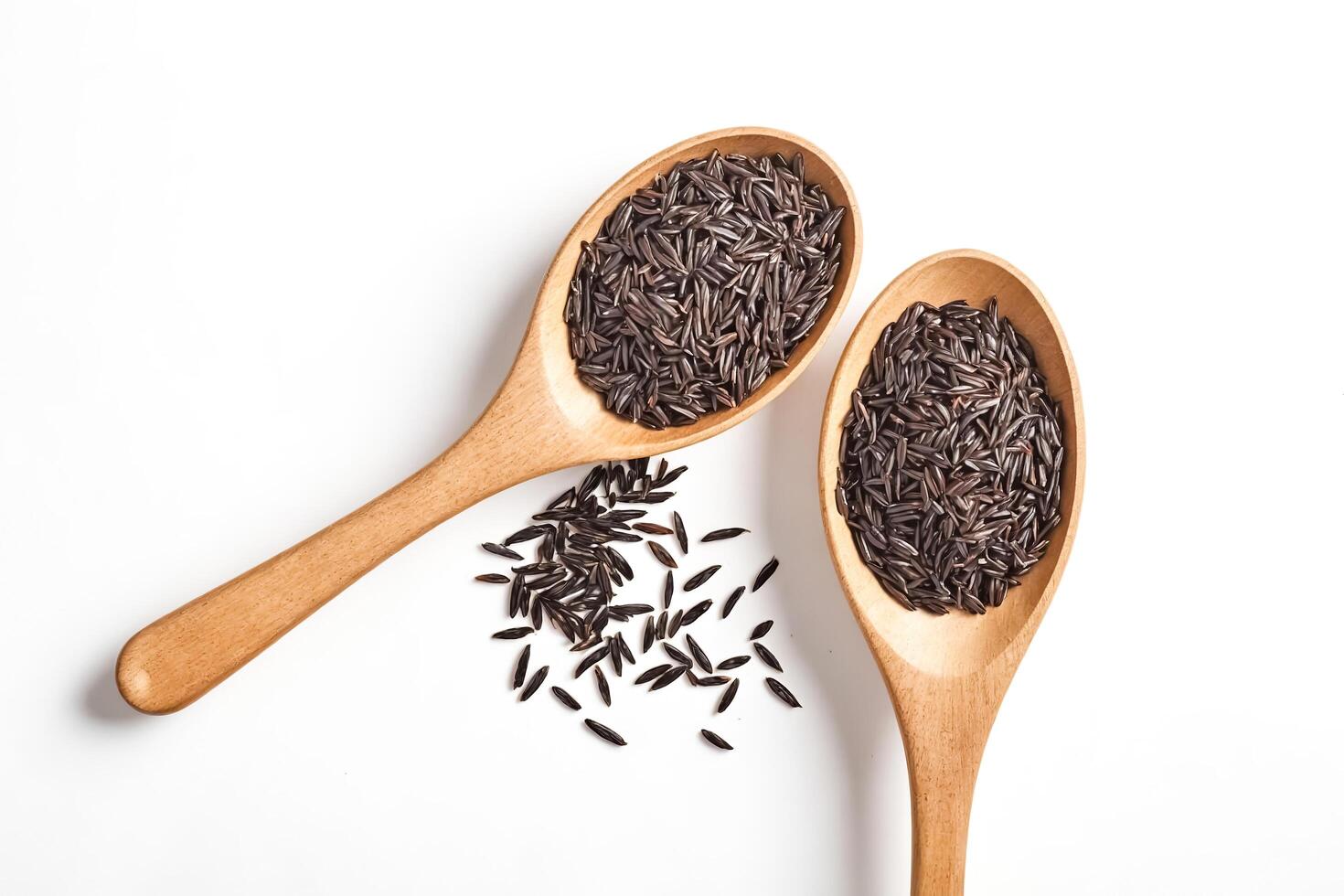
Wild Rice: Not actually rice, but a grass seed with a nutty flavor and chewy texture. It's rich in nutrients and often mixed with other rice varieties for added texture and flavor.

Health Information

? Frequently Asked Questions

4 questions
1 What rice is not gluten-free?
All pure, unprocessed rice is naturally gluten-free. However, some rice products may contain gluten due to cross-contamination during processing or the addition of gluten-containing ingredients. For example, rice mixes or flavored rice products might include gluten-containing additives or seasonings. Always check labels carefully if you have celiac disease or gluten sensitivity.
2 Can you eat white rice if you are gluten-free?
Yes, you can eat white rice if you are gluten-free. Rice is naturally gluten-free and is a safe option for people with celiac disease or gluten sensitivity. It's important to ensure that the rice hasn't been cross-contaminated with gluten-containing grains during processing or preparation. White rice can be a versatile and filling staple in a gluten-free diet.
3 Is Ben's Original Long Grain White Rice gluten-free?
Yes, Ben's Original Long Grain White Rice is gluten-free. Rice is naturally gluten-free, and Ben's Original does not add any gluten-containing ingredients to their plain white rice products. However, it's always best to check the packaging or contact the manufacturer directly if you have severe gluten sensitivities or celiac disease. As with any food product, cross-contamination during processing is a possibility, though unlikely in this case.
4 What is the best gluten-free rice?
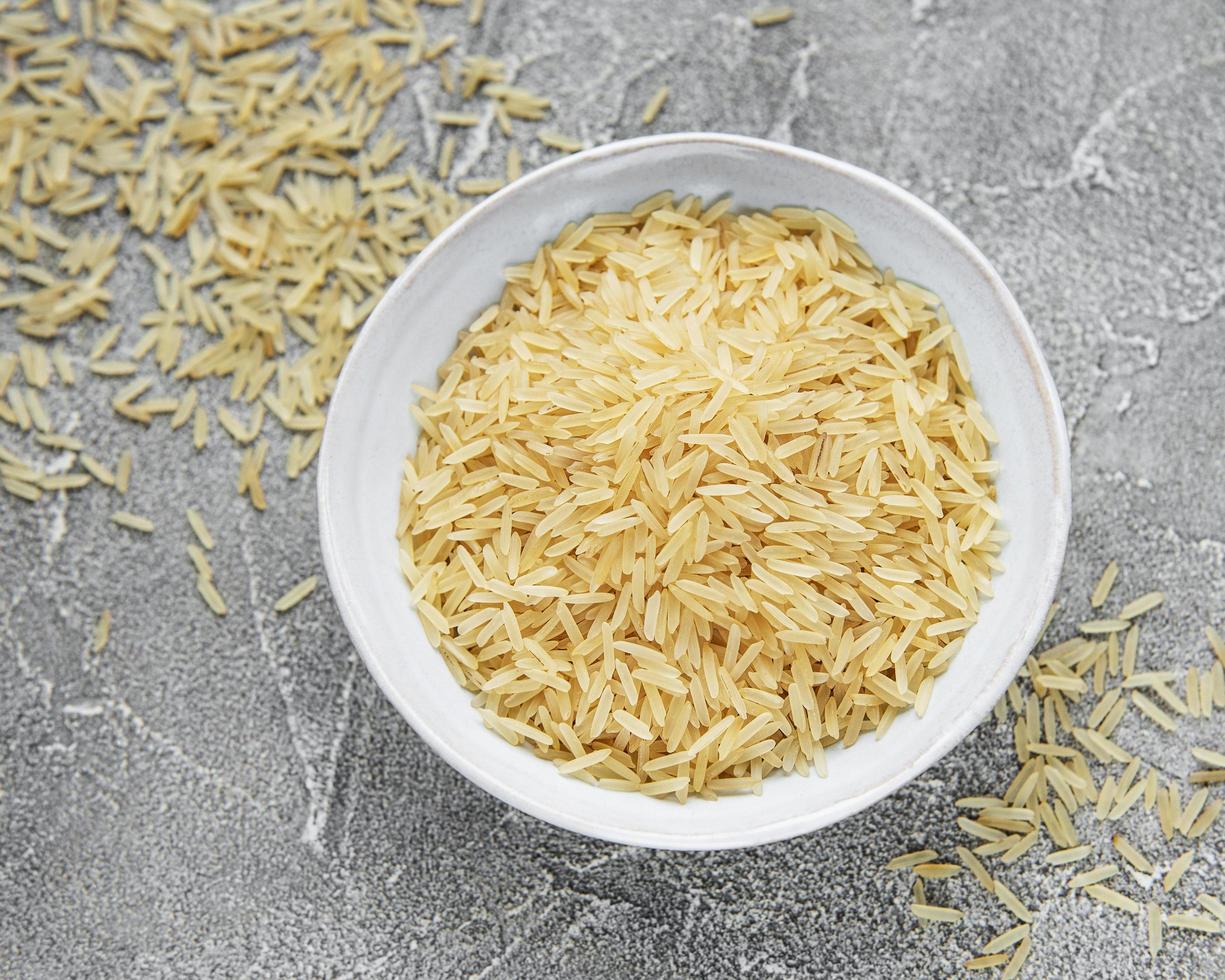
The best gluten-free rice is generally considered to be basmati rice. It has a light, fluffy texture and a nutty flavor that pairs well with many dishes. Basmati rice is naturally gluten-free and is known for its long grains and aromatic qualities. It's also a healthier option compared to some other rice varieties, as it has a lower glycemic index.
LIVE GLUTEN-FREE WITHOUT THE FUSS!
Introducing Tolerase® G, clinically proven to reduce up to 86% of gluten in under 10 minutes. Experience the freedom to eat what you love.
SHOP ANTI-GLUTEN PILLS
150mg pure Tolerase® G · Reduces gluten by 86% · Under 10 minutes

Our Expert

Drs. Ilse van Asperen, Orthomolecular Therapist and Nutritional Coach

Drs. Ilse van Asperen

Orthomolecular Therapist, Nutritional Coach & Professional Editor

Drs. Ilse van Asperen is a medical doctor specialising in orthomolecular therapy and nutritional coaching. With a background in public and clinical health research and management, she focuses on addressing the root causes of health issues through diet, gut health, and stress reduction. As a professional editor for Little Helpers, she reviews all gluten-free content to ensure accuracy, safety, and scientific credibility. Read more on Drs. Ilse van Asperen's own website

Our Sources

The information on this page is based on reputable health and nutrition organisations, ensuring accuracy and reliability for anyone following a gluten-free diet. For further details, see the sources below.
Sources

Similar Articles

Back to blog