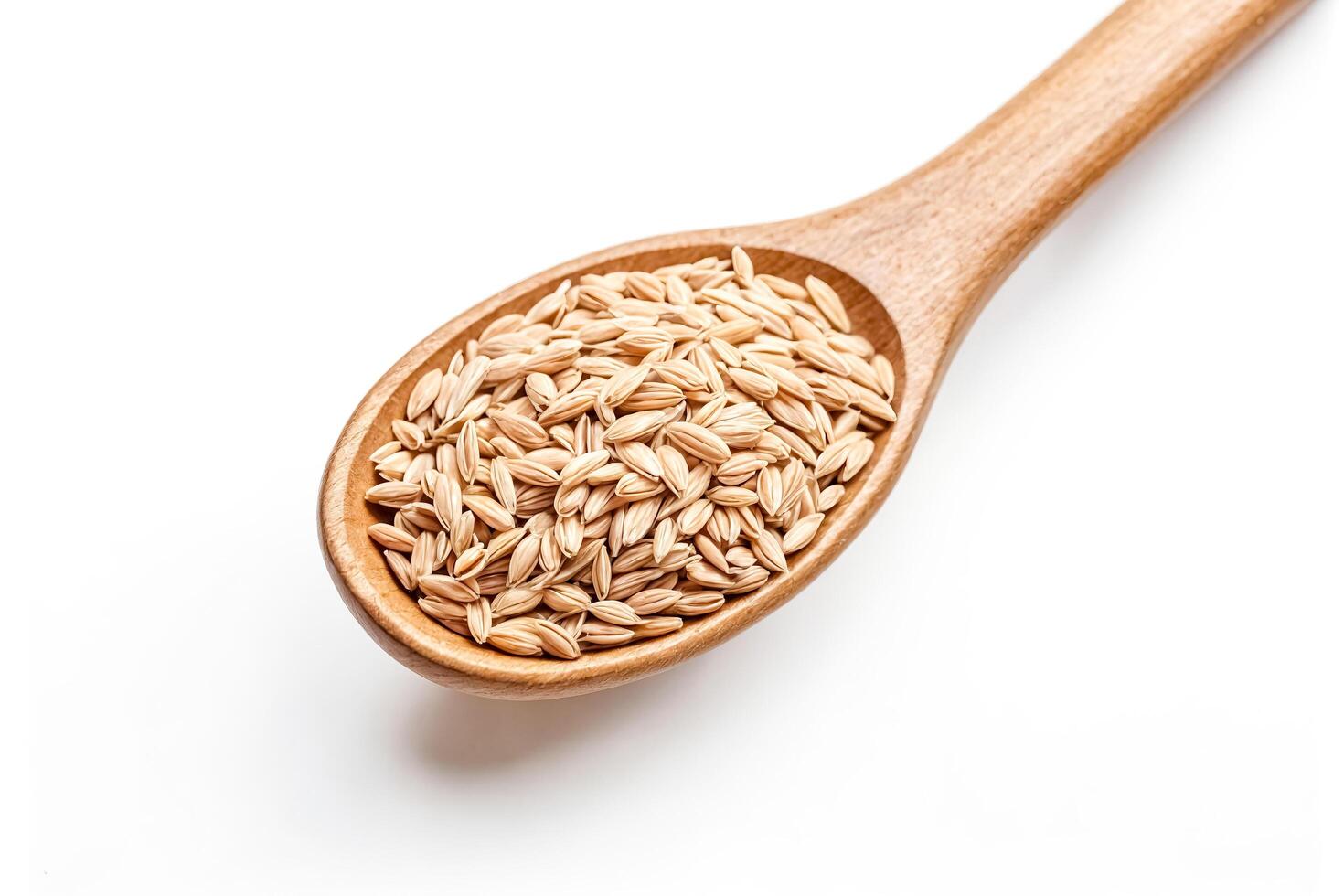
Is Malt Extract Gluten Free?

Is Malt Extract Gluten Free?

Malt extract is typically not gluten-free as it is usually derived from barley, which contains gluten. However, there are some specialty malt extracts made from gluten-free grains like sorghum or rice, which would be safe for those with gluten sensitivities or celiac disease.

TL;DR

Malt extract is typically not gluten-free as it is usually derived from barley, which contains gluten. However, there are some specialty malt extracts made from gluten-free grains like sorghum or rice, which would be safe for those with gluten sensitivities or celiac disease.

Quick Tips

1

Rich in B vitamins: Particularly B1, B2, B3, and B6, which support metabolism and energy production

2

Good source of minerals: Contains iron, magnesium, selenium, and potassium

3

Antioxidant properties: Contains flavonoids and phenolic compounds that help fight free radicals

# In This Article

3 sections

Quick navigation to each section of this article:

1 Benefits of Malt Extract

Rich in B vitamins: Particularly B1, B2, B3, and B6, which support metabolism and energy production

Jump
2 Who should avoid Malt Extract

People with celiac disease or non-celiac gluten sensitivity, as malt extract typically contains gluten

Jump
3 Gluten Free Alternatives

Here are five gluten-free alternatives to Malt Extract, along with brief descriptions:

Jump

Benefits of Malt Extract

Benefits of Malt Extract
Rich in B vitamins: Particularly B1, B2, B3, and B6, which support metabolism and energy production
Good source of minerals: Contains iron, magnesium, selenium, and potassium
Antioxidant properties: Contains flavonoids and phenolic compounds that help fight free radicals
Dietary fiber: Provides soluble fiber, which can aid digestion and promote gut health
Natural sweetener: Can be used as a healthier alternative to refined sugar
Energy booster: Provides complex carbohydrates for sustained energy release
Supports bone health: Contains phosphorus and calcium, which are essential for bone strength
May improve cholesterol levels: Some studies suggest it can help lower LDL (bad) cholesterol
Aids in muscle recovery: Contains proteins and carbohydrates that can support post-exercise recovery
Promotes healthy skin: Contains vitamins and minerals that support skin health
Potential prebiotic effects: May promote the growth of beneficial gut bacteria
Supports immune function: Contains compounds that may enhance immune system activity
Natural sleep aid: Contains hordenine, which may promote relaxation and better sleepRemember that while malt extract has these potential benefits, it should be consumed in moderation as part of a balanced diet.

Who should avoid Malt Extract

Who should avoid Malt Extract
People with celiac disease or non-celiac gluten sensitivity, as malt extract typically contains gluten
Individuals with wheat allergies, since malt extract is often derived from barley, which can cross-react with wheat
Those following a strict gluten-free diet for any reason
Diabetics or people monitoring their blood sugar levels, as malt extract has a high glycemic index
People with barley allergies or sensitivities
Individuals on a low-carbohydrate diet, as malt extract is high in carbohydrates
Those following a paleo or grain-free diet
People with malt allergies or sensitivities
Individuals trying to reduce their sugar intake, as malt extract is a form of sugar
Those with phenylketonuria (PKU), as malt extract contains phenylalanine
Anyone advised by their healthcare provider to avoid malt extract for specific health reasonsRemember, it’s always best to consult with a healthcare professional or registered dietitian for personalized advice regarding dietary restrictions or concerns.
ENJOY YOUR FAVORITE FOODS FEARLESSLY!
Don’t let gluten hold you back. Take Anti-Gluten Pills before your meal and enjoy peace of mind.
SHOP ANTI-GLUTEN PILLS
Clinically proven · Up to 86% gluten reduction · Fast acting

Gluten Free Alternatives

Here are five gluten-free alternatives to Malt Extract, along with brief descriptions:

Gluten Free Alternatives
Honey:A natural sweetener produced by bees from flower nectar. It has a distinct flavor profile and contains various enzymes, vitamins, and minerals.
Maple Syrup:A syrup made from the sap of maple trees. It has a unique, rich flavor and contains minerals like manganese and zinc.
Molasses:A thick, dark syrup that is a byproduct of sugar production. It has a strong, slightly bitter flavor and is rich in iron, calcium, and potassium.
Coconut Nectar:A syrup derived from coconut palm blossoms. It has a lower glycemic index than many sweeteners and contains amino acids and minerals.These alternatives can be used in various recipes as substitutes for malt extract, though the flavor profile and sweetness level may vary, so adjustments in quantity and other ingredients might be necessary.

Health Information

? Frequently Asked Questions

4 questions
1 How much gluten is in malt extract?
Malt extract typically contains gluten. The amount of gluten in malt extract can vary depending on the specific product and manufacturing process. Generally, malt extract is considered to have a significant amount of gluten, often exceeding the 20 parts per million threshold for gluten-free labeling. Individuals with celiac disease or gluten sensitivity should avoid malt extract unless it is specifically labeled as gluten-free.
2 Can celiacs eat barley malt extract?
Celiacs generally cannot safely consume barley malt extract. Barley contains gluten, which is harmful for people with celiac disease. Even small amounts of gluten from barley malt extract can trigger symptoms and intestinal damage in celiacs. It's best for those with celiac disease to avoid products containing barley malt extract.
3 Why is malt not gluten-free?
Malt is not gluten-free because it is typically made from barley, which contains gluten. Gluten is a protein found in wheat, barley, and rye. During the malting process, the barley grains are germinated and then dried, but this does not remove the gluten protein. As a result, any product containing malt or malt extract is not considered gluten-free and should be avoided by those with celiac disease or gluten sensitivity.
4 Is malt good for celiac disease?
Malt is not good for celiac disease. It is typically made from barley, which contains gluten. People with celiac disease need to strictly avoid gluten to prevent intestinal damage and other symptoms. Therefore, malt and products containing malt should be avoided by those with celiac disease.
LIVE GLUTEN-FREE WITHOUT THE FUSS!
Introducing Tolerase® G, clinically proven to reduce up to 86% of gluten in under 10 minutes. Experience the freedom to eat what you love.
SHOP ANTI-GLUTEN PILLS
150mg pure Tolerase® G · Reduces gluten by 86% · Under 10 minutes

Our Expert

Drs. Ilse van Asperen, Orthomolecular Therapist and Nutritional Coach

Drs. Ilse van Asperen

Orthomolecular Therapist, Nutritional Coach & Professional Editor

Drs. Ilse van Asperen is a medical doctor specialising in orthomolecular therapy and nutritional coaching. With a background in public and clinical health research and management, she focuses on addressing the root causes of health issues through diet, gut health, and stress reduction. As a professional editor for Little Helpers, she reviews all gluten-free content to ensure accuracy, safety, and scientific credibility. Read more on Drs. Ilse van Asperen's own website

Our Sources

The information on this page is based on reputable health and nutrition organisations, ensuring accuracy and reliability for anyone following a gluten-free diet. For further details, see the sources below.
Sources

Similar Articles

Back to blog