Is Matzo Gluten Free?

Is Matzo Gluten Free?

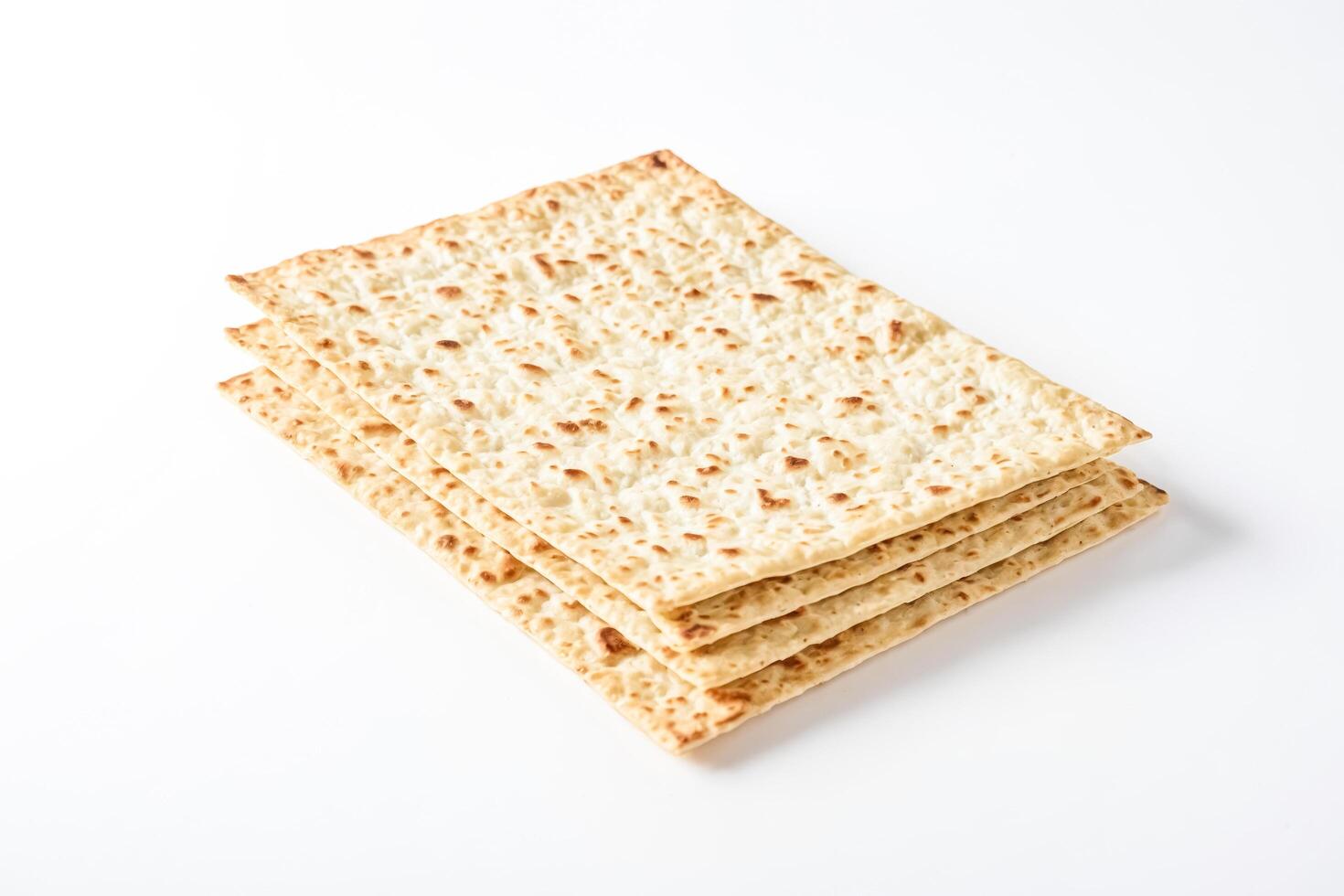
Matzo made from traditional wheat flour is not gluten-free, as wheat contains gluten. However, there are gluten-free matzo options available made from alternative flours such as oat, almond, or coconut, which can be suitable for those with celiac disease or gluten sensitivity.

TL;DR

Matzo made from traditional wheat flour is not gluten-free, as wheat contains gluten. However, there are gluten-free matzo options available made from alternative flours such as oat, almond, or coconut, which can be suitable for those with celiac disease or gluten sensitivity.

Quick Tips

1

Low in calories: Matzo is relatively low in calories, making it a good option for weight management.

2

Low in fat: It contains very little fat, which can be beneficial for heart health.

3

Simple ingredients: Made primarily from flour and water, matzo is free from additives and preservatives.

# In This Article

3 sections

Quick navigation to each section of this article:

1 Benefits of Matzo

Low in calories: Matzo is relatively low in calories, making it a good option for weight management.

Jump
2 Who should avoid Matzo

People with celiac disease or gluten sensitivity: Traditional matzo is made from wheat flour and contains gluten.

Jump
3 Gluten Free Alternatives

Here are five gluten-free alternatives to Matzo, along with short descriptions for each:

Jump

Benefits of Matzo

Benefits of Matzo
Low in calories: Matzo is relatively low in calories, making it a good option for weight management.
Low in fat: It contains very little fat, which can be beneficial for heart health.
Simple ingredients: Made primarily from flour and water, matzo is free from additives and preservatives.
Good source of complex carbohydrates: Provides sustained energy throughout the day.
Contains some fiber: Helps with digestion and promotes feelings of fullness.
Low in sodium: Plain matzo is typically low in salt, which can be beneficial for blood pressure management.
Versatile: Can be used as a base for healthier toppings and spreads.
Gluten-free options available: For those with celiac disease or gluten sensitivity.
Low glycemic index: Doesn’t cause rapid spikes in blood sugar levels.
Contains some B vitamins: Provides small amounts of essential B vitamins like thiamin and niacin.
Kosher for Passover: Meets dietary restrictions for those observing Jewish dietary laws.Remember that the health benefits can vary depending on the type of matzo and any additional ingredients or toppings used.

Who should avoid Matzo

Who should avoid Matzo
People with celiac disease or gluten sensitivity: Traditional matzo is made from wheat flour and contains gluten.
Individuals with wheat allergies: Matzo is typically made from wheat, which can trigger allergic reactions in some people.
Those following a low-carb or ketogenic diet: Matzo is high in carbohydrates.
People with constipation issues: Matzo can be binding and may exacerbate constipation in some individuals.
Individuals with diabetes: Matzo can cause rapid spikes in blood sugar levels due to its high glycemic index.
Those with a history of diverticulitis: The low fiber content of matzo might be problematic for some people with this condition.
People with certain gastrointestinal disorders: Some may find matzo difficult to digest, especially in large quantities.
Individuals following a low-sodium diet: Some types of matzo can be high in salt.
Those with egg allergies: Some varieties of matzo contain egg.
People observing certain religious dietary restrictions: During specific times, some individuals may need to avoid matzo that doesn’t meet particular religious requirements.It’s always best to consult with a healthcare provider or a registered dietitian if you have concerns about including matzo in your diet.
ENJOY YOUR FAVORITE FOODS FEARLESSLY!
Don’t let gluten hold you back. Take Anti-Gluten Pills before your meal and enjoy peace of mind.
SHOP ANTI-GLUTEN PILLS
Clinically proven · Up to 86% gluten reduction · Fast acting

Gluten Free Alternatives

Here are five gluten-free alternatives to Matzo, along with short descriptions for each:

Gluten Free Alternatives
Corn Tortillas:Flat, circular breads made from corn flour. They are versatile and can be used for wraps, tacos, or broken into pieces as a crunchy snack.
Lettuce Wraps:Large, sturdy lettuce leaves (like romaine or iceberg) used as a low-carb, gluten-free wrap alternative. They provide a fresh, crisp texture and are ideal for holding various fillings.
Gluten-Free Crackers:Made from alternative flours like almond, coconut, or rice. These crackers come in various flavors and can be used as a base for toppings or eaten on their own as a snack.
Vegetable Chips:Thinly sliced and baked or fried vegetables like sweet potatoes, beets, or zucchini. They offer a crunchy texture and can be used as a gluten-free alternative for dips or as a side dish.

Health Information

? Frequently Asked Questions

4 questions
1 Does matzah contain gluten?
Yes, traditional matzah contains gluten. Matzah is typically made from wheat flour, which is a gluten-containing grain. However, there are gluten-free versions of matzah available for those with celiac disease or gluten sensitivity. These alternatives are usually made from ingredients like oat, almond, or potato flour.
2 What flour is matzo made from?
Matzo is traditionally made from wheat flour. Specifically, it uses finely ground wheat that has been carefully monitored to prevent any fermentation or leavening. In some cases, spelt or rye flour may also be used to make matzo. For those with gluten sensitivities, there are also varieties made from oat flour.
3 Can Jews eat gluten?
Yes, Jews can generally eat gluten. Judaism does not have any specific dietary restrictions regarding gluten. The main dietary laws in Judaism relate to kosher foods, which primarily concern the types of animals that can be eaten and how they are prepared. Gluten-containing grains like wheat, barley, and rye are all considered kosher and can be consumed by Jews who do not have celiac disease or gluten sensitivities.
4 Is gluten-free matzo better?
Gluten-free matzo is not necessarily better than traditional matzo. It serves a specific purpose for those with celiac disease or gluten sensitivity who need to avoid wheat. However, many people find that traditional wheat-based matzo has a more authentic taste and texture. Ultimately, whether gluten-free matzo is "better" depends on individual dietary needs and preferences.
LIVE GLUTEN-FREE WITHOUT THE FUSS!
Introducing Tolerase® G, clinically proven to reduce up to 86% of gluten in under 10 minutes. Experience the freedom to eat what you love.
SHOP ANTI-GLUTEN PILLS
150mg pure Tolerase® G · Reduces gluten by 86% · Under 10 minutes

Our Expert

Drs. Ilse van Asperen, Orthomolecular Therapist and Nutritional Coach

Drs. Ilse van Asperen

Orthomolecular Therapist, Nutritional Coach & Professional Editor

Drs. Ilse van Asperen is a medical doctor specialising in orthomolecular therapy and nutritional coaching. With a background in public and clinical health research and management, she focuses on addressing the root causes of health issues through diet, gut health, and stress reduction. As a professional editor for Little Helpers, she reviews all gluten-free content to ensure accuracy, safety, and scientific credibility. Read more on Drs. Ilse van Asperen's own website

Our Sources

The information on this page is based on reputable health and nutrition organisations, ensuring accuracy and reliability for anyone following a gluten-free diet. For further details, see the sources below.
Sources

Similar Articles

Back to blog