Share
TL;DR
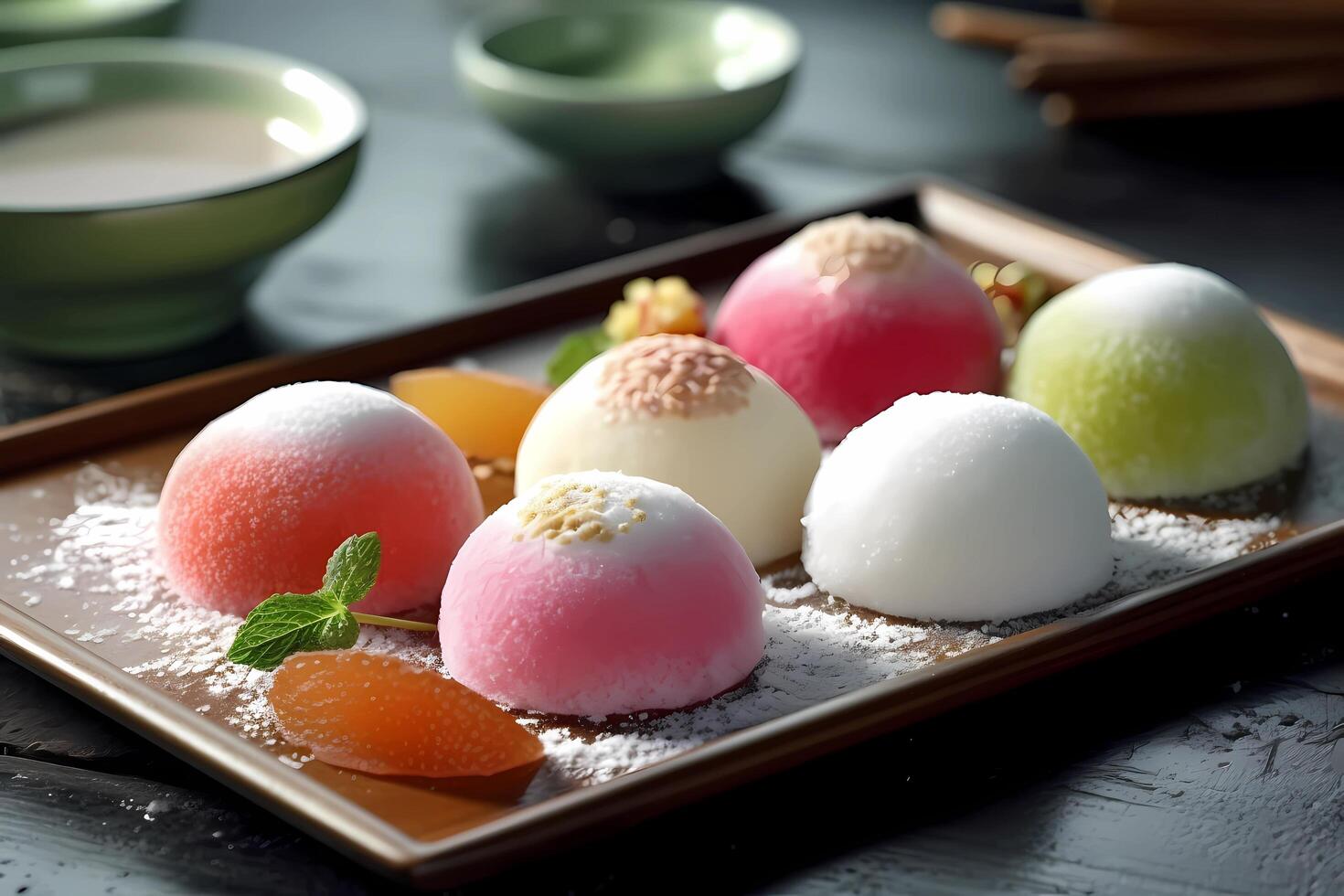
Mochi flour, which is made from ground sweet rice (also known as glutinous rice), is naturally gluten-free. Despite its name, glutinous rice does not contain gluten, making mochi flour a safe option for those with celiac disease or gluten sensitivity.
Quick Tips
1Gluten-free: Suitable for people with celiac disease or gluten sensitivity
2Low in fat: Contains minimal fat content, making it a good option for low-fat diets
3Good source of carbohydrates: Provides energy for daily activities
# In This Article
3 sectionsQuick navigation to each section of this article:
1 Benefits of Mochi Flour
Gluten-free: Suitable for people with celiac disease or gluten sensitivity
Jump2 Who should avoid Mochi Flour
People with rice allergies: Mochi flour is made from glutinous rice, so those with rice allergies should avoid it.
Jump3 Related Gluten Free Products
Here are five similar gluten-free options to Mochi Flour, along with short descriptions:
JumpBenefits of Mochi Flour
| Benefits of Mochi Flour |
|---|
| Gluten-free: Suitable for people with celiac disease or gluten sensitivity |
| Low in fat: Contains minimal fat content, making it a good option for low-fat diets |
| Good source of carbohydrates: Provides energy for daily activities |
| Contains some essential minerals: Including zinc, iron, and manganese |
| Low in sodium: Beneficial for those monitoring their salt intake |
| Easily digestible: The flour is easy on the digestive system for most people |
| Contains resistant starch: May help improve insulin sensitivity and promote gut health |
| Low glycemic index: May help in managing blood sugar levels when consumed in moderation |
| Versatile ingredient: Can be used in various recipes, allowing for diverse, healthy meal options |
| Naturally sweet: Can reduce the need for added sugars in some recipesIt’s important to note that while mochi flour does have these benefits, it should be consumed in moderation as part of a balanced diet. The high carbohydrate content means it should be eaten mindfully, especially for those managing their blood sugar levels. |
Who should avoid Mochi Flour
| Who should avoid Mochi Flour |
|---|
| People with rice allergies: Mochi flour is made from glutinous rice, so those with rice allergies should avoid it. |
| Individuals with celiac disease or gluten sensitivity: While mochi flour is gluten-free, it’s often processed in facilities that also handle wheat, so cross-contamination is possible. |
| People with diabetes: Mochi flour is high in carbohydrates and can cause rapid spikes in blood sugar levels. |
| Those with difficulty swallowing: Mochi can be very sticky and chewy, posing a choking hazard for people with swallowing issues. |
| Young children: Due to its sticky texture, mochi can be a choking hazard for young children. |
| Elderly individuals: They may have difficulty chewing and swallowing mochi, increasing the risk of choking. |
| People with dental issues: The sticky nature of mochi can be problematic for those with certain dental work or conditions. |
| Individuals on a low-carb diet: Mochi flour is high in carbohydrates and may not fit into low-carb dietary plans. |
| Those with grain sensitivities: Some people may experience digestive discomfort from consuming rice products.Remember, it’s always best to consult with a healthcare professional if you have concerns about consuming mochi flour or products made with it. |
Related Gluten Free Products
Here are five similar gluten-free options to Mochi Flour, along with short descriptions:
| Related Gluten Free Products |
|---|
| Tapioca Flour:Made from cassava root, this flour has a slightly sweet flavor and creates a chewy texture in baked goods. It's often used as a thickener and can help improve the texture of gluten-free bread. |
| Cornstarch:A fine, powdery starch extracted from corn kernels. It's commonly used as a thickener in sauces and gravies, and can also be used in baking to create a light, crisp texture in cookies and cakes. |
| Potato Starch:A fine, white powder extracted from potatoes. It's excellent for creating a light and fluffy texture in baked goods and can also be used as a thickener in soups and sauces. |
| Sorghum Flour:Made from ground sorghum grains, this flour has a slightly sweet, nutty flavor. It's high in protein and fiber, making it a nutritious option for gluten-free baking, particularly in bread and pancakes. |
Health Information
? Frequently Asked Questions
4 questions1 Is all mochi gluten free?
2 What is mochi flour made of?
3 Is glutinous rice flour gluten-free?
4 Why is mochinut not gluten-free?
Our Expert
Drs. Ilse van Asperen
Orthomolecular Therapist, Nutritional Coach & Professional Editor
Drs. Ilse van Asperen is a medical doctor specialising in orthomolecular therapy and nutritional coaching. With a background in public and clinical health research and management, she focuses on addressing the root causes of health issues through diet, gut health, and stress reduction. As a professional editor for Little Helpers, she reviews all gluten-free content to ensure accuracy, safety, and scientific credibility. Read more on Drs. Ilse van Asperen's own website
Our Sources
The information on this page is based on reputable health and nutrition organisations, ensuring accuracy and reliability for anyone following a gluten-free diet. For further details, see the sources below.