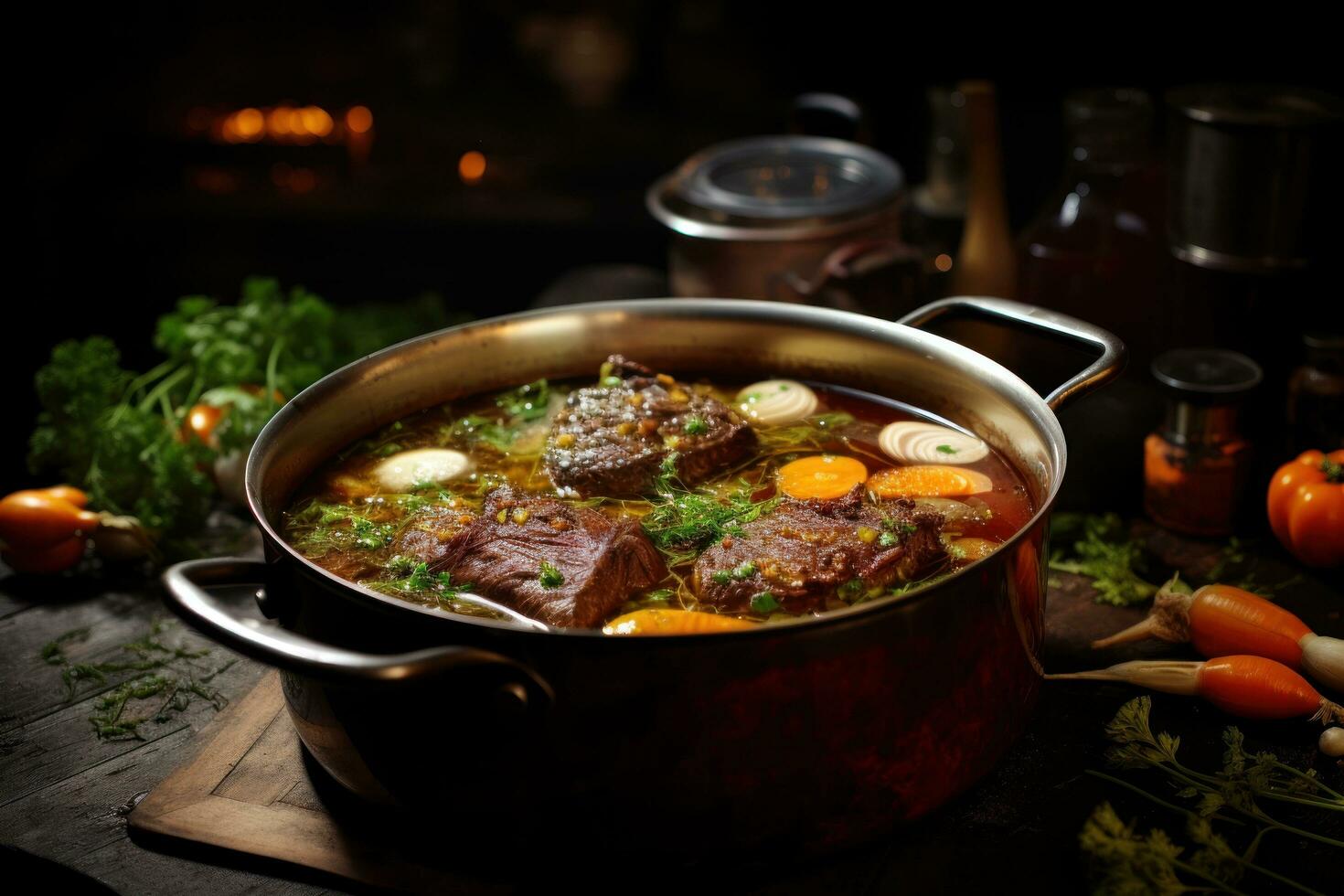
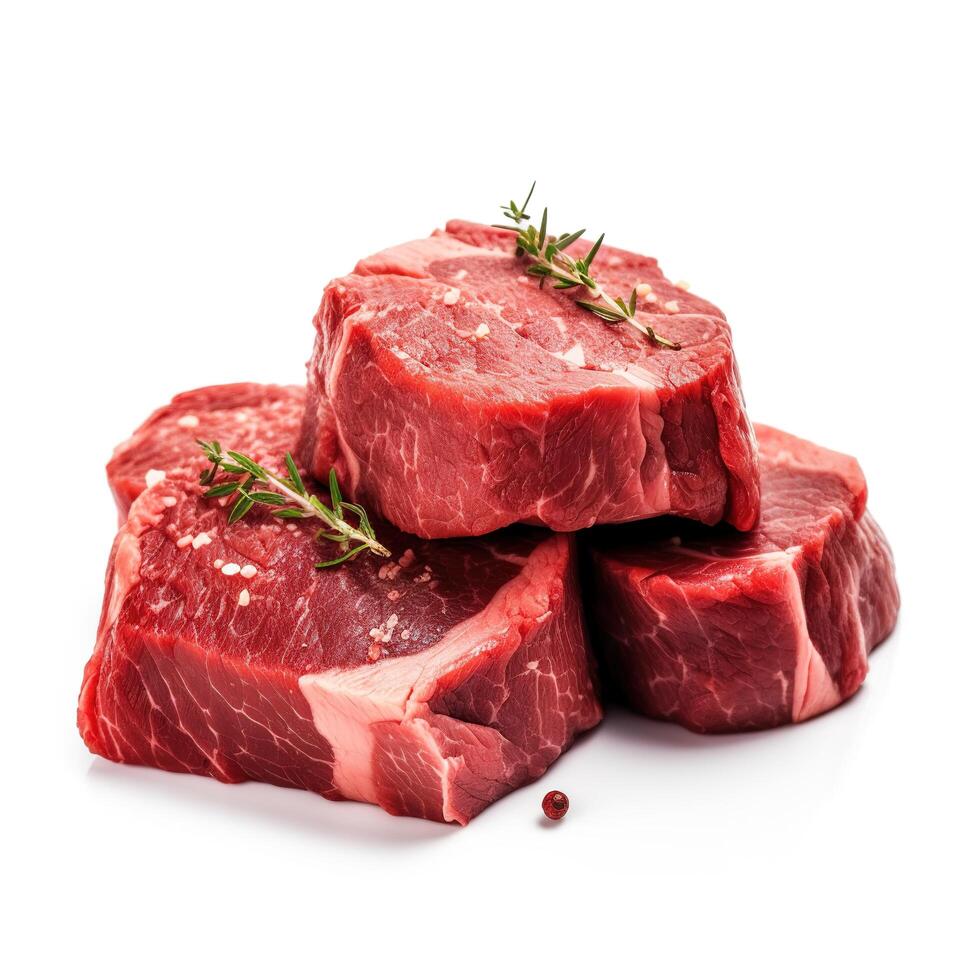
Is Mongolian Beef Gluten Free?

Is Mongolian Beef Gluten Free?

Traditional Mongolian beef is typically gluten-free as it’s usually made with beef, vegetables, and a sauce that doesn’t contain wheat-based ingredients. However, some restaurant versions may use soy sauce or other additives that contain gluten, so it’s always best to check with the specific recipe or restaurant to be certain.

TL;DR

Traditional Mongolian beef is typically gluten-free as it’s usually made with beef, vegetables, and a sauce that doesn’t contain wheat-based ingredients. However, some restaurant versions may use soy sauce or other additives that contain gluten, so it’s always best to check with the specific recipe or restaurant to be certain.

Quick Tips

1

High protein content: Beef is an excellent source of protein, which is essential for muscle growth and repair.

2

Iron-rich: Beef is a good source of iron, which helps prevent anemia and supports overall energy levels.

3

Zinc source: Beef contains zinc, which is important for immune function and wound healing.

# In This Article

3 sections

Quick navigation to each section of this article:

1 Benefits of Mongolian Beef

High protein content: Beef is an excellent source of protein, which is essential for muscle growth and repair.

Jump
2 Who should avoid Mongolian Beef

Individuals with soy allergies (due to the soy sauce often used in the dish)

Jump
3 Gluten Free Alternatives

Here are five gluten-free alternatives to Mongolian Beef, along with short descriptions:

Jump

Benefits of Mongolian Beef

Benefits of Mongolian Beef
High protein content: Beef is an excellent source of protein, which is essential for muscle growth and repair.
Iron-rich: Beef is a good source of iron, which helps prevent anemia and supports overall energy levels.
Zinc source: Beef contains zinc, which is important for immune function and wound healing.
B-vitamin complex: Beef provides various B vitamins, including B12, which is crucial for nerve function and red blood cell formation.
Selenium content: Beef contains selenium, an antioxidant that supports thyroid function and helps protect cells from damage.
Conjugated Linoleic Acid (CLA): Some studies suggest CLA, found in beef, may have anti-cancer properties and support weight management.
Vegetable intake: Mongolian Beef often includes vegetables like onions and bell peppers, which provide additional vitamins and fiber.
Low-carb option: When prepared without added sugars or starches, Mongolian Beef can be a relatively low-carb meal choice.
Garlic benefits: Mongolian Beef often includes garlic, which has potential anti-inflammatory and immune-boosting properties.
Ginger benefits: Some recipes include ginger, which may aid digestion and have anti-inflammatory effects.Note: The health benefits can vary based on the specific recipe and preparation method. It’s also important to consume beef in moderation as part of a balanced diet.

Who should avoid Mongolian Beef

Who should avoid Mongolian Beef
Individuals with soy allergies (due to the soy sauce often used in the dish)
People with gluten sensitivities or celiac disease (unless a gluten-free soy sauce is used)
Those with high blood pressure (due to the high sodium content)
Individuals on a low-sodium diet
People with diabetes (due to the sugar content in the sauce)
Those following a low-fat diet (as the dish can be high in fat)
Vegetarians and vegans
Individuals with beef allergies or intolerances
Those avoiding red meat for health or personal reasons
People with certain religious dietary restrictions (e.g., those who don’t eat beef)
Individuals with MSG sensitivities (if MSG is used in the preparation)
Those on a low-calorie diet (as Mongolian Beef can be calorie-dense)
People with certain gastrointestinal conditions that are aggravated by spicy or rich foodsRemember that many of these concerns can be addressed by modifying the recipe or choosing alternative ingredients. Always consult with a healthcare professional if you have specific dietary concerns.
ENJOY YOUR FAVORITE FOODS FEARLESSLY!
Don’t let gluten hold you back. Take Anti-Gluten Pills before your meal and enjoy peace of mind.
SHOP ANTI-GLUTEN PILLS
Clinically proven · Up to 86% gluten reduction · Fast acting

Gluten Free Alternatives

Here are five gluten-free alternatives to Mongolian Beef, along with short descriptions:

Gluten Free Alternatives
Mongolian Tofu:A vegetarian option using extra-firm tofu as the protein source. The tofu is typically crispy-fried and then coated in a gluten-free version of the classic Mongolian sauce, providing a meat-free alternative with similar textures and flavors.
Mongolian Shrimp:This seafood variation uses succulent shrimp in place of beef. The shrimp is quickly stir-fried and tossed in a gluten-free Mongolian-style sauce, offering a lighter, sweeter flavor with a hint of brininess from the seafood.
Mongolian Lamb:Using tender cuts of lamb instead of beef, this alternative provides a richer, slightly gamey flavor. The lamb is typically sliced thin and stir-fried with a gluten-free sauce, creating a more robust version of the classic dish.
Mongolian Vegetables:A plant-based option that focuses on a variety of vegetables such as bell peppers, mushrooms, and broccoli. These are stir-fried and coated in a gluten-free Mongolian-inspired sauce, offering a lighter, nutrient-rich alternative that still captures the essence of the original dish.

Health Information

? Frequently Asked Questions

4 questions
1 Does Mongolian beef contain gluten?
Mongolian beef often contains gluten. The sauce typically includes soy sauce, which contains wheat. Additionally, the beef is usually coated in cornstarch or flour before cooking, which may contain gluten. However, gluten-free versions can be made by using tamari instead of soy sauce and alternative starches for coating.
2 What is Mongolian beef made of?
Mongolian beef is typically made with sliced beef, usually flank steak or sirloin. It is stir-fried with vegetables like green onions and often includes garlic and ginger for flavor. The dish is typically coated in a savory brown sauce made with soy sauce, brown sugar, and sometimes hoisin sauce. Despite its name, Mongolian beef is not actually a traditional Mongolian dish, but rather a creation of Chinese-American cuisine.
3 What is Mongolian sauce made of?
Mongolian sauce typically consists of soy sauce, hoisin sauce, and garlic as its base ingredients. It often includes brown sugar or honey for sweetness, and may incorporate ginger, rice vinegar, and sesame oil for added flavor. Some recipes also add chili sauce or red pepper flakes for heat. The exact composition can vary, but these are the most common components of Mongolian sauce.
4 Is Mongolian lamb gluten free?
Mongolian lamb itself is naturally gluten-free. The meat of lamb does not contain any gluten. However, the preparation and cooking methods used in Mongolian lamb dishes may introduce gluten. It's important to check the ingredients of any sauces or marinades used, as these could potentially contain gluten-containing elements like soy sauce or wheat-based thickeners.
LIVE GLUTEN-FREE WITHOUT THE FUSS!
Introducing Tolerase® G, clinically proven to reduce up to 86% of gluten in under 10 minutes. Experience the freedom to eat what you love.
SHOP ANTI-GLUTEN PILLS
150mg pure Tolerase® G · Reduces gluten by 86% · Under 10 minutes

Our Expert

Drs. Ilse van Asperen, Orthomolecular Therapist and Nutritional Coach

Drs. Ilse van Asperen

Orthomolecular Therapist, Nutritional Coach & Professional Editor

Drs. Ilse van Asperen is a medical doctor specialising in orthomolecular therapy and nutritional coaching. With a background in public and clinical health research and management, she focuses on addressing the root causes of health issues through diet, gut health, and stress reduction. As a professional editor for Little Helpers, she reviews all gluten-free content to ensure accuracy, safety, and scientific credibility. Read more on Drs. Ilse van Asperen's own website

Our Sources

The information on this page is based on reputable health and nutrition organisations, ensuring accuracy and reliability for anyone following a gluten-free diet. For further details, see the sources below.
Sources

Similar Articles

Back to blog