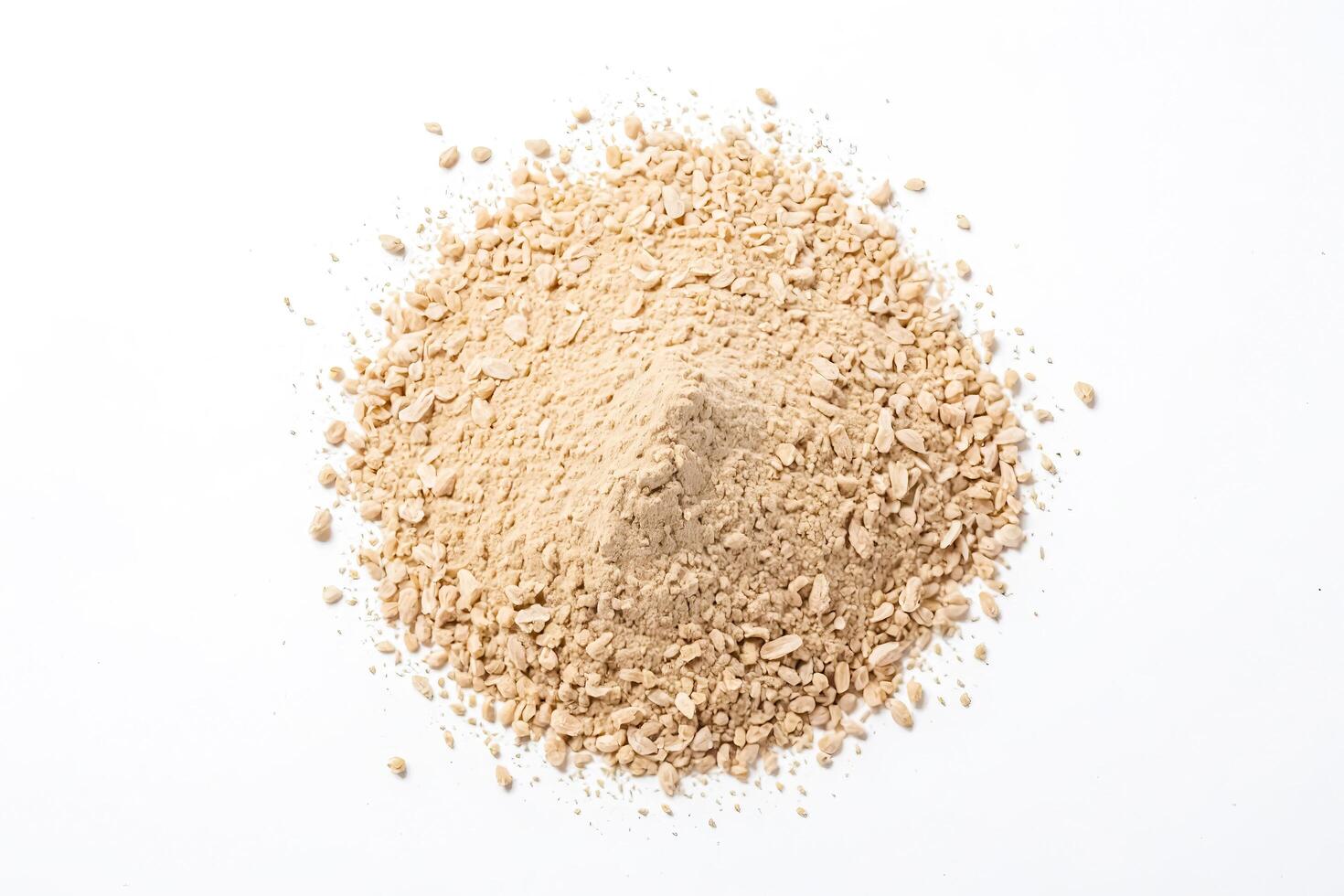
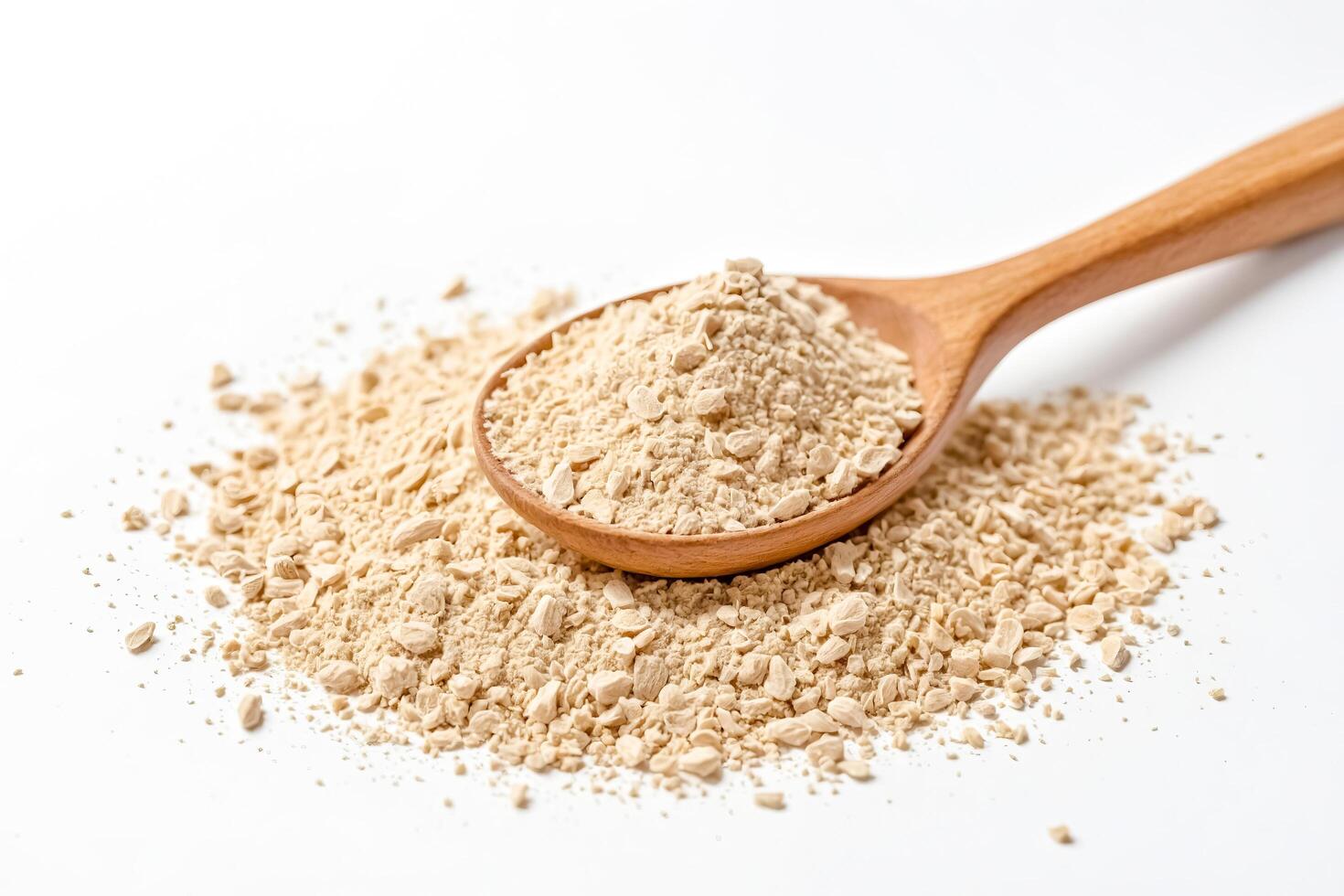
Is Nutritional yeast Gluten Free?

Is Nutritional yeast Gluten Free?

Nutritional yeast is typically gluten-free, as it’s made from a strain of yeast grown on molasses and does not contain wheat or other gluten-containing grains. However, it’s always best to check the specific product label or with the manufacturer to ensure the nutritional yeast is certified gluten-free, as cross-contamination can sometimes occur during processing.

TL;DR

Nutritional yeast is typically gluten-free, as it’s made from a strain of yeast grown on molasses and does not contain wheat or other gluten-containing grains. However, it’s always best to check the specific product label or with the manufacturer to ensure the nutritional yeast is certified gluten-free, as cross-contamination can sometimes occur during processing.

Quick Tips

1

Rich source of B vitamins, including B12 (in fortified varieties)

2

Complete protein containing all nine essential amino acids

3

Low in calories and fat

# In This Article

3 sections

Quick navigation to each section of this article:

1 Benefits of Nutritional yeast

Rich source of B vitamins, including B12 (in fortified varieties)

Jump
2 Who should avoid Nutritional yeast

People with inflammatory bowel diseases (IBD) like Crohn’s disease or ulcerative colitis, as it may exacerbate symptoms

Jump
3 Related Gluten Free Products

Here are five similar gluten-free options to nutritional yeast:

Jump

Benefits of Nutritional yeast

Benefits of Nutritional yeast
Rich source of B vitamins, including B12 (in fortified varieties)
Complete protein containing all nine essential amino acids
Low in calories and fat
Good source of fiber
Contains minerals like zinc, selenium, and manganese
Naturally gluten-free
Provides a cheesy, nutty flavor for vegan and vegetarian dishes
May support immune function due to beta-glucans content
Potential to lower cholesterol levels
May help regulate blood sugar levels
Contains antioxidants like glutathione and selenomethionine
Supports healthy skin, hair, and nails
Can be used as a flavor enhancer in various recipes
Often fortified with additional nutrients
May have anti-inflammatory properties
Supports digestive health due to its fiber content
Can be a good nutritional supplement for vegetarians and vegans
May help in weight management due to its protein and fiber contentRemember that while nutritional yeast offers many benefits, it’s always best to consult with a healthcare professional before making significant changes to your diet or using it as a supplement.

Who should avoid Nutritional yeast

Who should avoid Nutritional yeast
People with inflammatory bowel diseases (IBD) like Crohn’s disease or ulcerative colitis, as it may exacerbate symptoms
Individuals with a yeast allergy or sensitivity
Those with a sensitivity to glutamic acid, which is naturally present in nutritional yeast
People prone to migraines, as some report nutritional yeast as a trigger
Individuals taking monoamine oxidase inhibitors (MAOIs), due to potential interactions
Those with gout or at high risk for gout, as nutritional yeast is high in purines
People on a low-tyramine diet, as nutritional yeast contains tyramine
Individuals with autoimmune conditions, who should consult their doctor before consuming it
Those with chronic candida infections, as there’s debate about whether it may exacerbate the condition
People with undiagnosed or uncontrolled high blood pressure, as nutritional yeast is often high in sodium
Individuals with phenylketonuria (PKU), due to the phenylalanine content in nutritional yeastAlways consult with a healthcare professional before making significant changes to your diet, especially if you have pre-existing health conditions.
ENJOY YOUR FAVORITE FOODS FEARLESSLY!
Don’t let gluten hold you back. Take Anti-Gluten Pills before your meal and enjoy peace of mind.
SHOP ANTI-GLUTEN PILLS
Clinically proven · Up to 86% gluten reduction · Fast acting

Here are five similar gluten-free options to nutritional yeast:

Related Gluten Free Products
Brewer's Yeast: A deactivated yeast rich in B vitamins and minerals. It has a slightly bitter taste and is often used as a nutritional supplement or flavoring agent in savory dishes.
Engevita: A brand of inactive yeast flakes, similar to nutritional yeast. It's fortified with vitamin B12 and has a nutty, cheesy flavor, making it popular among vegans and vegetarians.
Torula Yeast: A type of yeast grown on wood alcohols or sugars. It has a meaty, umami flavor and is often used as a flavor enhancer in savory snacks and seasonings.
Liquid Aminos: A liquid protein concentrate made from soybeans. It has a salty, savory taste similar to soy sauce and can be used to add umami flavor to dishes.
Mushroom Powder: Made from dried and ground mushrooms, this powder adds an earthy, savory flavor to dishes. It's rich in umami and can be used as a seasoning or flavor enhancer in various recipes.These alternatives can be used in similar ways to nutritional yeast, providing flavor and nutrition to various dishes while remaining gluten-free.

Health Information

? Frequently Asked Questions

2 questions
1 Is nutritional yeast inflammatory?
Nutritional yeast is generally not considered inflammatory for most people. In fact, it contains compounds that may have anti-inflammatory properties, such as beta-glucans. However, some individuals may have sensitivities or allergies to yeast that could potentially cause an inflammatory response. It's always best to consult with a healthcare professional if you have concerns about how specific foods may affect your health.
2 Is nutritional yeast good for gut health?
Nutritional yeast may have some benefits for gut health. It contains prebiotics, which can help feed beneficial gut bacteria. However, research on its specific effects on gut health is limited. More studies are needed to fully understand its impact on the gut microbiome and digestive system.
LIVE GLUTEN-FREE WITHOUT THE FUSS!
Introducing Tolerase® G, clinically proven to reduce up to 86% of gluten in under 10 minutes. Experience the freedom to eat what you love.
SHOP ANTI-GLUTEN PILLS
150mg pure Tolerase® G · Reduces gluten by 86% · Under 10 minutes

Our Expert

Drs. Ilse van Asperen, Orthomolecular Therapist and Nutritional Coach

Drs. Ilse van Asperen

Orthomolecular Therapist, Nutritional Coach & Professional Editor

Drs. Ilse van Asperen is a medical doctor specialising in orthomolecular therapy and nutritional coaching. With a background in public and clinical health research and management, she focuses on addressing the root causes of health issues through diet, gut health, and stress reduction. As a professional editor for Little Helpers, she reviews all gluten-free content to ensure accuracy, safety, and scientific credibility. Read more on Drs. Ilse van Asperen's own website

Our Sources

The information on this page is based on reputable health and nutrition organisations, ensuring accuracy and reliability for anyone following a gluten-free diet. For further details, see the sources below.
Sources

Similar Articles

Back to blog