Share
TL;DR
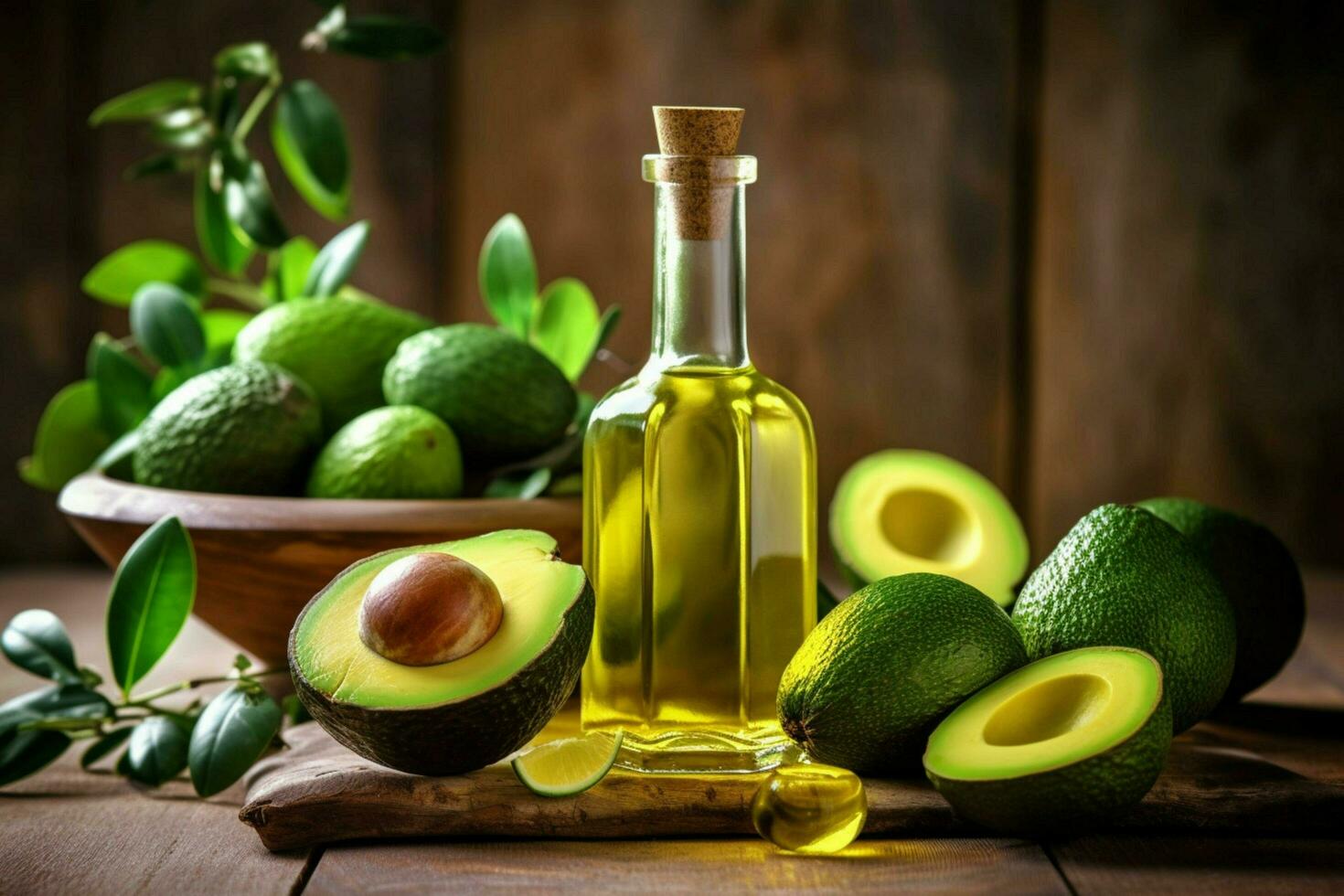
Yes, oil is generally gluten-free. Pure oils, whether vegetable, nut, seed, or animal-based, do not naturally contain gluten proteins.
Quick Tips
1Provides essential fatty acids necessary for bodily functions
2Helps absorb fat-soluble vitamins (A, D, E, K)
3Can reduce inflammation (especially olive and fish oils)
# In This Article
3 sectionsQuick navigation to each section of this article:
Benefits of Oil
| Benefits of Oil |
|---|
| Provides essential fatty acids necessary for bodily functions |
| Helps absorb fat-soluble vitamins (A, D, E, K) |
| Can reduce inflammation (especially olive and fish oils) |
| May lower risk of heart disease (e.g., olive oil) |
| Can improve cholesterol levels (e.g., olive and avocado oils) |
| Supports brain health and cognitive function (e.g., fish oil) |
| May help control blood sugar levels (e.g., coconut oil) |
| Promotes healthy skin and hair (e.g., argan and jojoba oils) |
| Can boost the immune system (e.g., oregano oil) |
| May have antimicrobial properties (e.g., coconut and tea tree oils) |
| Supports joint health and reduces arthritis symptoms (e.g., fish oil) |
| Can aid in weight management when used in moderation |
| May have anticancer properties (e.g., olive oil) |
| Provides a source of energy for the body |
| Can improve hormone balance (e.g., evening primrose oil)Note that the health benefits can vary depending on the type of oil and how it’s used. It’s always best to consult with a healthcare professional for personalized advice. |
Who should avoid Oil
| Who should avoid Oil |
|---|
| People with high cholesterol levels |
| Individuals with heart disease or at high risk for cardiovascular problems |
| Those trying to lose weight or maintain a healthy weight |
| People with gallbladder issues or a history of gallstones |
| Individuals with pancreatitis or a history of pancreatic problems |
| Those with certain digestive disorders, such as irritable bowel syndrome (IBS) |
| People with non-alcoholic fatty liver disease (NAFLD) |
| Individuals following specific diets that restrict oil intake (e.g., whole food plant-based diets) |
| Those with a history of certain types of cancer, particularly hormone-sensitive cancers |
| People with diabetes who need to manage their calorie and fat intake carefully |
| Individuals with a history of acne or other skin conditions that may be exacerbated by oil consumption |
| Those with specific food allergies or sensitivities to certain types of oilsIt’s important to note that while some people may need to avoid or limit oils, moderate consumption of healthy oils can be part of a balanced diet for many individuals. Always consult with a healthcare professional or registered dietitian for personalized advice. |
Related Gluten Free Products
Here are five gluten-free options similar to Oiland, along with short descriptions for each product:
| Related Gluten Free Products |
|---|
| Coconut Aminos:A soy-free, gluten-free alternative to soy sauce made from coconut sap. It has a slightly sweet flavor and is lower in sodium compared to traditional soy sauce. |
| Tamari:A Japanese-style soy sauce that is typically gluten-free (always check the label). It has a richer, less salty flavor than regular soy sauce and is made from fermented soybeans. |
| Liquid Aminos:A gluten-free, soy-based seasoning sauce that provides a similar umami flavor to soy sauce. It's often lower in sodium and contains essential amino acids. |
| Worcestershire Sauce (gluten-free varieties):A fermented liquid condiment that adds a savory, tangy flavor to dishes. Some brands offer gluten-free versions made without malt vinegar. |
| Balsamic Glaze:A reduction of balsamic vinegar that creates a sweet and tangy syrup-like condiment. It's naturally gluten-free and can be used as a flavor enhancer in various dishes.These options can be used as substitutes for Oiland in recipes or as condiments, providing similar umami flavors while adhering to gluten-free dietary requirements. |
Health Information
? Frequently Asked Questions
4 questions1 What oils are not gluten-free?
2 Is all olive oil gluten-free?
3 Is all canola oil gluten-free?
4 What oils are gluten and dairy free?
Our Expert
Drs. Ilse van Asperen
Orthomolecular Therapist, Nutritional Coach & Professional Editor
Drs. Ilse van Asperen is a medical doctor specialising in orthomolecular therapy and nutritional coaching. With a background in public and clinical health research and management, she focuses on addressing the root causes of health issues through diet, gut health, and stress reduction. As a professional editor for Little Helpers, she reviews all gluten-free content to ensure accuracy, safety, and scientific credibility. Read more on Drs. Ilse van Asperen's own website
Our Sources
The information on this page is based on reputable health and nutrition organisations, ensuring accuracy and reliability for anyone following a gluten-free diet. For further details, see the sources below.