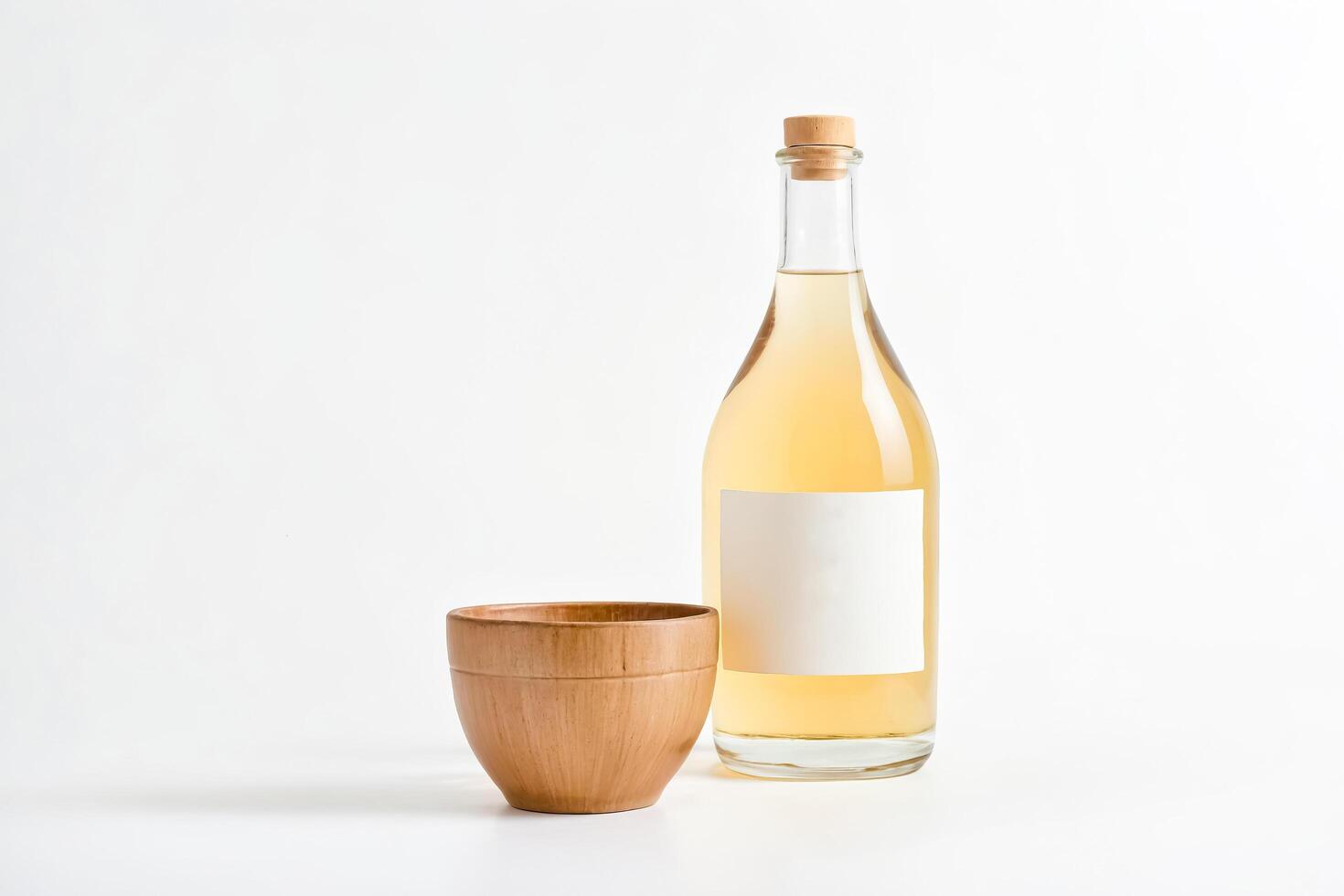
Is Ozeki Sake Gluten Free?

Is Ozeki Sake Gluten Free?

Ozeki Sake is generally considered gluten-free as it is made from rice, water, koji mold, and yeast, none of which contain gluten. However, it’s always best to check the specific product label or contact the manufacturer directly to confirm, as production methods or additives can sometimes introduce gluten contamination in rare cases.

TL;DR

Ozeki Sake is generally considered gluten-free as it is made from rice, water, koji mold, and yeast, none of which contain gluten. However, it’s always best to check the specific product label or contact the manufacturer directly to confirm, as production methods or additives can sometimes introduce gluten contamination in rare cases.

Quick Tips

1

Low calorie content compared to many other alcoholic beverages

2

Contains amino acids that may support the immune system

3

Rich in ferulic acid, an antioxidant that may have anti-inflammatory properties

# In This Article

3 sections

Quick navigation to each section of this article:

1 Benefits of Ozeki Sake

Low calorie content compared to many other alcoholic beverages

Jump
2 Who should avoid Ozeki Sake

Pregnant women: Alcohol consumption during pregnancy can lead to birth defects and other health issues for the developing fetus.

Jump
3 Related Gluten Free Products

Here are five gluten-free options similar to Ozeki Sake, along with short descriptions:

Jump

Benefits of Ozeki Sake

Benefits of Ozeki Sake
Low calorie content compared to many other alcoholic beverages
Contains amino acids that may support the immune system
Rich in ferulic acid, an antioxidant that may have anti-inflammatory properties
May help improve blood circulation
Contains kojic acid, which might have skin-brightening effects
Potentially lowers the risk of heart disease when consumed in moderation
May help reduce the risk of certain types of cancer when consumed moderately
Could potentially improve cognitive function in older adults (when consumed in moderation)
Might aid in digestion due to its probiotic content
May help reduce stress and promote relaxationIt’s important to note that these benefits are associated with moderate consumption, and excessive alcohol intake can lead to serious health problems. Always consult with a healthcare professional about alcohol consumption and its effects on your individual health.

Who should avoid Ozeki Sake

Who should avoid Ozeki Sake
Pregnant women: Alcohol consumption during pregnancy can lead to birth defects and other health issues for the developing fetus.
Individuals under the legal drinking age: In most countries, this is typically 18 or 21 years old.
People with alcohol use disorders or those in recovery from alcoholism.
Individuals taking medications that interact negatively with alcohol.
Those with certain medical conditions, such as liver disease, pancreatitis, or certain heart conditions.
People who are operating vehicles or machinery.
Individuals with a history of alcohol-related health problems.
Those who have religious or personal beliefs that prohibit alcohol consumption.
People with allergies or sensitivities to ingredients in sake, such as rice or koji.
Individuals who are fasting or on certain restrictive diets.
Those who need to avoid alcohol for work-related reasons (e.g., pilots, surgeons on call).Remember, it’s always best to consult with a healthcare professional if you have any concerns about alcohol consumption and your personal health situation.
ENJOY YOUR FAVORITE FOODS FEARLESSLY!
Don’t let gluten hold you back. Take Anti-Gluten Pills before your meal and enjoy peace of mind.
SHOP ANTI-GLUTEN PILLS
Clinically proven · Up to 86% gluten reduction · Fast acting

Here are five gluten-free options similar to Ozeki Sake, along with short descriptions:

Related Gluten Free Products
Hakutsuru Sake- Another popular Japanese sake brand, Hakutsuru produces gluten-free sake with a clean, crisp taste and subtle fruity notes, available in various styles from dry to sweet.
Ty Ku Sake- A modern American sake brand, Ty Ku offers gluten-free, premium sake options that are fruit-forward and approachable, often infused with unique flavors like coconut and cucumber.
Moonstone Asian Pear Sake- This fruit-infused sake is gluten-free and provides a sweet, refreshing taste with prominent Asian pear notes, making it an excellent choice for those who prefer a lighter, fruitier option.
Sho Chiku Bai Organic Nama Sake- A certified organic, gluten-free sake that is unpasteurized (nama) for a fresh, vibrant flavor profile with hints of apple and banana, produced by the Takara Sake brewery in Berkeley, California.

Health Information

? Frequently Asked Questions

4 questions
1 Which sake is gluten-free?
Most sake is considered gluten-free. This is because sake is typically made from rice, water, yeast, and koji (a type of mold), none of which contain gluten. However, some manufacturers may add small amounts of distilled alcohol or other ingredients that could potentially contain gluten. To be absolutely certain, it's best to check with the specific brand or manufacturer for their gluten-free status.
2 What is Ozeki sake made of?
Ozeki sake is made primarily from rice, water, and koji mold. The rice used is typically a special variety of short-grain rice that has been polished to remove the outer layers. Water quality is crucial, and Ozeki uses pure, soft water from natural springs. The koji mold is cultivated on steamed rice and plays a vital role in converting the rice starch into fermentable sugars during the sake-making process.
3 Is Ozeki karatamba gluten-free?
Ozeki Karatamba is a Japanese sake, and specific information regarding its gluten-free status may not be readily available. Generally, sake is made from rice, which is gluten-free; however, cross-contamination or added ingredients can introduce gluten. For the most accurate information, it's essential to check the product label or contact the manufacturer directly. Individuals with gluten sensitivities or celiac disease should always verify the gluten status of any alcoholic beverage before consumption.
4 Is sake kasu gluten-free?
Sake kasu, also known as sake lees, is a byproduct of sake production. It is typically considered gluten-free because sake is made from rice, which does not contain gluten. However, it's important to note that some sake breweries may use small amounts of wheat or barley in their production process, which could potentially introduce trace amounts of gluten. For individuals with celiac disease or severe gluten sensitivity, it's best to check with the specific sake kasu producer to confirm their production methods and potential for gluten contamination.
LIVE GLUTEN-FREE WITHOUT THE FUSS!
Introducing Tolerase® G, clinically proven to reduce up to 86% of gluten in under 10 minutes. Experience the freedom to eat what you love.
SHOP ANTI-GLUTEN PILLS
150mg pure Tolerase® G · Reduces gluten by 86% · Under 10 minutes

Our Expert

Drs. Ilse van Asperen, Orthomolecular Therapist and Nutritional Coach

Drs. Ilse van Asperen

Orthomolecular Therapist, Nutritional Coach & Professional Editor

Drs. Ilse van Asperen is a medical doctor specialising in orthomolecular therapy and nutritional coaching. With a background in public and clinical health research and management, she focuses on addressing the root causes of health issues through diet, gut health, and stress reduction. As a professional editor for Little Helpers, she reviews all gluten-free content to ensure accuracy, safety, and scientific credibility. Read more on Drs. Ilse van Asperen's own website

Our Sources

The information on this page is based on reputable health and nutrition organisations, ensuring accuracy and reliability for anyone following a gluten-free diet. For further details, see the sources below.
Sources

Similar Articles

Back to blog