Share
TL;DR
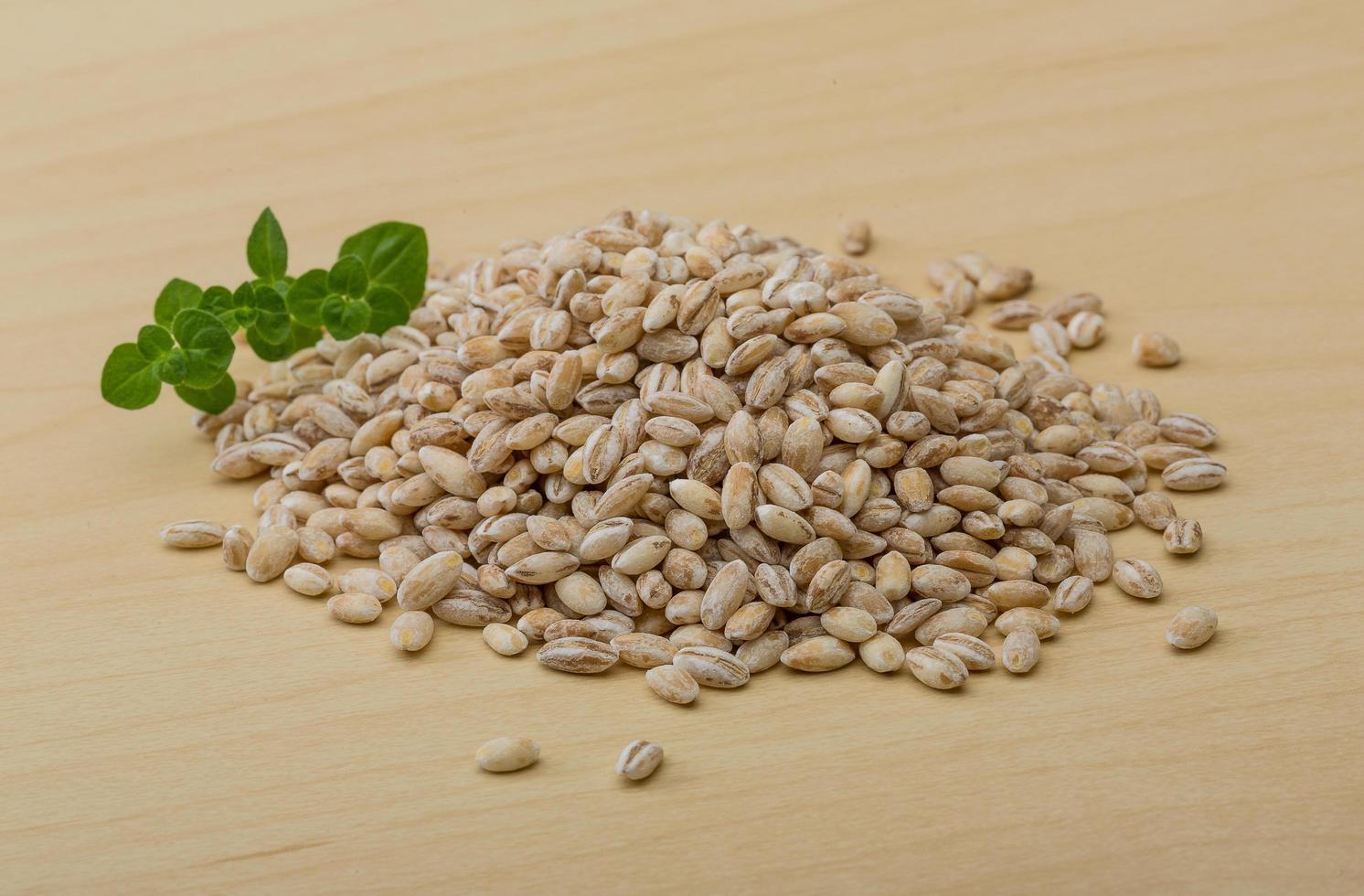
Yes, pearl millet is naturally gluten-free. It is safe for people with celiac disease or gluten sensitivity to consume as part of a gluten-free diet.
Quick Tips
1High in nutrients: Rich in protein, fiber, B-complex vitamins, and essential minerals like iron, zinc, and magnesium
2Gluten-free: Suitable for people with celiac disease or gluten sensitivity
3Low glycemic index: Helps regulate blood sugar levels, beneficial for diabetics
# In This Article
3 sectionsQuick navigation to each section of this article:
1 Benefits of Pearl Millet
High in nutrients: Rich in protein, fiber, B-complex vitamins, and essential minerals like iron, zinc, and magnesium
Jump2 Who should avoid Pearl Millet
People with celiac disease or gluten sensitivity: Although pearl millet is naturally gluten-free, there’s a risk of cross-contamination during processing.
Jump3 Related Gluten Free Products
Here are five gluten-free options similar to Pearl Millet, along with short descriptions:
JumpBenefits of Pearl Millet
| Benefits of Pearl Millet |
|---|
| High in nutrients: Rich in protein, fiber, B-complex vitamins, and essential minerals like iron, zinc, and magnesium |
| Gluten-free: Suitable for people with celiac disease or gluten sensitivity |
| Low glycemic index: Helps regulate blood sugar levels, beneficial for diabetics |
| Heart health: Contains high levels of magnesium, which may help reduce blood pressure |
| Weight management: High fiber content promotes feelings of fullness and aids in weight control |
| Antioxidant properties: Contains phenolic compounds that help combat oxidative stress |
| Digestive health: Fiber content supports healthy digestion and may prevent constipation |
| Bone health: Good source of phosphorus and magnesium, which are essential for strong bones |
| Energy boost: Complex carbohydrates provide sustained energy throughout the day |
| Anti-inflammatory: May help reduce inflammation in the body |
| Detoxification: Contains compounds that support the body’s natural detoxification processes |
| Skin health: Niacin content may contribute to healthy skin |
| Anemia prevention: High iron content helps prevent iron-deficiency anemia |
| Supports immune function: Contains zinc, which is crucial for a healthy immune system |
| Alkaline nature: May help balance the body’s pH levelsThese benefits make pearl millet a nutritious addition to a balanced diet. |
Who should avoid Pearl Millet
| Who should avoid Pearl Millet |
|---|
| People with celiac disease or gluten sensitivity: Although pearl millet is naturally gluten-free, there’s a risk of cross-contamination during processing. |
| Individuals with goiter or thyroid disorders: Pearl millet contains goitrogens, which can interfere with thyroid function if consumed in large amounts. |
| Those with a history of kidney stones: Pearl millet is high in oxalates, which may contribute to kidney stone formation in susceptible individuals. |
| People with digestive sensitivities: Some individuals may experience bloating or digestive discomfort due to pearl millet’s high fiber content. |
| Those with grain allergies: Although rare, some people may be allergic to pearl millet. |
| Individuals on a low-carb diet: Pearl millet is relatively high in carbohydrates, which may not align with certain dietary restrictions. |
| People with difficulty digesting phytic acid: Pearl millet contains phytic acid, which can interfere with mineral absorption in some individuals. |
| Those with millet allergy: While uncommon, some people may be specifically allergic to millet. |
| Individuals taking certain medications: Pearl millet may interact with some medications, so it’s best to consult a healthcare provider. |
| People with certain autoimmune conditions: In some cases, grains like pearl millet might exacerbate symptoms of certain autoimmune disorders.It’s always advisable to consult with a healthcare professional or registered dietitian before making significant changes to your diet, especially if you have any pre-existing health conditions. |
Related Gluten Free Products
Here are five gluten-free options similar to Pearl Millet, along with short descriptions:
| Related Gluten Free Products |
|---|
| Quinoa: A nutrient-dense seed that cooks like a grain, offering a complete protein profile and a slightly nutty flavor. It's versatile in both savory and sweet dishes. |
| Amaranth: A tiny, ancient grain with a peppery taste and high protein content. It can be cooked as a cereal, popped like popcorn, or ground into flour for baking. |
| Buckwheat: Despite its name, it's not related to wheat and is gluten-free. It has a robust, earthy flavor and is commonly used in pancakes, noodles, and as a rice alternative. |
| Sorghum: A cereal grain with a mild, slightly sweet flavor. It can be cooked whole, popped like popcorn, or milled into flour for baking. It's also used to make gluten-free beer. |
| Teff: The world's smallest grain, originating from Ethiopia. It has a nutty flavor and is rich in nutrients. It's often used to make injera (flatbread) but can also be used in porridge, baked goods, and as a thickener. |
Health Information
? Frequently Asked Questions
4 questions1 Which millet is not gluten-free?
2 Who should not eat pearl millet?
3 What is the difference between millet and pearl millet?
4 Can people with celiac disease eat millet?
Our Expert
Drs. Ilse van Asperen
Orthomolecular Therapist, Nutritional Coach & Professional Editor
Drs. Ilse van Asperen is a medical doctor specialising in orthomolecular therapy and nutritional coaching. With a background in public and clinical health research and management, she focuses on addressing the root causes of health issues through diet, gut health, and stress reduction. As a professional editor for Little Helpers, she reviews all gluten-free content to ensure accuracy, safety, and scientific credibility. Read more on Drs. Ilse van Asperen's own website
Our Sources
The information on this page is based on reputable health and nutrition organisations, ensuring accuracy and reliability for anyone following a gluten-free diet. For further details, see the sources below.