Share
TL;DR
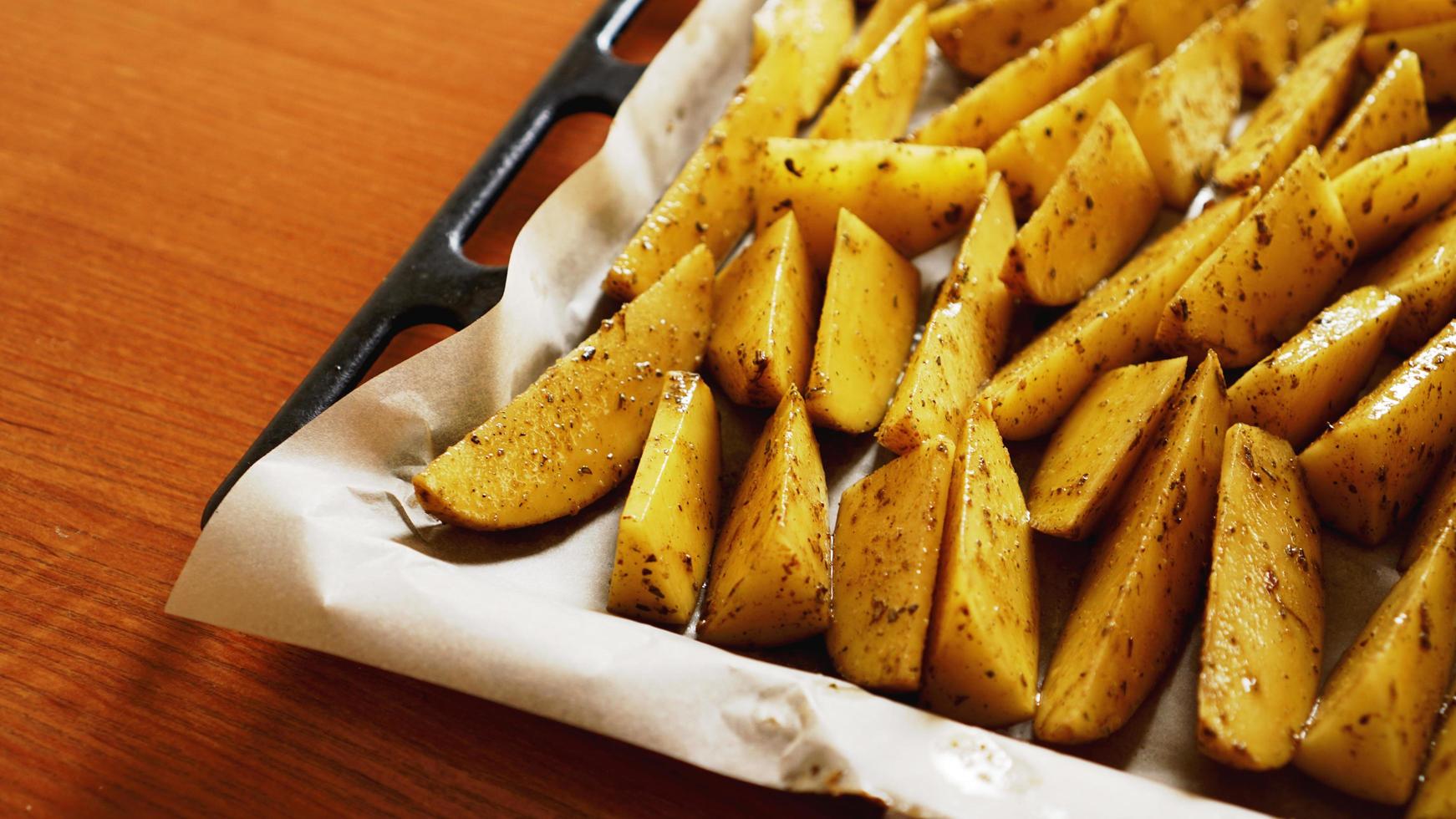
Yes, potatoes are naturally gluten-free. They do not contain any wheat, barley, rye, or other gluten-containing grains, making them a safe food choice for people with celiac disease or gluten sensitivity.
Quick Tips
1Good source of complex carbohydrates for energy
2High in fiber, especially when eaten with the skin
3Rich in vitamin C, an important antioxidant
# In This Article
3 sectionsQuick navigation to each section of this article:
1 Benefits of Potato
Good source of complex carbohydrates for energy
Jump2 Who should avoid Potato
People with diabetes or prediabetes: Potatoes have a high glycemic index and can cause rapid spikes in blood sugar levels.
Jump3 Related Gluten Free Products
Here are five similar gluten-free options like potato, along with short descriptions:
JumpBenefits of Potato
| Benefits of Potato |
|---|
| Good source of complex carbohydrates for energy |
| High in fiber, especially when eaten with the skin |
| Rich in vitamin C, an important antioxidant |
| Contains vitamin B6, which is essential for brain health and function |
| Provides potassium, which helps regulate blood pressure |
| Low in calories when prepared without added fats |
| Contains antioxidants like flavonoids and carotenoids |
| May help improve digestion due to their resistant starch content |
| Gluten-free, making them suitable for people with celiac disease or gluten sensitivity |
| Contains kukoamines, which may help lower blood pressure |
| Provides manganese, which is important for bone health and wound healing |
| Contains small amounts of high-quality protein |
| May help reduce inflammation due to their vitamin C and antioxidant content |
| Can contribute to feelings of fullness, potentially aiding in weight management |
| Versatile food that can be prepared in many healthy waysRemember that the nutritional benefits of potatoes can vary depending on how they are prepared and what they are served with. |
Who should avoid Potato
| Who should avoid Potato |
|---|
| People with diabetes or prediabetes: Potatoes have a high glycemic index and can cause rapid spikes in blood sugar levels. |
| Individuals following a low-carb or ketogenic diet: Potatoes are high in carbohydrates and may not fit within these dietary restrictions. |
| Those with potato allergies: Although rare, some people may be allergic to potatoes and should avoid them entirely. |
| People with autoimmune conditions like celiac disease or inflammatory bowel disease: Some may find that nightshade vegetables, including potatoes, exacerbate their symptoms. |
| Individuals with kidney problems: Potatoes are high in potassium, which can be problematic for those with impaired kidney function. |
| People prone to oxalate kidney stones: Potatoes contain oxalates, which can contribute to kidney stone formation in susceptible individuals. |
| Those following a low FODMAP diet: Some people with irritable bowel syndrome (IBS) may need to limit potato intake due to their fermentable carbohydrate content. |
| Individuals with a history of solanine sensitivity: Green potatoes or potato sprouts contain higher levels of solanine, which can be toxic in large amounts. |
| People trying to lose weight: While not inherently fattening, potatoes are calorie-dense and often prepared with high-fat additions, which may hinder weight loss efforts. |
| Those with specific health conditions or on certain medications: Always consult with a healthcare professional about dietary restrictions related to your individual health circumstances. |
Related Gluten Free Products
Here are five similar gluten-free options like potato, along with short descriptions:
| Related Gluten Free Products |
|---|
| Sweet Potato: A root vegetable with orange flesh, rich in vitamins A and C. It has a slightly sweet taste and can be prepared in various ways, similar to regular potatoes. |
| Cassava: Also known as yuca, this starchy root vegetable is popular in South American and African cuisines. It has a mild, slightly nutty flavor and can be used to make flour or prepared like potatoes. |
| Turnips: These root vegetables have a slightly peppery taste when raw but become milder when cooked. They can be mashed, roasted, or used in soups as a potato substitute. |
| Parsnips: These pale, carrot-like root vegetables have a sweet and nutty flavor. They can be roasted, mashed, or used in soups and stews as a potato alternative. |
| Celeriac: Also called celery root, this knobby vegetable has a mild celery-like flavor. It can be roasted, mashed, or used in gratins as a lower-carb alternative to potatoes. |
Health Information
? Frequently Asked Questions
4 questions1 Can I eat potatoes on a gluten-free diet?
2 What potatoes are not gluten-free?
3 Can I eat potato chips on a gluten-free diet?
4 Do potato fries have gluten?
Our Expert
Drs. Ilse van Asperen
Orthomolecular Therapist, Nutritional Coach & Professional Editor
Drs. Ilse van Asperen is a medical doctor specialising in orthomolecular therapy and nutritional coaching. With a background in public and clinical health research and management, she focuses on addressing the root causes of health issues through diet, gut health, and stress reduction. As a professional editor for Little Helpers, she reviews all gluten-free content to ensure accuracy, safety, and scientific credibility. Read more on Drs. Ilse van Asperen's own website
Our Sources
The information on this page is based on reputable health and nutrition organisations, ensuring accuracy and reliability for anyone following a gluten-free diet. For further details, see the sources below.