Is Potato Starch Gluten Free?

Is Potato Starch Gluten Free?

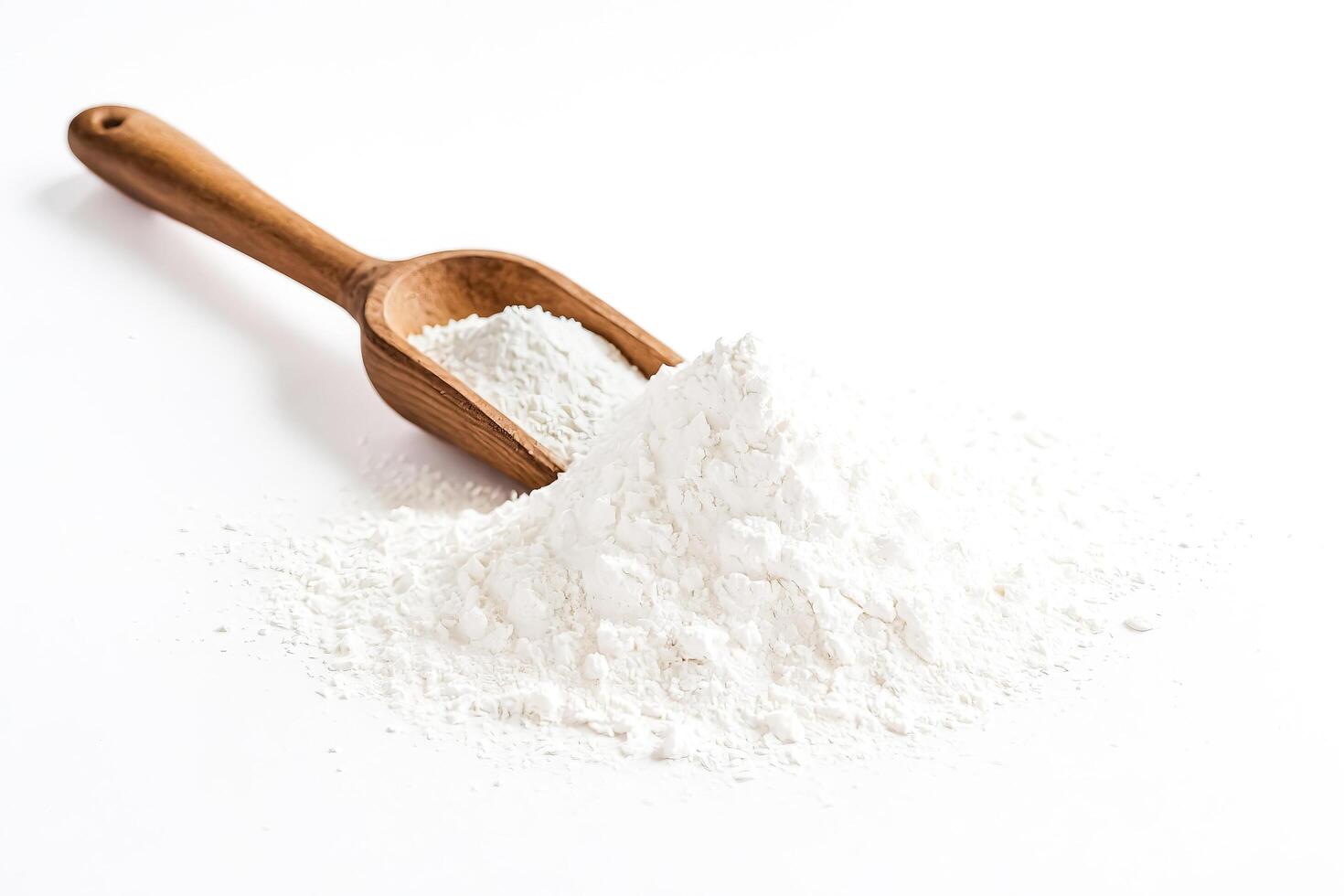
Yes, potato starch is naturally gluten-free. It is made purely from potatoes and does not contain any wheat, barley, rye, or other gluten-containing grains.

TL;DR

Yes, potato starch is naturally gluten-free. It is made purely from potatoes and does not contain any wheat, barley, rye, or other gluten-containing grains.

Quick Tips

1

Resistant starch: Potato starch is a good source of resistant starch, which acts as a prebiotic and feeds beneficial gut bacteria.

2

Improved digestion: The resistant starch in potato starch can help improve digestive health and regularity.

3

Blood sugar control: It may help regulate blood sugar levels by slowing down the digestion of carbohydrates.

# In This Article

3 sections

Quick navigation to each section of this article:

1 Benefits of Potato Starch

Resistant starch: Potato starch is a good source of resistant starch, which acts as a prebiotic and feeds beneficial gut bacteria.

Jump
2 Who should avoid Potato Starch

Those with potato allergies or sensitivities

Jump
3 Related Gluten Free Products

Here are five gluten-free options similar to potato starch, along with short descriptions:

Jump

Benefits of Potato Starch

Benefits of Potato Starch
Resistant starch: Potato starch is a good source of resistant starch, which acts as a prebiotic and feeds beneficial gut bacteria.
Improved digestion: The resistant starch in potato starch can help improve digestive health and regularity.
Blood sugar control: It may help regulate blood sugar levels by slowing down the digestion of carbohydrates.
Weight management: The resistant starch can increase feelings of fullness, potentially aiding in weight control.
Colon health: It may reduce the risk of colon cancer by promoting the growth of beneficial gut bacteria.
Reduced inflammation: Some studies suggest it may have anti-inflammatory effects in the body.
Enhanced mineral absorption: It may improve the absorption of minerals like calcium and magnesium.
Gluten-free alternative: Potato starch is naturally gluten-free, making it a good option for those with celiac disease or gluten sensitivity.
Lower calorie content: It has fewer calories compared to other starches, which can be beneficial for calorie-conscious individuals.
Improved insulin sensitivity: Regular consumption may help improve insulin sensitivity, which is beneficial for diabetes management.Remember that while potato starch has these potential benefits, it should be consumed as part of a balanced diet for optimal health.

Who should avoid Potato Starch

Who should avoid Potato Starch
Those with potato allergies or sensitivities
Individuals following a low-carb or ketogenic diet
People with diabetes or pre-diabetes who need to carefully monitor their carbohydrate intake
Those with digestive issues like SIBO (Small Intestinal Bacterial Overgrowth) or IBS (Irritable Bowel Syndrome) who may be sensitive to resistant starch
Individuals following a nightshade-free diet (potatoes are part of the nightshade family)
People with celiac disease or non-celiac gluten sensitivity should be cautious and ensure the potato starch is not cross-contaminated with gluten
Those trying to lose weight, as potato starch is calorie-dense
Individuals with a history of kidney stones, as potatoes are high in oxalates
People following an autoimmune protocol diet, which often eliminates nightshades
Those with certain rare genetic disorders that affect starch digestionRemember, it’s always best to consult with a healthcare professional or registered dietitian before making significant changes to your diet.
ENJOY YOUR FAVORITE FOODS FEARLESSLY!
Don’t let gluten hold you back. Take Anti-Gluten Pills before your meal and enjoy peace of mind.
SHOP ANTI-GLUTEN PILLS
Clinically proven · Up to 86% gluten reduction · Fast acting

Here are five gluten-free options similar to potato starch, along with short descriptions:

Related Gluten Free Products
Cornstarch:Made from corn kernels, cornstarch is a versatile thickener that works well in gravies, sauces, and pie fillings. It provides a smooth texture and clear appearance when cooked, making it ideal for glossy finishes.
Arrowroot Powder:Extracted from tropical plants, arrowroot powder is a fine, flavorless starch that thickens at a lower temperature than cornstarch. It creates a clear, shiny finish and is often used in delicate sauces and fruit pie fillings.
Rice Flour:Milled from ground rice, rice flour is a popular gluten-free alternative in baking and cooking. It can be used as a thickener in sauces and provides a light, crispy texture in fried foods and baked goods.
Sweet Rice Flour (Glutinous Rice Flour):Despite its name, this flour is gluten-free and made from short-grain rice. It has excellent binding properties, making it ideal for gluten-free baking, and can be used as a thickener in sauces and gravies.

Health Information

? Frequently Asked Questions

4 questions
1 Can celiacs eat potato starch?
Yes, celiacs can generally eat potato starch safely. Potato starch is naturally gluten-free and does not contain any wheat, barley, or rye proteins that trigger celiac reactions. It's a common ingredient in many gluten-free products and recipes. However, as with any food product, celiacs should always check labels to ensure there's no risk of cross-contamination during processing.
2 Is potato starch inflammatory?
Potato starch is generally not considered inflammatory for most people. In fact, it contains resistant starch, which may have anti-inflammatory properties. However, some individuals with specific sensitivities or autoimmune conditions might experience inflammation from potato starch. It's always best to consult with a healthcare professional if you have concerns about how specific foods affect your body.
3 What is a gluten-free substitute for potato starch?
A common gluten-free substitute for potato starch is cornstarch. Tapioca starch is another popular alternative that works well in many recipes. Arrowroot powder can also be used as a replacement in some dishes. For those avoiding grains entirely, cassava flour is a versatile option that can often be substituted for potato starch.
4 Are potato starch and cornstarch gluten free?
Yes, both potato starch and cornstarch are gluten-free. They are derived from potatoes and corn respectively, neither of which contain gluten. These starches are safe for people with celiac disease or gluten sensitivity to consume. However, it's always important to check product labels to ensure there hasn't been cross-contamination during processing.
LIVE GLUTEN-FREE WITHOUT THE FUSS!
Introducing Tolerase® G, clinically proven to reduce up to 86% of gluten in under 10 minutes. Experience the freedom to eat what you love.
SHOP ANTI-GLUTEN PILLS
150mg pure Tolerase® G · Reduces gluten by 86% · Under 10 minutes

Our Expert

Drs. Ilse van Asperen, Orthomolecular Therapist and Nutritional Coach

Drs. Ilse van Asperen

Orthomolecular Therapist, Nutritional Coach & Professional Editor

Drs. Ilse van Asperen is a medical doctor specialising in orthomolecular therapy and nutritional coaching. With a background in public and clinical health research and management, she focuses on addressing the root causes of health issues through diet, gut health, and stress reduction. As a professional editor for Little Helpers, she reviews all gluten-free content to ensure accuracy, safety, and scientific credibility. Read more on Drs. Ilse van Asperen's own website

Our Sources

The information on this page is based on reputable health and nutrition organisations, ensuring accuracy and reliability for anyone following a gluten-free diet. For further details, see the sources below.
Sources

Similar Articles

Back to blog