Share
TL;DR
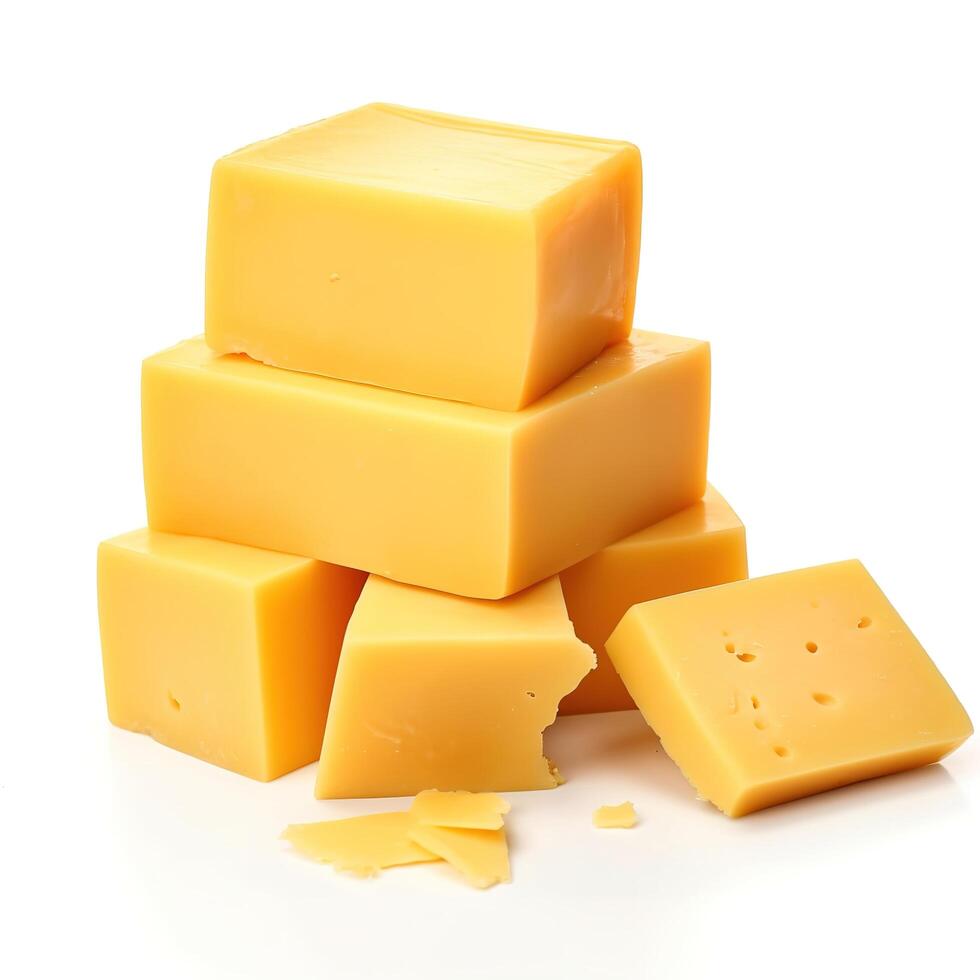
Yes, Provolone cheese is naturally gluten-free. Like most cheeses, it is made from milk, enzymes, and bacteria, and does not contain any gluten-containing ingredients.
Quick Tips
1Good source of protein: Helps build and repair tissues, supports muscle growth
2Rich in calcium: Promotes strong bones and teeth
3Contains vitamin A: Supports eye health and immune function
# In This Article
3 sectionsQuick navigation to each section of this article:
1 Benefits of Provolone Cheese
Good source of protein: Helps build and repair tissues, supports muscle growth
Jump2 Who should avoid Provolone Cheese
Individuals with severe dairy allergies
Jump3 Related Gluten Free Products
Here are five gluten-free options similar to Provolone Cheese, along with short descriptions:
JumpBenefits of Provolone Cheese
| Benefits of Provolone Cheese |
|---|
| Good source of protein: Helps build and repair tissues, supports muscle growth |
| Rich in calcium: Promotes strong bones and teeth |
| Contains vitamin A: Supports eye health and immune function |
| Provides phosphorus: Important for bone health and energy metabolism |
| Contains zinc: Supports immune function and wound healing |
| Source of vitamin B12: Essential for nerve function and red blood cell formation |
| Contains riboflavin (vitamin B2): Helps convert food to energy |
| Provides conjugated linoleic acid (CLA): May have anti-inflammatory properties |
| Low in lactose: Easier to digest for some lactose-intolerant individuals |
| Contains probiotics: May support gut health (in some varieties) |
| Moderate fat content: Provides satiety and helps absorb fat-soluble vitamins |
| Contains selenium: An antioxidant that supports thyroid function |
| Provides potassium: Important for heart and muscle functionRemember that while Provolone cheese offers these benefits, it should be consumed in moderation as part of a balanced diet due to its calorie and saturated fat content. |
Who should avoid Provolone Cheese
| Who should avoid Provolone Cheese |
|---|
| Individuals with severe dairy allergies |
| People with lactose intolerance (though aged Provolone contains very little lactose) |
| Those following a vegan or plant-based diet |
| Individuals on a low-fat diet (Provolone is relatively high in fat) |
| People with high cholesterol who are advised to limit saturated fat intake |
| Those on a low-sodium diet (Provolone can be high in sodium) |
| Individuals with milk protein allergies |
| People following a kosher diet that separates meat and dairy |
| Those with specific religious or cultural dietary restrictions that prohibit dairy products |
| Individuals who are prone to migraines (aged cheeses can sometimes trigger migraines in susceptible people)Remember that the severity of these restrictions can vary, and it’s always best to consult with a healthcare professional or registered dietitian for personalized advice. |
Related Gluten Free Products
Here are five gluten-free options similar to Provolone Cheese, along with short descriptions:
| Related Gluten Free Products |
|---|
| Gouda Cheese:A semi-hard to hard cheese originating from the Netherlands, made from cow's milk. It has a rich, buttery flavor and becomes more complex and intense as it ages. |
| Mozzarella Cheese:A fresh, mild Italian cheese traditionally made from water buffalo milk, but often made with cow's milk. It has a soft, elastic texture and is commonly used in pizza and salads. |
| Swiss Cheese:A firm cheese with a distinctive nutty, sweet flavor and characteristic holes. It's made from cow's milk and is excellent for melting, making it great for sandwiches and cooking. |
| Gruyère Cheese:A hard Swiss cheese made from whole cow's milk. It has a complex, nutty flavor that becomes more earthy and assertive with age. It's often used in fondues and gratins.All of these cheeses are naturally gluten-free, but always check labels to ensure no gluten-containing additives have been used in processing. |
Health Information
? Frequently Asked Questions
4 questions1 What cheeses are not gluten-free?
2 Is sargento provolone cheese gluten-free?
3 Can celiacs eat cheese?
4 Why is blue cheese not gluten-free?
Our Expert
Drs. Ilse van Asperen
Orthomolecular Therapist, Nutritional Coach & Professional Editor
Drs. Ilse van Asperen is a medical doctor specialising in orthomolecular therapy and nutritional coaching. With a background in public and clinical health research and management, she focuses on addressing the root causes of health issues through diet, gut health, and stress reduction. As a professional editor for Little Helpers, she reviews all gluten-free content to ensure accuracy, safety, and scientific credibility. Read more on Drs. Ilse van Asperen's own website
Our Sources
The information on this page is based on reputable health and nutrition organisations, ensuring accuracy and reliability for anyone following a gluten-free diet. For further details, see the sources below.