Share
TL;DR
Most traditional ramen noodles are not gluten-free, as they are typically made with wheat flour. However, there are now gluten-free ramen options available in many stores, made with alternative flours such as rice flour or millet flour.
Quick Tips
1Quick and easy source of carbohydrates for energy
2Can be filling, potentially helping with portion control
3Often fortified with some vitamins and minerals
# In This Article
3 sectionsQuick navigation to each section of this article:
1 Benefits of Ramen Noodle
Quick and easy source of carbohydrates for energy
Jump2 Who should avoid Ramen Noodle
People with high blood pressure: Due to the high sodium content in most instant ramen packets
Jump3 Gluten Free Alternatives
Here are five gluten-free alternatives to ramen noodles, along with short descriptions for each:
JumpBenefits of Ramen Noodle
| Benefits of Ramen Noodle |
|---|
| Quick and easy source of carbohydrates for energy |
| Can be filling, potentially helping with portion control |
| Often fortified with some vitamins and minerals |
| Can be a vehicle for adding healthier ingredients (vegetables, proteins) |
| Low in fat (before adding oil or fatty toppings) |
| Provides some dietary fiber, especially if whole grain varieties are used |
| Can be a comforting food, potentially benefiting mental well-being |
| Relatively inexpensive, making it accessible for those on a tight budgetIt’s important to note that these benefits are limited, and ramen noodles are generally high in sodium and low in essential nutrients. For optimal health, they should be consumed in moderation as part of a balanced diet that includes a variety of whole foods. |
Who should avoid Ramen Noodle
| Who should avoid Ramen Noodle |
|---|
| People with high blood pressure: Due to the high sodium content in most instant ramen packets |
| Individuals with celiac disease or gluten sensitivity: As most ramen noodles contain wheat flour |
| Those on a low-carb or ketogenic diet: Ramen noodles are high in carbohydrates |
| People with diabetes: Due to the high carbohydrate content and potential blood sugar spikes |
| Individuals with MSG sensitivity: Many instant ramen flavoring packets contain monosodium glutamate |
| Those watching their calorie intake: Ramen can be high in calories, especially when consumed with the full flavoring packet |
| People with digestive issues: The high sodium and low fiber content may exacerbate certain digestive problems |
| Individuals with chronic kidney disease: Due to the high sodium content |
| Those with a history of heart disease: Because of the high sodium and saturated fat content in some varieties |
| Pregnant women: Should limit consumption due to lack of essential nutrients and high sodium content |
| People with specific food allergies: Some ramen products may contain allergens like soy, eggs, or seafood |
Gluten Free Alternatives
Here are five gluten-free alternatives to ramen noodles, along with short descriptions for each:
| Gluten Free Alternatives |
|---|
| Shirataki noodles: Low-calorie, translucent noodles made from konjac yam. They have a slightly chewy texture and are virtually tasteless, absorbing the flavors of the dishes they're used in. |
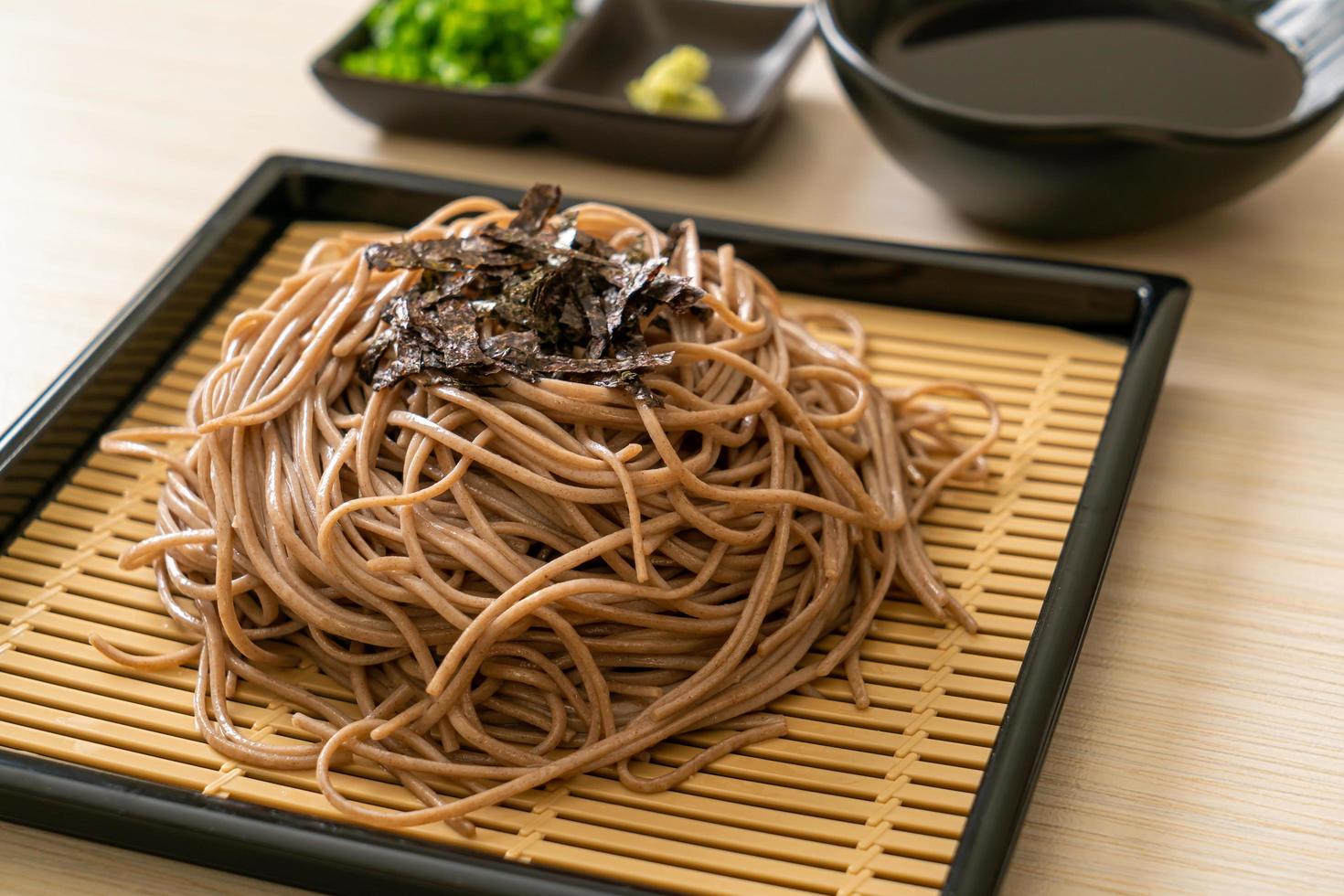
| Buckwheat noodles (100% buckwheat soba): Despite the name, buckwheat is gluten-free. These noodles have a nutty flavor and firmer texture than wheat-based noodles. Ensure they're made from 100% buckwheat flour. |
| Kelp noodles: Made from seaweed, these noodles are low in calories and rich in minerals. They have a crunchy texture when raw but soften when cooked or marinated. |
| Sweet potato glass noodles: Also known as Korean vermicelli, these noodles are made from sweet potato starch. They're chewy and translucent, commonly used in stir-fries and soups.Remember to always check product labels to ensure they're certified gluten-free, as cross-contamination can occur during manufacturing. |
Health Information
? Frequently Asked Questions
4 questions1 Are all ramen noodles gluten free?
2 Which noodles have no gluten?
3 What is a gluten free alternative to ramen noodles?
4 Can people with celiac disease eat ramen?
Our Expert
Drs. Ilse van Asperen
Orthomolecular Therapist, Nutritional Coach & Professional Editor
Drs. Ilse van Asperen is a medical doctor specialising in orthomolecular therapy and nutritional coaching. With a background in public and clinical health research and management, she focuses on addressing the root causes of health issues through diet, gut health, and stress reduction. As a professional editor for Little Helpers, she reviews all gluten-free content to ensure accuracy, safety, and scientific credibility. Read more on Drs. Ilse van Asperen's own website
Our Sources
The information on this page is based on reputable health and nutrition organisations, ensuring accuracy and reliability for anyone following a gluten-free diet. For further details, see the sources below.