Share
TL;DR
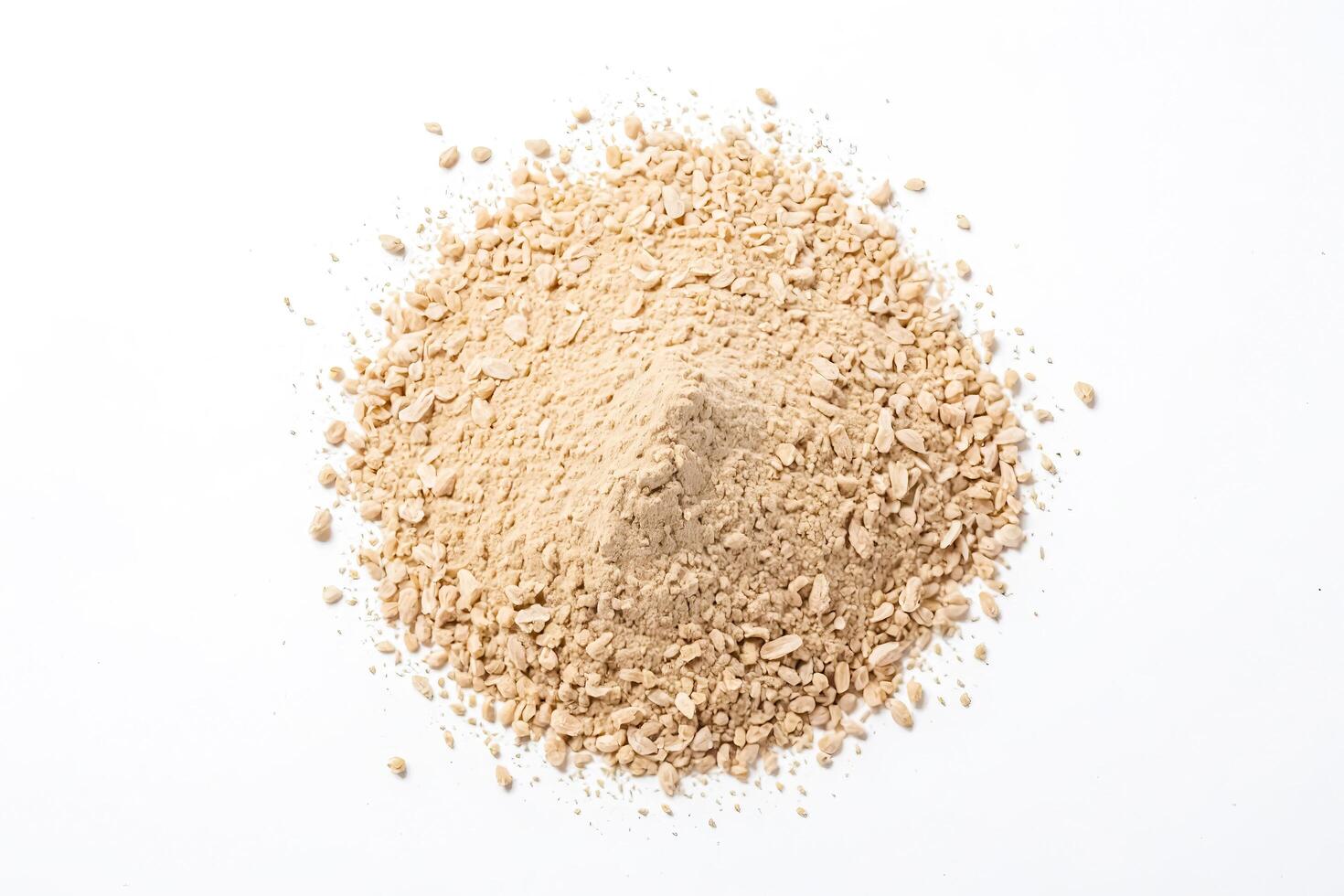
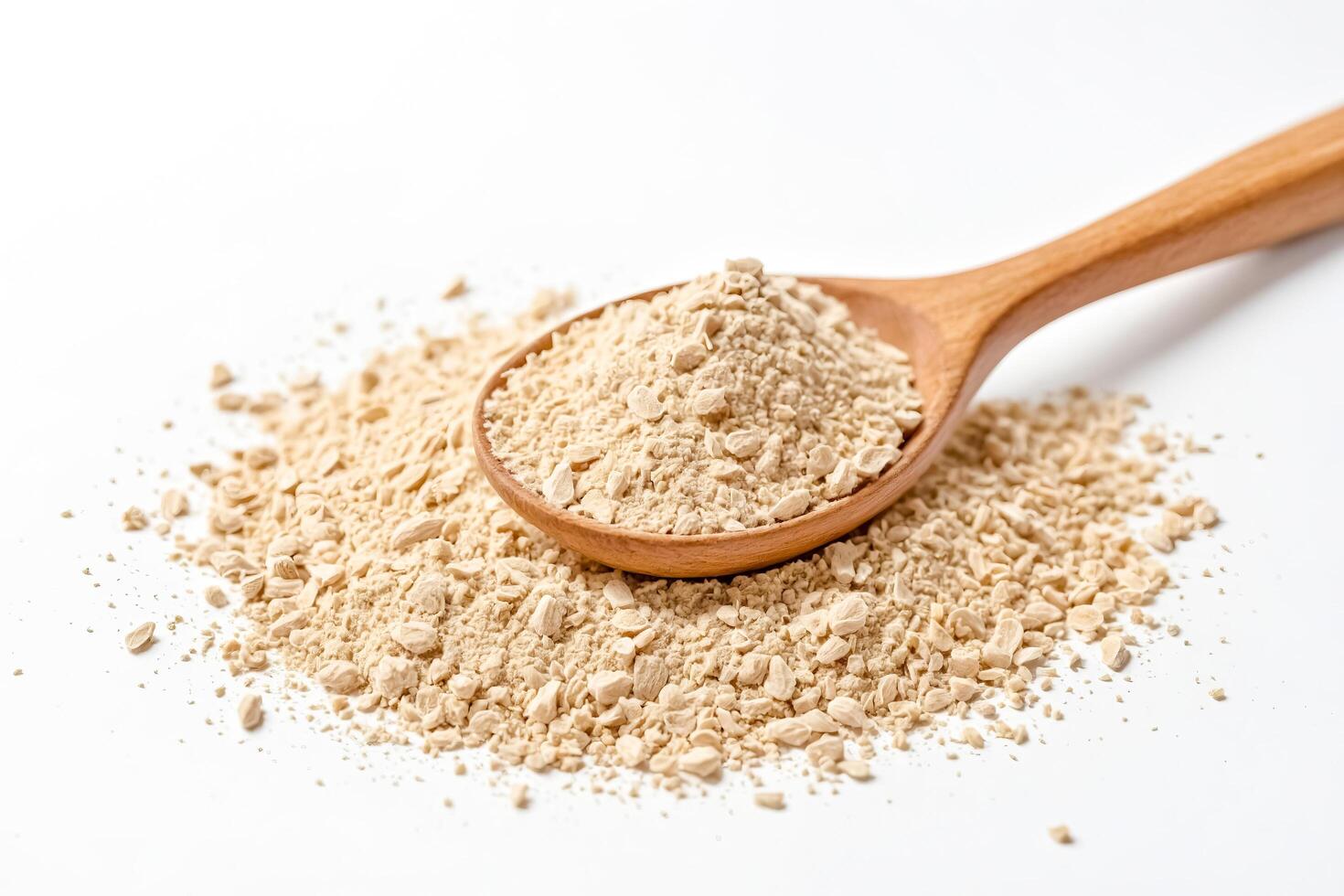
Rapid Rise Yeast is typically gluten-free, as yeast itself does not naturally contain gluten. However, it’s always important to check the specific product label or manufacturer’s website to confirm, as some brands may process their yeast in facilities that also handle gluten-containing products, potentially leading to cross-contamination.
Quick Tips
1Source of B vitamins: Rapid Rise Yeast is rich in various B vitamins, including B1 (thiamine), B2 (riboflavin), B3 (niacin), B6, and B9 (folic acid).
2Protein content: It’s a good source of protein, containing all essential amino acids.
3Low in fat and sodium: Rapid Rise Yeast is naturally low in fat and sodium, making it suitable for various diets.
# In This Article
3 sectionsQuick navigation to each section of this article:
1 Benefits of Rapid Rise Yeast
Source of B vitamins: Rapid Rise Yeast is rich in various B vitamins, including B1 (thiamine), B2 (riboflavin), B3 (niacin), B6, and B9 (folic acid).
Jump2 Who should avoid Rapid Rise Yeast
Individuals with yeast allergies or sensitivities
Jump3 Related Gluten Free Products
Here are five gluten-free options similar to Rapid Rise Yeast, along with short descriptions:
JumpBenefits of Rapid Rise Yeast
| Benefits of Rapid Rise Yeast |
|---|
| Source of B vitamins: Rapid Rise Yeast is rich in various B vitamins, including B1 (thiamine), B2 (riboflavin), B3 (niacin), B6, and B9 (folic acid). |
| Protein content: It’s a good source of protein, containing all essential amino acids. |
| Low in fat and sodium: Rapid Rise Yeast is naturally low in fat and sodium, making it suitable for various diets. |
| Provides dietary fiber: It contains beta-glucans, a type of soluble fiber that may help lower cholesterol levels. |
| Mineral content: Yeast provides minerals such as zinc, selenium, and chromium. |
| Potential probiotic effects: While not a probiotic itself, yeast may support gut health by promoting beneficial bacteria growth. |
| Antioxidant properties: Yeast contains glutathione, a powerful antioxidant that helps protect cells from damage. |
| May support immune function: The beta-glucans in yeast can potentially stimulate the immune system. |
| Potential blood sugar regulation: Some studies suggest yeast may help in regulating blood sugar levels. |
| Supports metabolism: The B vitamins in yeast play crucial roles in various metabolic processes.Note: While Rapid Rise Yeast offers these potential benefits, it’s primarily used for baking and not typically consumed on its own for health purposes. |
Who should avoid Rapid Rise Yeast
| Who should avoid Rapid Rise Yeast |
|---|
| Individuals with yeast allergies or sensitivities |
| People following a low-yeast or yeast-free diet for medical reasons |
| Those with Candida overgrowth or yeast infections, who may be advised to limit yeast intake |
| Individuals on certain antifungal medications, as yeast consumption might interfere with treatment |
| People with compromised immune systems, who may be more susceptible to yeast-related issues |
| Those following specific religious or cultural dietary restrictions that prohibit the use of yeast |
| Individuals with certain gastrointestinal conditions that may be exacerbated by yeast consumption |
| People adhering to a strict Paleo diet, which typically excludes yeast products |
| Those following a raw food diet, as Rapid Rise Yeast is typically used in baked goods |
| Individuals with gluten sensitivity or celiac disease, unless the yeast is certified gluten-freeIt’s important to note that for most people, Rapid Rise Yeast is safe to consume. |
Related Gluten Free Products
Here are five gluten-free options similar to Rapid Rise Yeast, along with short descriptions:
| Related Gluten Free Products |
|---|
| Active Dry Yeast: A traditional yeast that needs to be dissolved in warm water before use. It has a slightly slower rise time compared to instant yeast but is versatile for various baking applications. |
| Fresh Yeast (Cake Yeast): A highly perishable form of yeast sold in compressed blocks. It has a strong, fresh flavor and is preferred by many artisan bakers for its performance in slow-rise recipes. |
| Wild Yeast (Sourdough Starter): A natural leavening agent made from flour and water that captures wild yeasts and bacteria from the environment. It provides a distinct tangy flavor and longer shelf life to baked goods. |
| Baking Powder: While not a yeast, it's a gluten-free leavening agent that can be used in quick breads, muffins, and cakes. It produces carbon dioxide gas when mixed with liquid and heated, causing baked goods to rise. |
Health Information
? Frequently Asked Questions
4 questions1 Is rapid rise instant yeast gluten free?
2 What yeast is not gluten free?
3 Can celiacs eat yeast?
4 Is rapid rise yeast the same as instant yeast?
Our Expert
Drs. Ilse van Asperen
Orthomolecular Therapist, Nutritional Coach & Professional Editor
Drs. Ilse van Asperen is a medical doctor specialising in orthomolecular therapy and nutritional coaching. With a background in public and clinical health research and management, she focuses on addressing the root causes of health issues through diet, gut health, and stress reduction. As a professional editor for Little Helpers, she reviews all gluten-free content to ensure accuracy, safety, and scientific credibility. Read more on Drs. Ilse van Asperen's own website
Our Sources
The information on this page is based on reputable health and nutrition organisations, ensuring accuracy and reliability for anyone following a gluten-free diet. For further details, see the sources below.