Share
TL;DR
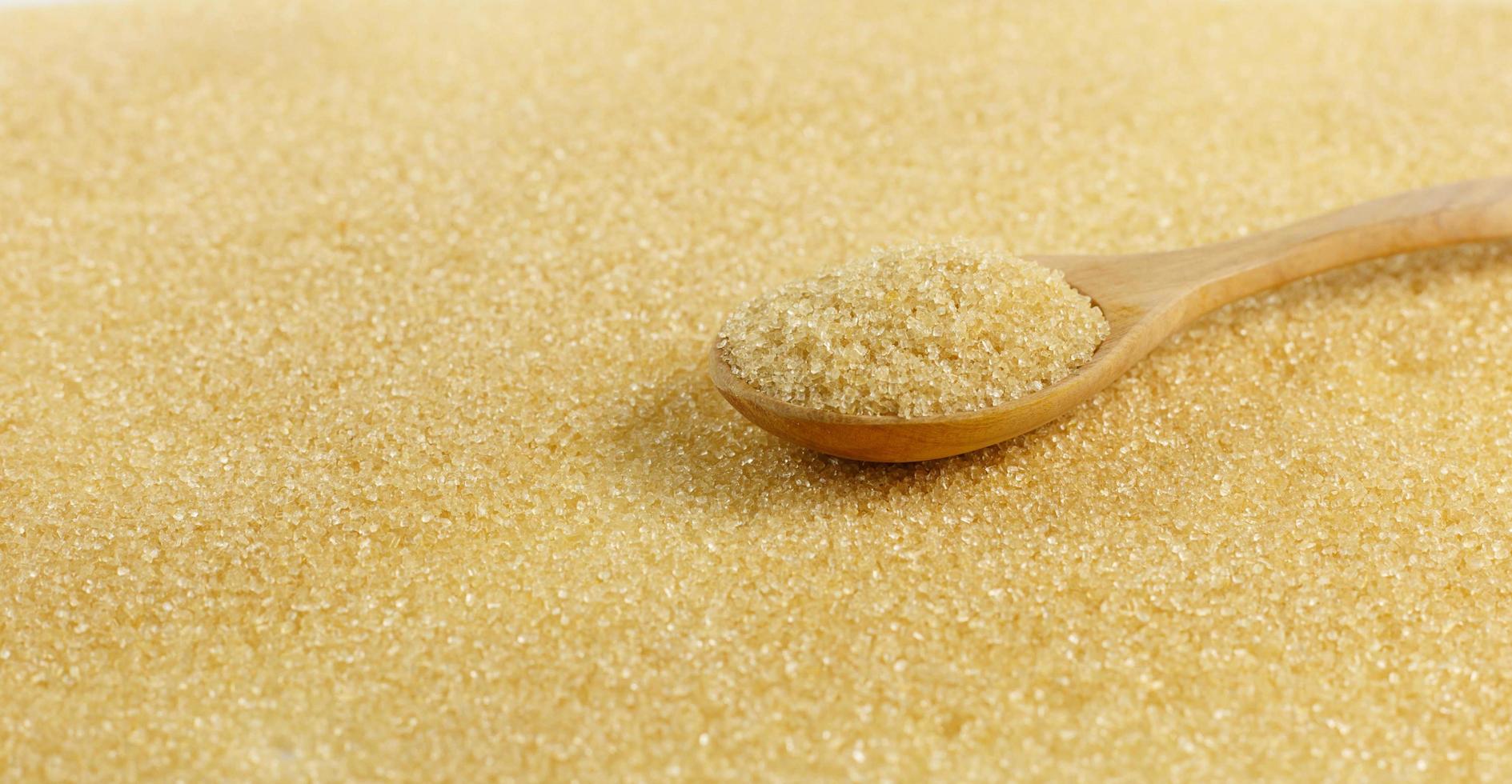
Raw sugar is typically gluten-free as it is derived from sugar cane or sugar beets, which do not contain gluten. However, it’s always best to check the specific product label or contact the manufacturer to ensure there has been no cross-contamination during processing or packaging, especially if you have celiac disease or severe gluten sensitivity.
Quick Tips
1Contains trace minerals: Raw sugar retains small amounts of minerals like calcium, iron, magnesium, and potassium, which are removed during the refining process for white sugar.
2Lower glycemic index: Raw sugar may have a slightly lower glycemic index compared to white sugar, potentially causing a less dramatic spike in blood sugar levels.
3Antioxidant properties: Raw sugar contains small amounts of antioxidants, particularly polyphenols, which may help protect cells from damage caused by free radicals.
# In This Article
3 sectionsQuick navigation to each section of this article:
1 Benefits of Raw Sugar
Contains trace minerals: Raw sugar retains small amounts of minerals like calcium, iron, magnesium, and potassium, which are removed during the refining process for white sugar.
Jump2 Who should avoid Raw Sugar
People with diabetes or pre-diabetes, as it can cause rapid spikes in blood sugar levels
Jump3 Related Gluten Free Products
Here are five similar gluten-free options to Raw Sugar, along with short descriptions for each product:
JumpBenefits of Raw Sugar
| Benefits of Raw Sugar |
|---|
| Contains trace minerals: Raw sugar retains small amounts of minerals like calcium, iron, magnesium, and potassium, which are removed during the refining process for white sugar. |
| Lower glycemic index: Raw sugar may have a slightly lower glycemic index compared to white sugar, potentially causing a less dramatic spike in blood sugar levels. |
| Antioxidant properties: Raw sugar contains small amounts of antioxidants, particularly polyphenols, which may help protect cells from damage caused by free radicals. |
| Less processed: Raw sugar undergoes less processing than white sugar, which means it retains more of its natural molasses content. |
| May aid digestion: The small amount of molasses in raw sugar can have a mild laxative effect, potentially aiding digestion. |
| Flavor enhancement: Raw sugar has a more complex flavor profile than white sugar, which may allow you to use less sugar while still achieving desired sweetness in recipes. |
| Potential prebiotic effects: The trace amounts of inulin in raw sugar may have a mild prebiotic effect, supporting gut health.It’s crucial to remember that while raw sugar may have some minor advantages over white sugar, it is still a form of added sugar and should be consumed sparingly as part of a balanced diet. |
Who should avoid Raw Sugar
| Who should avoid Raw Sugar |
|---|
| People with diabetes or pre-diabetes, as it can cause rapid spikes in blood sugar levels |
| Individuals trying to lose weight or maintain a healthy weight, due to its high calorie content |
| Those with dental concerns, as raw sugar can contribute to tooth decay |
| People with certain digestive disorders, such as irritable bowel syndrome (IBS), who may be sensitive to sugar |
| Individuals with a fructose intolerance or malabsorption |
| Those following a low-carb or ketogenic diet |
| People with candida overgrowth or yeast infections, as sugar can feed yeast growth |
| Individuals with certain types of cancer, as some cancer cells may use sugar for growth |
| Those with a history of insulin resistance or metabolic syndrome |
| People trying to reduce inflammation in their bodies, as sugar can contribute to inflammation |
| Individuals with non-alcoholic fatty liver disease (NAFLD) |
| Those at risk for heart disease, as high sugar intake is associated with increased cardiovascular riskRemember, while these groups should be particularly cautious, it’s generally advisable for everyone to limit their intake of added sugars, including raw sugar, for optimal health. |
Related Gluten Free Products
Here are five similar gluten-free options to Raw Sugar, along with short descriptions for each product:
| Related Gluten Free Products |
|---|
| Maple Sugar:Produced by evaporating maple syrup until it crystallizes, this sweetener has a distinct maple flavor. It contains trace minerals and antioxidants found in maple syrup. |
| Date Sugar:Made from ground dehydrated dates, this sweetener retains the fruit's nutrients, including fiber, potassium, and antioxidants. It has a rich, caramel-like flavor. |
| Monk Fruit Sweetener:A natural, zero-calorie sweetener derived from monk fruit. It's much sweeter than sugar and doesn't affect blood glucose levels, making it suitable for diabetics. |
| Stevia:A plant-based, calorie-free sweetener extracted from the leaves of the Stevia rebaudiana plant. It's significantly sweeter than sugar and doesn't impact blood sugar levels.These alternatives offer various flavor profiles and potential health benefits while remaining gluten-free, similar to Raw Sugar. |
Health Information
? Frequently Asked Questions
4 questions1 What sugar is not gluten-free?
2 Does raw sugar have gluten?
3 Is Raw Sugar brand gluten-free?
4 Is sugar in the raw turbinado sugar gluten-free?
Our Expert
Drs. Ilse van Asperen
Orthomolecular Therapist, Nutritional Coach & Professional Editor
Drs. Ilse van Asperen is a medical doctor specialising in orthomolecular therapy and nutritional coaching. With a background in public and clinical health research and management, she focuses on addressing the root causes of health issues through diet, gut health, and stress reduction. As a professional editor for Little Helpers, she reviews all gluten-free content to ensure accuracy, safety, and scientific credibility. Read more on Drs. Ilse van Asperen's own website
Our Sources
The information on this page is based on reputable health and nutrition organisations, ensuring accuracy and reliability for anyone following a gluten-free diet. For further details, see the sources below.