Share
TL;DR
Rice noodles are typically gluten-free because they are made from rice flour, which does not contain gluten. However, it’s always important to check the packaging or with the manufacturer to ensure no gluten-containing ingredients have been added during processing, especially if you have celiac disease or gluten sensitivity.
Quick Tips
1Low in calories: Rice noodles are relatively low in calories compared to wheat-based pasta, making them a good option for weight management.
2Gluten-free: They are naturally gluten-free, making them suitable for people with celiac disease or gluten sensitivity.
3Easy to digest: Rice noodles are easily digestible and gentle on the stomach, making them a good choice for people with digestive issues.
# In This Article
3 sectionsQuick navigation to each section of this article:
1 Benefits of Rice Noodle
Low in calories: Rice noodles are relatively low in calories compared to wheat-based pasta, making them a good option for weight management.
Jump2 Who should avoid Rice Noodle
People with celiac disease or non-celiac gluten sensitivity: Although rice noodles are naturally gluten-free, cross-contamination can occur during processing or preparation.
Jump3 Related Gluten Free Products
Here are five gluten-free options similar to rice noodles, along with short descriptions:
JumpBenefits of Rice Noodle
| Benefits of Rice Noodle |
|---|
| Low in calories: Rice noodles are relatively low in calories compared to wheat-based pasta, making them a good option for weight management. |
| Gluten-free: They are naturally gluten-free, making them suitable for people with celiac disease or gluten sensitivity. |
| Easy to digest: Rice noodles are easily digestible and gentle on the stomach, making them a good choice for people with digestive issues. |
| Low in fat: They are typically very low in fat, which can be beneficial for heart health when part of a balanced diet. |
| Source of carbohydrates: Rice noodles provide a good source of energy through complex carbohydrates. |
| Low in sodium: Unless added during cooking, rice noodles are naturally low in sodium, which can be beneficial for blood pressure management. |
| Manganese content: Rice noodles contain manganese, an essential mineral that supports bone health and wound healing. |
| Selenium content: They also provide selenium, an antioxidant that supports immune function and thyroid health. |
| Versatile for various diets: Their neutral flavor and versatility make them easy to incorporate into many different healthy recipes and dietary patterns. |
| May have a lower glycemic index: Depending on the type, some rice noodles may have a lower glycemic index compared to other refined grains, potentially helping with blood sugar control.Remember that the overall health impact depends on how the noodles are prepared and what they’re served with. |
Who should avoid Rice Noodle
| Who should avoid Rice Noodle |
|---|
| People with celiac disease or non-celiac gluten sensitivity: Although rice noodles are naturally gluten-free, cross-contamination can occur during processing or preparation. |
| Individuals on a low-carb or ketogenic diet: Rice noodles are high in carbohydrates. |
| People with diabetes: Rice noodles can cause rapid spikes in blood sugar levels. |
| Those with rice allergies: Although rare, some people may be allergic to rice. |
| Individuals on a low-calorie diet: Rice noodles are calorie-dense and may not fit into strict calorie-restricted meal plans. |
| People with certain digestive disorders: Some may find rice noodles difficult to digest. |
| Those with arsenic concerns: Rice can contain trace amounts of arsenic, so people worried about arsenic exposure might limit rice noodle consumption. |
| Individuals with specific nutrient deficiencies: Rice noodles are not particularly nutrient-dense, so those needing to increase certain nutrients might choose alternatives.Remember, it’s always best to consult with a healthcare professional or registered dietitian for personalized dietary advice. |
Related Gluten Free Products
Here are five gluten-free options similar to rice noodles, along with short descriptions:
| Related Gluten Free Products |
|---|
| Zucchini Noodles (Zoodles): Created by spiralizing fresh zucchini, these vegetable-based noodles are low in calories and carbohydrates. They can be eaten raw or lightly cooked and work well with various sauces and in salads. |
| Sweet Potato Noodles: Also known as glass noodles or cellophane noodles, these are made from sweet potato starch. They have a translucent appearance when cooked and a slightly chewy texture, making them ideal for stir-fries and soups. |
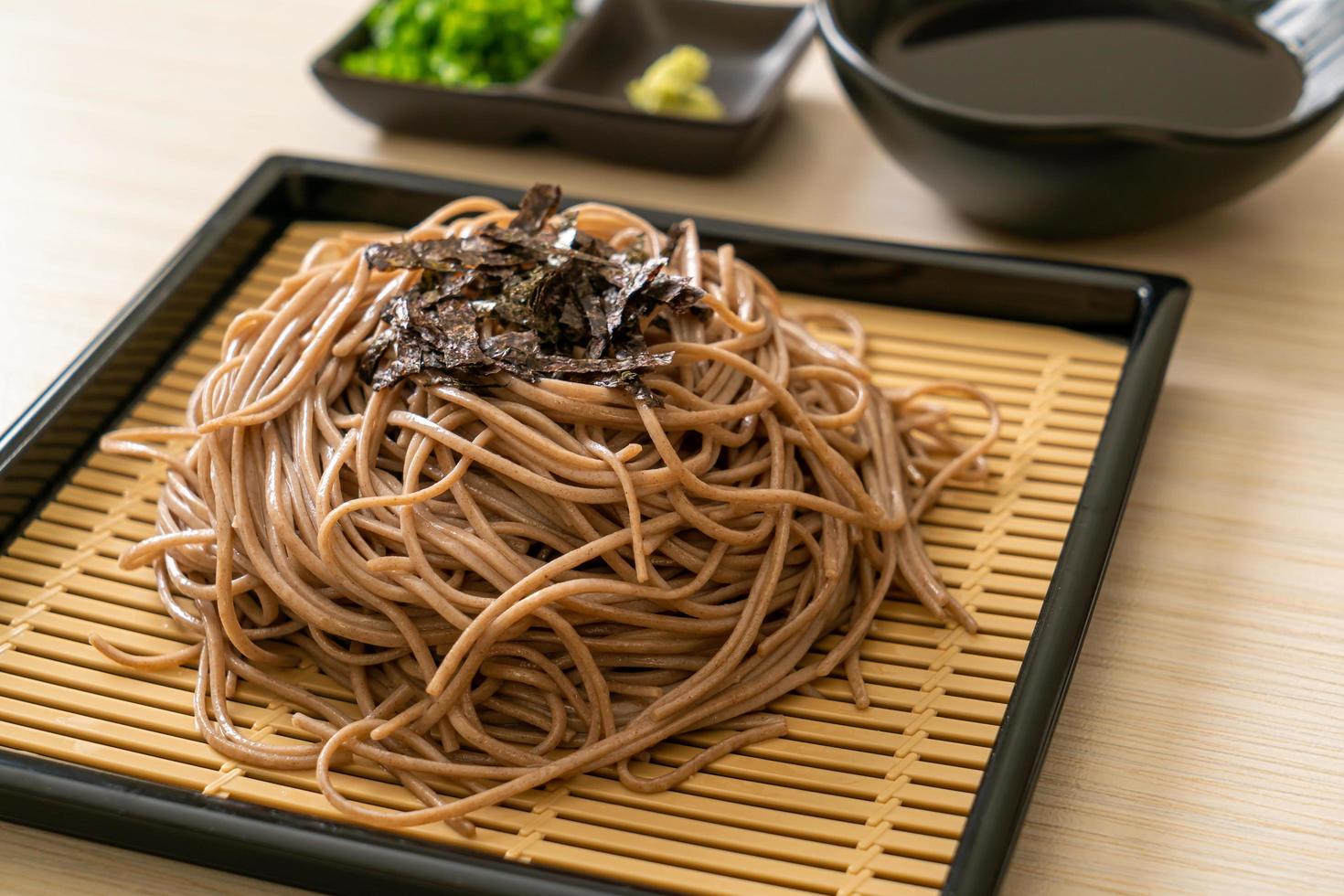
| Soba Noodles (100% Buckwheat): Traditional Japanese noodles made entirely from buckwheat flour (ensure they're 100% buckwheat, as some contain wheat). They have a nutty flavor and are often served cold in salads or hot in soups. |
| Kelp Noodles: Made from seaweed, these noodles are low in calories and rich in minerals. They have a neutral taste and crunchy texture when raw, becoming softer when cooked. They're great in salads, stir-fries, or as a pasta substitute. |
Health Information
? Frequently Asked Questions
4 questions1 Do rice noodles contain gluten?
2 What kind of noodles are gluten-free?
3 Are rice noodles healthier than pasta?
4 Do egg noodles have gluten?
Our Expert
Drs. Ilse van Asperen
Orthomolecular Therapist, Nutritional Coach & Professional Editor
Drs. Ilse van Asperen is a medical doctor specialising in orthomolecular therapy and nutritional coaching. With a background in public and clinical health research and management, she focuses on addressing the root causes of health issues through diet, gut health, and stress reduction. As a professional editor for Little Helpers, she reviews all gluten-free content to ensure accuracy, safety, and scientific credibility. Read more on Drs. Ilse van Asperen's own website
Our Sources
The information on this page is based on reputable health and nutrition organisations, ensuring accuracy and reliability for anyone following a gluten-free diet. For further details, see the sources below.