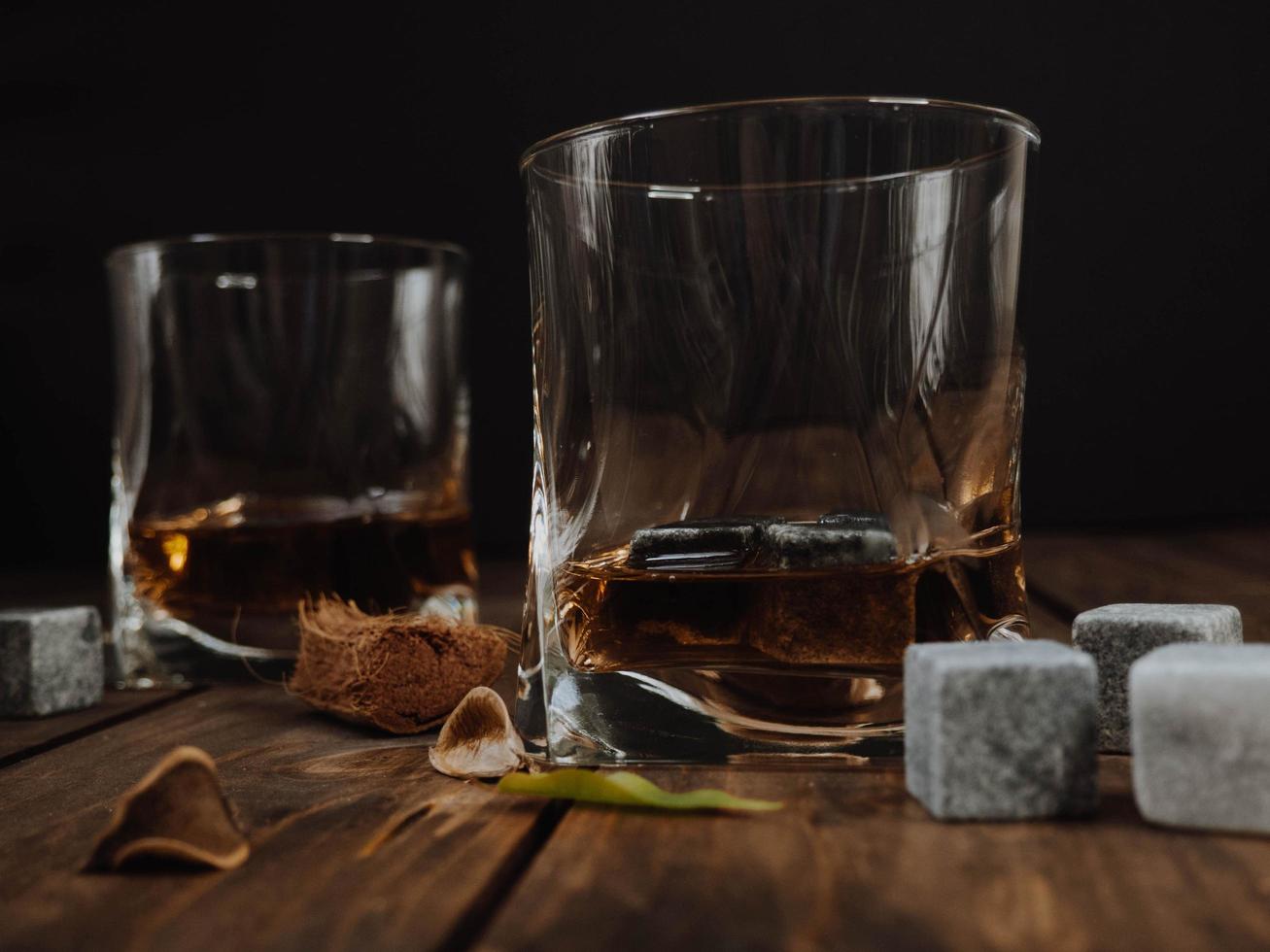
Is Scotch Gluten Free?

Is Scotch Gluten Free?

Most scotch whisky is considered gluten-free, as the distillation process removes gluten proteins from the final product. However, some people with severe gluten sensitivity may still react to trace amounts that could potentially remain, or to scotch that has added flavorings or colorings after distillation.

TL;DR

Most scotch whisky is considered gluten-free, as the distillation process removes gluten proteins from the final product. However, some people with severe gluten sensitivity may still react to trace amounts that could potentially remain, or to scotch that has added flavorings or colorings after distillation.

Quick Tips

1

Antioxidant properties: Scotch contains ellagic acid, a powerful antioxidant that may help fight free radicals in the body.

2

Potential heart health benefits: Moderate consumption may help increase “good” HDL cholesterol and reduce the risk of blood clots.

3

Possible reduction in dementia risk: Some studies suggest that moderate alcohol consumption might be associated with a lower risk of dementia.

# In This Article

3 sections

Quick navigation to each section of this article:

1 Benefits of Scotch

Antioxidant properties: Scotch contains ellagic acid, a powerful antioxidant that may help fight free radicals in the body.

Jump
2 Who should avoid Scotch

Pregnant women, due to the risks of alcohol exposure to the developing fetus

Jump
3 Related Gluten Free Products

Here are five gluten-free options similar to Scotch, along with brief descriptions:

Jump

Benefits of Scotch

Benefits of Scotch
Antioxidant properties: Scotch contains ellagic acid, a powerful antioxidant that may help fight free radicals in the body.
Potential heart health benefits: Moderate consumption may help increase “good” HDL cholesterol and reduce the risk of blood clots.
Possible reduction in dementia risk: Some studies suggest that moderate alcohol consumption might be associated with a lower risk of dementia.
Stress reduction: Small amounts of alcohol can have a relaxing effect, potentially helping to reduce stress levels.
Potential diabetes management: Some research indicates that moderate alcohol consumption might improve insulin sensitivity.
Possible weight management: Scotch is relatively low in calories compared to other alcoholic beverages.
Digestive aid: Scotch has traditionally been used as a digestif to help with digestion after meals.
Potential longevity: Some studies have linked moderate alcohol consumption to increased life expectancy.
Cognitive function: Moderate drinking has been associated with improved cognitive function in some older adults.
Social benefits: Enjoying Scotch in moderation can be part of social interactions, which are important for mental health.It’s crucial to note that these potential benefits are associated with moderate consumption only. Excessive alcohol intake can lead to numerous health problems and outweigh any potential benefits. Always consult with a healthcare professional for personalized advice.

Who should avoid Scotch

Who should avoid Scotch
Pregnant women, due to the risks of alcohol exposure to the developing fetus
Individuals with alcohol use disorders or those in recovery from alcoholism
People taking medications that interact negatively with alcohol
Those with liver disease or other conditions affected by alcohol consumption
Individuals with a history of pancreatitis
People with certain allergies or intolerances to ingredients in Scotch
Individuals under the legal drinking age (which varies by country)
Those who need to maintain alertness for work or other responsibilities
People with religious or personal beliefs that prohibit alcohol consumption
Individuals with a family history of alcoholism who may be at higher risk for developing alcohol use disorders
Those operating vehicles or machinery
People with certain mental health conditions that may be exacerbated by alcohol useRemember, it’s always best to consult with a healthcare professional for personalized advice regarding alcohol consumption.
ENJOY YOUR FAVORITE FOODS FEARLESSLY!
Don’t let gluten hold you back. Take Anti-Gluten Pills before your meal and enjoy peace of mind.
SHOP ANTI-GLUTEN PILLS
Clinically proven · Up to 86% gluten reduction · Fast acting

Here are five gluten-free options similar to Scotch, along with brief descriptions:

Related Gluten Free Products
Bourbon: An American whiskey made primarily from corn, aged in charred oak barrels. It has a sweeter flavor profile with notes of vanilla, caramel, and oak.
Irish Whiskey: Made in Ireland from malted and unmalted barley, it's typically triple-distilled for a smoother taste. Flavors can range from light and fruity to rich and spicy.
Japanese Whisky: Inspired by Scotch but with its own unique character, Japanese whisky is known for its refined, delicate flavors and exceptional balance.
Corn Whiskey: Made from at least 80% corn, this American whiskey has a distinct sweetness and can be aged or unaged. It often has a light body and subtle flavor.
Sorghum Whiskey: A newer entry in the gluten-free spirits market, sorghum whiskey is made from the sorghum grain. It offers a unique flavor profile that can include notes of caramel, vanilla, and spice.Remember, while these spirits are naturally gluten-free, always check the label to ensure no gluten-containing ingredients have been added during production.

Health Information

? Frequently Asked Questions

4 questions
1 Which Scotch whisky is gluten-free?
All pure, single-ingredient Scotch whiskies are considered gluten-free. The distillation process removes gluten proteins from the final product, even if gluten-containing grains like barley were used in production. However, flavored or blended Scotch whiskies may contain added ingredients that could introduce gluten. For those with celiac disease or severe gluten sensitivity, it's best to stick with unflavored single malt or single grain Scotch whiskies.
2 Is Glenfiddich scotch gluten-free?
Glenfiddich scotch whisky is generally considered gluten-free. The distillation process removes gluten proteins from the final product. However, some extremely sensitive individuals may still react to trace amounts. It's always best to consult the manufacturer or your doctor if you have severe gluten sensitivities.
3 What whiskeys are not gluten-free?
Most whiskeys made from gluten-containing grains like barley, rye, and wheat are not considered gluten-free. This includes popular types like Scotch whisky, bourbon, and rye whiskey. However, the distillation process is thought to remove most gluten proteins, so some celiac organizations consider distilled whiskeys to be safe. Those with severe gluten sensitivities may still want to avoid grain-based whiskeys and opt for alternatives made from gluten-free ingredients like corn or sorghum.
4 Can celiacs drink whisky?
Celiac individuals can generally drink whisky safely. This is because the distillation process removes gluten proteins from the final product. However, some celiacs may still react to certain whiskies, particularly those with added flavorings or those aged in barrels that previously held gluten-containing liquids. It's always best for celiacs to consult their doctor and exercise caution when trying new alcoholic beverages.
LIVE GLUTEN-FREE WITHOUT THE FUSS!
Introducing Tolerase® G, clinically proven to reduce up to 86% of gluten in under 10 minutes. Experience the freedom to eat what you love.
SHOP ANTI-GLUTEN PILLS
150mg pure Tolerase® G · Reduces gluten by 86% · Under 10 minutes

Our Expert

Drs. Ilse van Asperen, Orthomolecular Therapist and Nutritional Coach

Drs. Ilse van Asperen

Orthomolecular Therapist, Nutritional Coach & Professional Editor

Drs. Ilse van Asperen is a medical doctor specialising in orthomolecular therapy and nutritional coaching. With a background in public and clinical health research and management, she focuses on addressing the root causes of health issues through diet, gut health, and stress reduction. As a professional editor for Little Helpers, she reviews all gluten-free content to ensure accuracy, safety, and scientific credibility. Read more on Drs. Ilse van Asperen's own website

Our Sources

The information on this page is based on reputable health and nutrition organisations, ensuring accuracy and reliability for anyone following a gluten-free diet. For further details, see the sources below.
Sources

Similar Articles

Back to blog