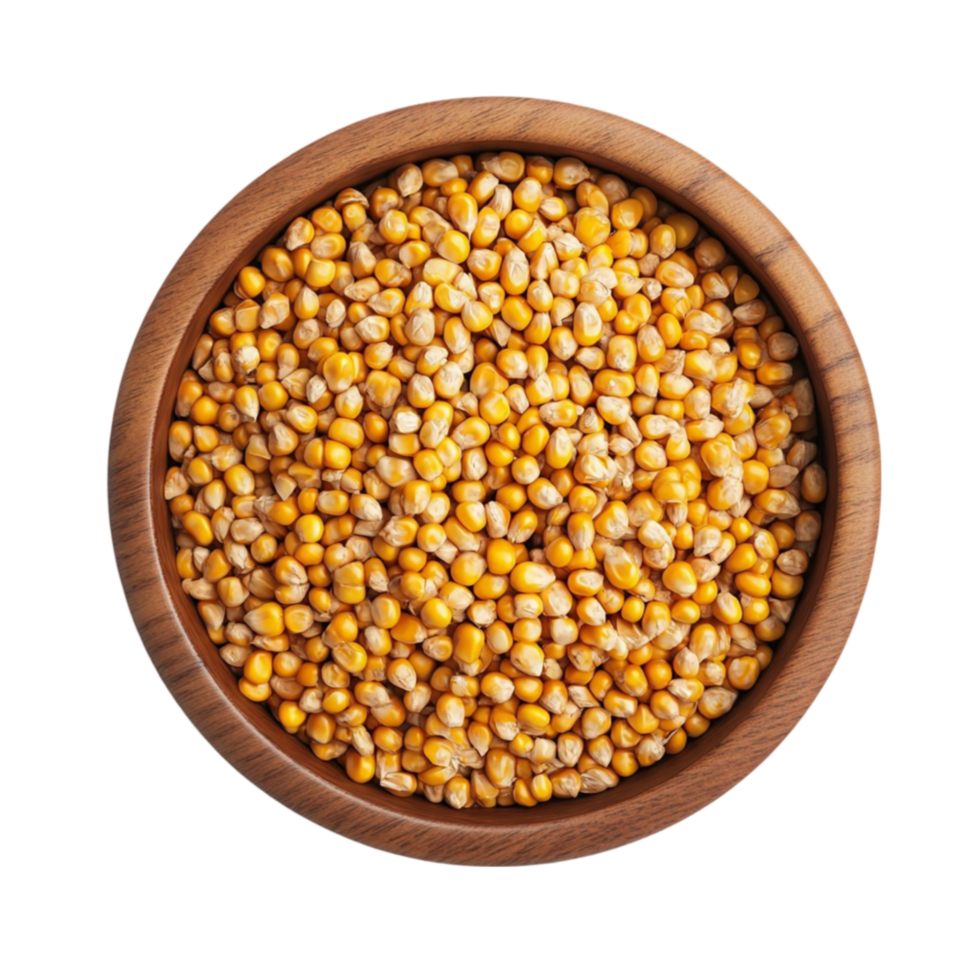
Is Sorghum Gluten Free?

Is Sorghum Gluten Free?

Yes, sorghum is naturally gluten-free. It is a safe grain option for people with celiac disease or gluten sensitivity, as it does not contain the proteins found in wheat, barley, and rye that trigger gluten-related reactions.

TL;DR

Yes, sorghum is naturally gluten-free. It is a safe grain option for people with celiac disease or gluten sensitivity, as it does not contain the proteins found in wheat, barley, and rye that trigger gluten-related reactions.

Quick Tips

1

Nutritious: It’s a good source of protein, fiber, B vitamins, and essential minerals like iron, zinc, and phosphorus.

2

Gluten-free: Sorghum is naturally gluten-free, making it suitable for those with celiac disease or gluten sensitivity.

3

Versatile: It can be used in various forms including whole grain, flour, syrup, and even as a biofuel.

# In This Article

3 sections

Quick navigation to each section of this article:

1 Benefits of Sorghum

Nutritious: It’s a good source of protein, fiber, B vitamins, and essential minerals like iron, zinc, and phosphorus.

Jump
2 Who should avoid Sorghum

People with celiac disease or gluten sensitivity: Although sorghum is naturally gluten-free, there’s a risk of cross-contamination during processing.

Jump
3 Related Gluten Free Products

Here are five gluten-free options similar to Sorghum:

Jump

Benefits of Sorghum

Benefits of Sorghum
Nutritious: It’s a good source of protein, fiber, B vitamins, and essential minerals like iron, zinc, and phosphorus.
Gluten-free: Sorghum is naturally gluten-free, making it suitable for those with celiac disease or gluten sensitivity.
Versatile: It can be used in various forms including whole grain, flour, syrup, and even as a biofuel.
Low glycemic index: Sorghum has a lower glycemic index compared to other grains, potentially beneficial for blood sugar management.
Antioxidant-rich: Contains various antioxidants, including phenolic compounds and tannins.
Non-GMO: Sorghum is not genetically modified, appealing to those seeking non-GMO foods.
Biofuel potential: Can be used to produce ethanol, a renewable fuel source.
Long shelf life: When stored properly, sorghum can last for extended periods.
Supports digestive health: High in fiber, sorghum promotes healthy digestion and may prevent constipation​
Boosts bone health: Sorghum contains magnesium and phosphorus, essential for maintaining strong bones
May enhance immunity: Sorghum is rich in zinc, a mineral crucial for immune function and wound healing​
Anti-cancer potential: The antioxidants in sorghum, particularly tannins, may help protect against certain types of cancer by reducing oxidative damage​(
Promotes skin health: The antioxidant glutathione found in sorghum can support skin health by protecting against oxidative stress

Who should avoid Sorghum

Who should avoid Sorghum
People with celiac disease or gluten sensitivity: Although sorghum is naturally gluten-free, there’s a risk of cross-contamination during processing.
Individuals with digestive disorders: Some people with irritable bowel syndrome (IBS) or other digestive issues may find sorghum difficult to digest.
Those with grain allergies: While rare, some individuals may be allergic to sorghum.
People on low-carb diets: Sorghum is high in carbohydrates and may not be suitable for strict low-carb diets.
Individuals with thyroid issues: Sorghum contains goitrogens, which can interfere with thyroid function if consumed in large amounts.
Those with kidney problems: Sorghum is high in phosphorus, which may be a concern for people with kidney disease.
Individuals taking certain medications: Sorghum may interact with some medications, so it’s best to consult a healthcare provider.
People with difficulty swallowing: Whole sorghum grains can be a choking hazard for some individuals.
Those with a history of oxalate kidney stones: Sorghum contains oxalates, which may contribute to kidney stone formation in susceptible individuals.Remember, it’s always best to consult with a healthcare professional or registered dietitian before making significant changes to your diet, especially if you have any health concerns.
ENJOY YOUR FAVORITE FOODS FEARLESSLY!
Don’t let gluten hold you back. Take Anti-Gluten Pills before your meal and enjoy peace of mind.
SHOP ANTI-GLUTEN PILLS
Clinically proven · Up to 86% gluten reduction · Fast acting

Here are five gluten-free options similar to Sorghum:

Related Gluten Free Products
Millet: A small, round grain with a slightly nutty flavor. It's high in protein and fiber, and can be used in porridges, salads, and as a rice substitute.
Quinoa: A protein-rich pseudo-grain known for its complete amino acid profile. It has a fluffy texture when cooked and can be used in various dishes, from salads to baked goods.
Teff: A tiny grain native to Ethiopia, high in protein and calcium. It has a mild, nutty flavor and can be used to make porridge, breads, and as a thickening agent.
Amaranth: A protein-packed ancient grain with a slightly peppery taste. It can be popped like popcorn, used in cereals, or ground into flour for baking.
Buckwheat: Despite its name, it's not related to wheat and is gluten-free. It has a strong, earthy flavor and can be used in noodles, pancakes, and as a rice alternative.

Health Information

? Frequently Asked Questions

2 questions
1 Is sorghum inflammatory?
Sorghum is generally considered to be anti-inflammatory rather than inflammatory. It contains various compounds, such as phenolic acids and flavonoids, that have been shown to have anti-inflammatory properties. Studies have found that consuming sorghum may help reduce inflammation markers in the body. However, as with any food, individual responses can vary, and more research is needed to fully understand sorghum's effects on inflammation in different populations.
2 Is sorghum difficult to digest?
Sorghum can be difficult to digest for some people. It contains certain compounds that may interfere with nutrient absorption and digestion. However, proper preparation methods like soaking, sprouting, or fermenting can improve its digestibility. For most people without specific sensitivities, moderate amounts of properly prepared sorghum should not cause significant digestive issues.
LIVE GLUTEN-FREE WITHOUT THE FUSS!
Introducing Tolerase® G, clinically proven to reduce up to 86% of gluten in under 10 minutes. Experience the freedom to eat what you love.
SHOP ANTI-GLUTEN PILLS
150mg pure Tolerase® G · Reduces gluten by 86% · Under 10 minutes

Our Expert

Drs. Ilse van Asperen, Orthomolecular Therapist and Nutritional Coach

Drs. Ilse van Asperen

Orthomolecular Therapist, Nutritional Coach & Professional Editor

Drs. Ilse van Asperen is a medical doctor specialising in orthomolecular therapy and nutritional coaching. With a background in public and clinical health research and management, she focuses on addressing the root causes of health issues through diet, gut health, and stress reduction. As a professional editor for Little Helpers, she reviews all gluten-free content to ensure accuracy, safety, and scientific credibility. Read more on Drs. Ilse van Asperen's own website

Our Sources

The information on this page is based on reputable health and nutrition organisations, ensuring accuracy and reliability for anyone following a gluten-free diet. For further details, see the sources below.
Sources

Similar Articles

Back to blog