Share
TL;DR
Sprouted wheat is not gluten-free, as it still contains the gluten proteins found in regular wheat. While sprouting may make some nutrients more available and potentially easier to digest, it does not eliminate the gluten content of wheat.
Quick Tips
1Higher nutrient content: Sprouting increases the availability of vitamins, minerals, and antioxidants
2Improved digestibility: Easier to digest than unsprouted wheat due to reduced antinutrients and increased enzyme activity
3Lower gluten content: May be better tolerated by some people with mild gluten sensitivities
# In This Article
3 sectionsQuick navigation to each section of this article:
1 Benefits of Sprouted Wheat
Higher nutrient content: Sprouting increases the availability of vitamins, minerals, and antioxidants
Jump2 Who should avoid Sprouted Wheat
People with celiac disease: Sprouted wheat still contains gluten, which can cause severe reactions in those with celiac disease.
Jump3 Gluten Free Alternatives
Here are five gluten-free alternatives to Sprouted Wheat, along with short descriptions:
JumpBenefits of Sprouted Wheat
| Benefits of Sprouted Wheat |
|---|
| Higher nutrient content: Sprouting increases the availability of vitamins, minerals, and antioxidants |
| Improved digestibility: Easier to digest than unsprouted wheat due to reduced antinutrients and increased enzyme activity |
| Lower gluten content: May be better tolerated by some people with mild gluten sensitivities |
| Increased protein quality: Sprouting can improve the amino acid profile of wheat |
| Better blood sugar control: Lower glycemic index compared to unsprouted wheat, potentially helping manage blood sugar levels |
| Higher fiber content: Sprouting can increase the amount of dietary fiber |
| Enhanced antioxidant activity: Sprouting increases the production of antioxidants like vitamin C and E |
| Improved absorption of minerals: Sprouting reduces phytic acid, which can inhibit mineral absorption |
| Potential prebiotic effects: May support gut health by promoting beneficial bacteria growth |
| Increased folate content: Sprouting can significantly increase folate levels, important for cell growth and development |
| Better preservation of nutrients during cooking: Sprouted wheat may retain more nutrients when cooked compared to unsprouted wheat |
| Potential anti-inflammatory properties: Some studies suggest sprouted grains may have anti-inflammatory effectsRemember that while sprouted wheat offers these potential benefits, it’s still important to consume it as part of a balanced diet. |
Who should avoid Sprouted Wheat
| Who should avoid Sprouted Wheat |
|---|
| People with celiac disease: Sprouted wheat still contains gluten, which can cause severe reactions in those with celiac disease. |
| Individuals with non-celiac gluten sensitivity: They may experience adverse reactions to the gluten in sprouted wheat. |
| Those with wheat allergies: Sprouted wheat can still trigger allergic reactions in people with wheat allergies. |
| People with compromised immune systems: Raw sprouts can sometimes harbor bacteria, posing a risk to those with weakened immune systems. |
| Pregnant women: Due to the potential risk of foodborne illness from raw sprouts, pregnant women are often advised to avoid them. |
| Individuals with digestive disorders: Some people with conditions like IBS or Crohn’s disease may find sprouted wheat difficult to digest. |
| Those on a low-carb or ketogenic diet: While lower in carbs than regular wheat, sprouted wheat still contains significant carbohydrates. |
| People with phytic acid sensitivities: Although sprouting reduces phytic acid, some individuals may still be sensitive to the remaining amounts. |
| Those taking blood-thinning medications: Sprouted grains are high in vitamin K, which can interfere with these medications. |
| Individuals with certain enzyme deficiencies: Some people lack the enzymes needed to properly digest the proteins in wheat, sprouted or not.Remember, it’s always best to consult with a healthcare professional or registered dietitian before making significant changes to your diet, especially if you have health concerns. |
Gluten Free Alternatives
Here are five gluten-free alternatives to Sprouted Wheat, along with short descriptions:
| Gluten Free Alternatives |
|---|
| Sprouted Quinoa- A nutrient-dense, protein-rich seed that offers a similar nutty flavor and chewy texture to sprouted wheat. It's high in fiber and contains all nine essential amino acids. |
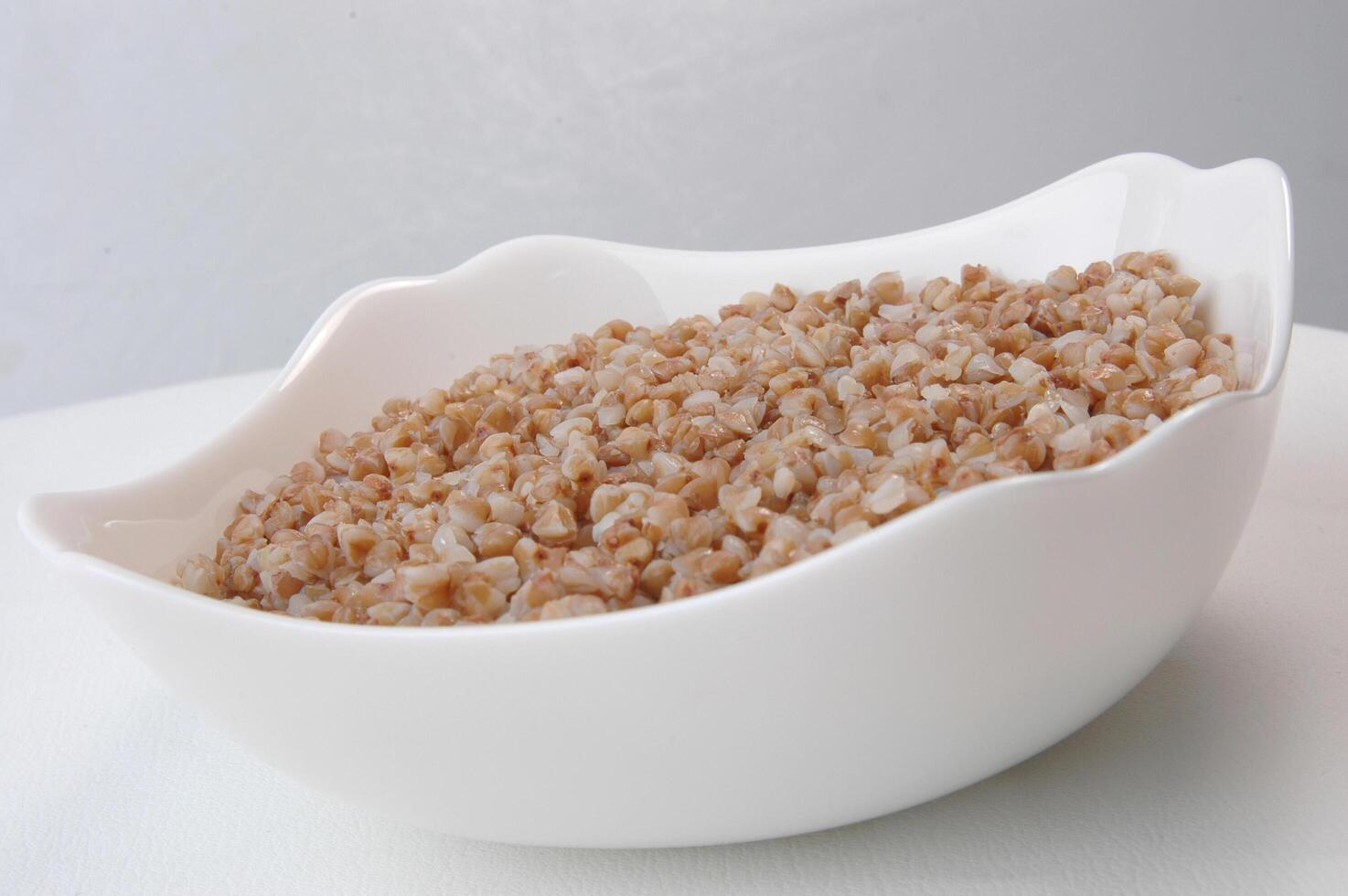
| Sprouted Buckwheat- Despite its name, buckwheat is not related to wheat and is gluten-free. When sprouted, it provides a crunchy texture and earthy flavor, rich in antioxidants and minerals. |
| Sprouted Millet- A small, gluten-free grain that becomes slightly sweet when sprouted. It's easily digestible and a good source of B vitamins, iron, and magnesium. |
| Sprouted Amaranth- A tiny, protein-packed seed with a slightly peppery flavor. When sprouted, it becomes more digestible and its nutrient availability increases, particularly for calcium and iron. |
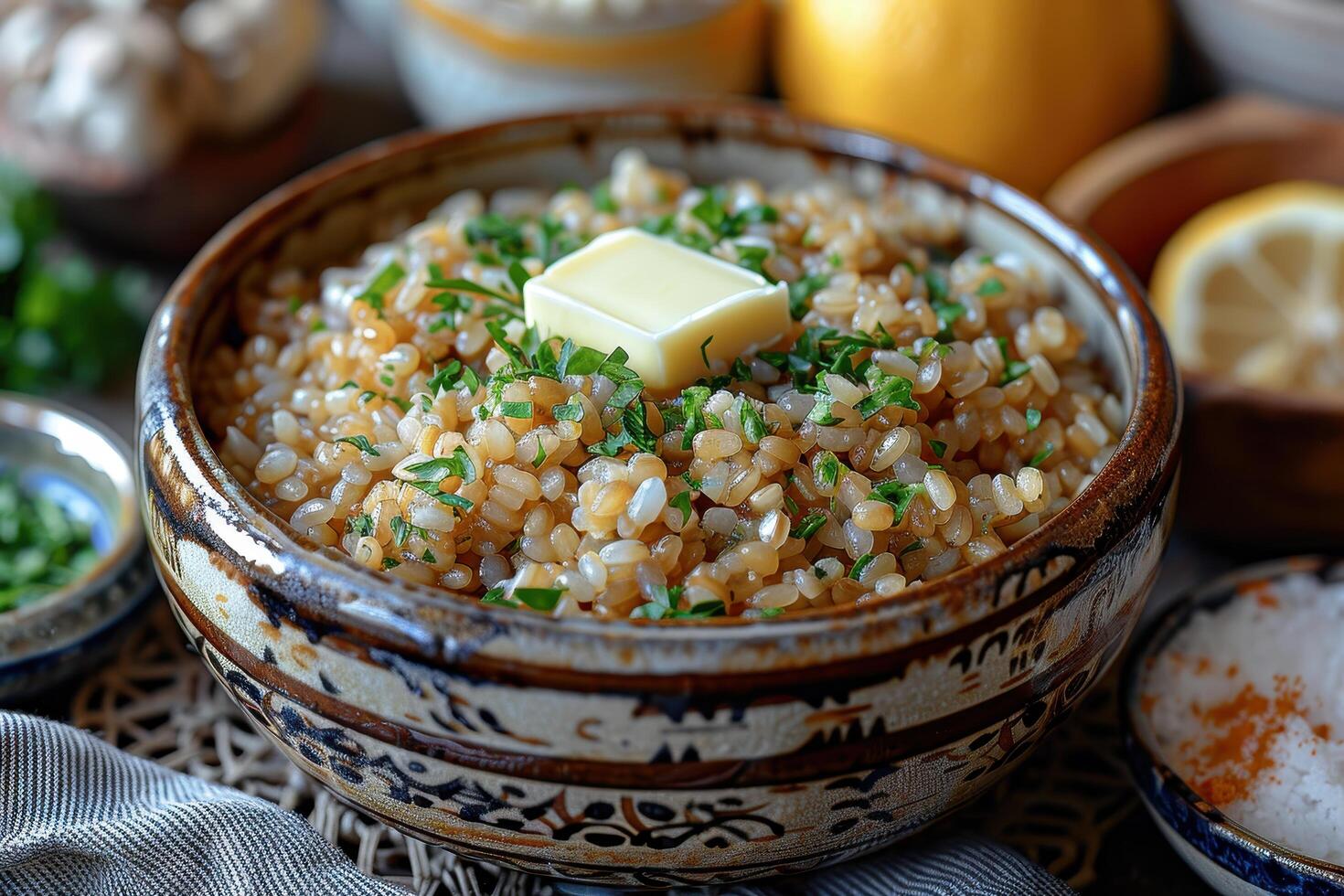
| Sprouted Brown Rice- A whole grain alternative that, when sprouted, becomes softer and slightly sweeter. Sprouting increases its amino acid and B vitamin content while reducing phytic acid, making nutrients more bioavailable. |
Health Information
? Frequently Asked Questions
4 questions1 Why is Ezekiel bread not gluten-free?
2 What bread has the lowest amount of gluten?
3 Is Ezekiel bread inflammatory?
4 What is gluten-free sprouted bread?
Our Expert
Drs. Ilse van Asperen
Orthomolecular Therapist, Nutritional Coach & Professional Editor
Drs. Ilse van Asperen is a medical doctor specialising in orthomolecular therapy and nutritional coaching. With a background in public and clinical health research and management, she focuses on addressing the root causes of health issues through diet, gut health, and stress reduction. As a professional editor for Little Helpers, she reviews all gluten-free content to ensure accuracy, safety, and scientific credibility. Read more on Drs. Ilse van Asperen's own website
Our Sources
The information on this page is based on reputable health and nutrition organisations, ensuring accuracy and reliability for anyone following a gluten-free diet. For further details, see the sources below.